
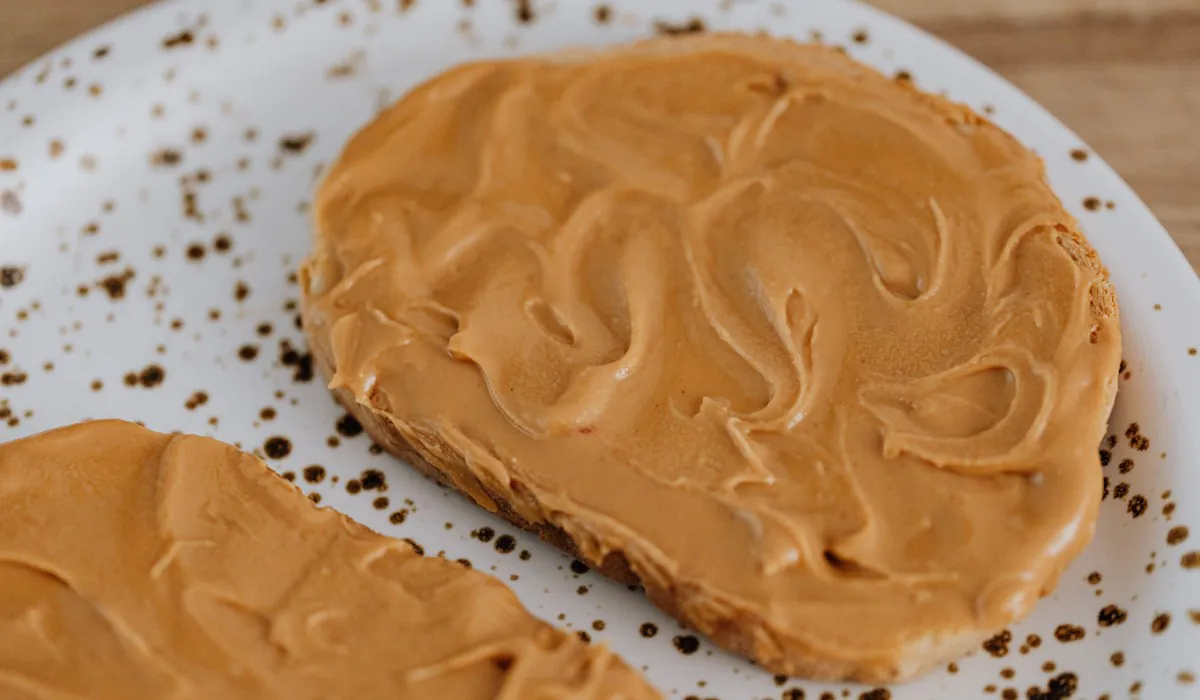
Giving babies peanut foods earlier in life may help prevent peanut allergy. Researchers studying young children in the United States found that the rate of peanut allergy fell by 43% after doctors changed their advice about when parents should introduce peanuts.
For years, parents were encouraged to keep peanuts away from babies, particularly those considered at greater risk of an allergic reaction. Medical research eventually showed that introducing peanuts early could actually help protect children.
A study published in the medical journal Pediatrics found signs that the change in advice is now making a difference. The researchers reported fewer cases of peanut allergy among children under four, although they cautioned that the decline cannot be attributed entirely to the new recommendations.
Peanut Allergy Fell 43% Among Young Children in the Study

Researchers at the Children’s Hospital of Philadelphia examined medical records held by pediatric practices across several U.S. states. They compared children treated before doctors began encouraging earlier peanut introduction with children seen after the recommendations changed.
The study published in Pediatrics included three groups, each containing tens of thousands of children.
| Period | Children Studied | Peanut Allergy Rate |
|---|---|---|
| 2012 to 2014 | 38,594 | 0.79% |
| 2015 to 2017 | 46,680 | 0.53% |
| 2017 to 2019 | 39,594 | 0.45% |
The figures represent diagnoses recorded during a one-year observation period for each group. Between the first and last groups, the rate fell by 43%.
To put the numbers into perspective, about eight children per 1,000 had a recorded peanut allergy in the earliest group. In the final group, the figure was closer to four or five per 1,000.
Researchers also observed a decline in food allergy overall, including reactions involving other foods. The rate of children diagnosed with at least one food allergy fell from 1.46% to 0.93%.
The findings offer evidence that earlier peanut introduction may be helping children outside controlled medical trials. Researchers did not, however, record exactly when every child first ate peanuts.
Doctors Once Recommended Avoiding Peanuts, So What Changed?
The change began with a British clinical trial called Learning Early About Peanut Allergy, better known as LEAP.
The trial involved 640 babies considered at higher risk of peanut allergy because they had severe eczema, an egg allergy or both. Researchers divided them into two groups. One regularly ate suitable peanut foods during early childhood, and the other avoided peanuts.
By age five, peanut allergy had developed in 17.2% of children who avoided peanuts, compared with just 3.2% of those who ate them.
That represented an 81% lower risk of peanut allergy in the early introduction group. The original LEAP findings helped overturn years of medical advice.
Scientists believe that eating peanut proteins early gives the developing immune system an opportunity to learn to tolerate them. Delaying peanut introduction does not provide the same protection.
American medical organizations began recommending earlier introduction in 2015. More detailed federal recommendations followed in 2017.
Children Who Ate Peanuts Early Were Still Protected Years Later
Researchers continued following children involved in the LEAP trial to see if the protection lasted.
When the participants reached adolescence, peanut allergy affected 4.4% of those who had eaten peanuts during infancy. Among children who had avoided peanuts early in life, the figure was 15.4%.
The difference represented a 71% reduction in risk, according to the National Institutes of Health.
Some participants had stopped eating peanuts regularly after early childhood, yet the protection remained. The finding suggests that introducing peanut foods during infancy can influence allergy risk for many years.
When Should Babies Start Eating Peanut Foods?
The American College of Allergy, Asthma and Immunology now advises introducing suitable peanut foods around four to six months of age, once a baby is developmentally ready for solid food.
In its updated advice for parents, the organization explains that early introduction benefits babies with different levels of allergy risk.
Babies with severe eczema or an egg allergy need special consideration. Their pediatrician may recommend an allergy assessment before the first peanut feeding. Federal peanut allergy prevention guide explain when testing or supervised introduction is appropriate.
The type of peanut food is also important. Whole peanuts and thick spoonfuls of peanut butter are choking hazards for babies.
Parents can instead use smooth peanut butter diluted with water, breast milk or formula, or peanut powder mixed into a suitable puree. The CDC guidance on choking hazards explains which food textures are unsafe for infants.
Peanut candy is not a suitable alternative. Products such as peanut butter cups contain added sugar and are not prepared for infant feeding.
Introducing peanuts once is also different from keeping them in a child’s diet. After a successful introduction, allergists advise continuing to offer suitable peanut foods regularly.
Does the Decline Mean Peanut Allergy Is Becoming Less Common Across America?
The 43% figure is encouraging, but it does not establish an equivalent decline among all American children.
The researchers relied on diagnoses recorded by participating pediatric practices. Children whose peanut allergy was never recorded in those medical systems would not appear in the figures.
There is another limitation. The researchers did not know how many parents followed the new feeding advice. Other changes in medical care and diagnosis may have influenced the results.
Still, the decline follows the pattern seen in earlier controlled trials. Both bodies of research support introducing suitable peanut foods early rather than delaying them without a medical reason.
Early Introduction Does Not Treat an Existing Peanut Allergy
Parents should not confuse preventing peanut allergy with treating a child who already has it.
A confirmed peanut allergy requires medical management. Even small amounts of peanut can trigger a serious reaction, and children with the condition need to avoid exposure unless an allergy specialist directs otherwise.
Food labels remain important for families managing an established allergy. Packaging errors can also create risks. A recent candy recall involving undeclared milk showed how a missing allergen warning can put consumers at risk.
For parents introducing solid foods, the research provides a clear reason to discuss peanuts with their pediatrician early. Suitable peanut foods introduced at the appropriate age may help prevent peanut allergy before it develops, potentially sparing children years of food restrictions and concern about accidental exposure.