
If you wince at the sight of a needle, avoid tattoos like the plague, or feel like a paper cut hurts way more than it should, you’re definitely not alone. But here’s the twist: that sensitivity might not just be in your head, or the result of how you were raised.
It could actually be buried in your DNA, with roots stretching back tens of thousands of years.
A new study suggests that some individuals may be more sensitive to certain types of pain due to genes inherited from Neanderthals.
Yep, you read that right.
A Prehistoric Legacy in Your Nervous System
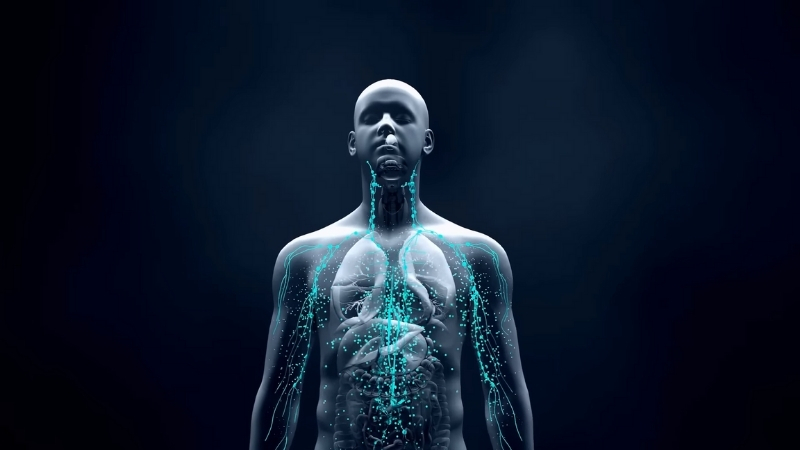
Researchers in Europe have found that specific genetic variants passed down from our long-extinct cousins, the Neanderthals, are linked to a heightened sensitivity to sharp, mechanical pain, think pokes, jabs, and pricks rather than pressure or heat.
Their work, published in Communications Biology, adds another surprising item to the growing list of ways our ancient ancestry still shapes our lives today.
“We’ve been discovering more and more about what Neanderthals left behind in our DNA,” said Dr. Kaustubh Adhikari, a geneticist at University College London and co-author of the study. “And it turns out, part of what they passed on may affect how we feel pain.”
Meet the Gene That Cranks Up the Volume on Pain
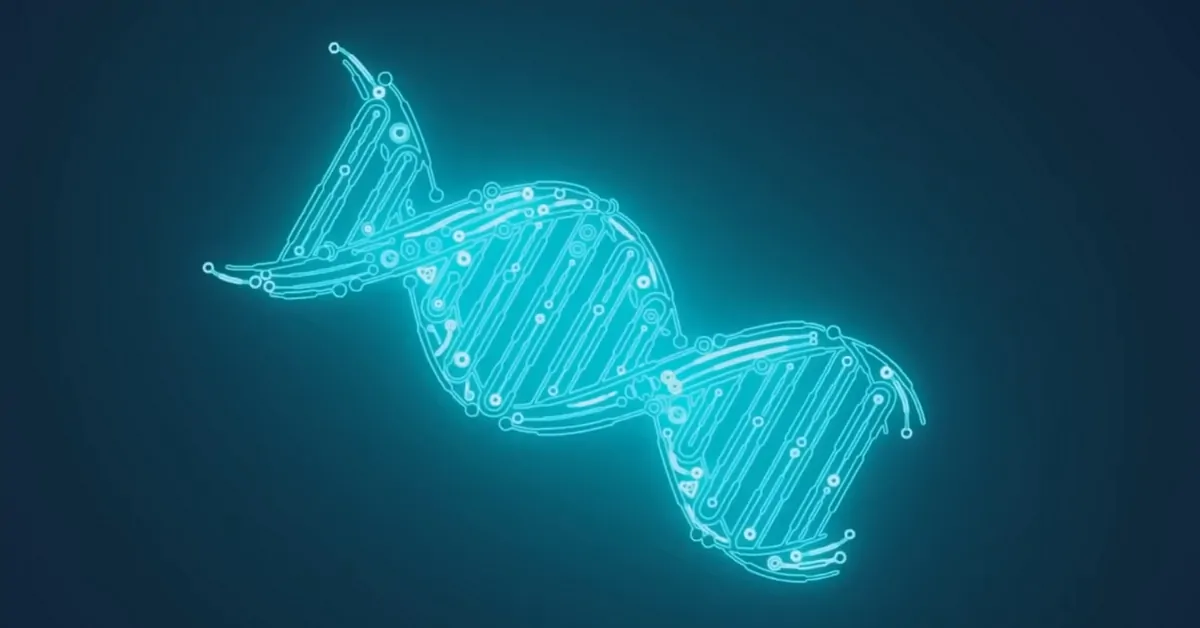
The study zeroed in on a gene called SCN9A, a critical player in how our bodies transmit pain signals through the nervous system. This gene helps create sodium channels in our nerve cells, kind of like tiny doorways that let electrical signals pass through, especially when something gets damaged.
Researchers looked at three Neanderthal-linked versions of this gene. When they tested people who carried one, two, or all three of these variants, a pattern quickly emerged: those with all three were more sensitive to needle-like pain, especially after their skin had been chemically sensitized with mustard oil (a lab-safe way to mimic irritation).
Interestingly, this effect wasn’t across the board. These individuals didn’t respond any differently to heat or blunt pressure, just sharp, pokey stuff. The takeaway? Their nerves seem wired to react more quickly and intensely to sudden, pointed stimuli.
Neanderthals Felt It Too
This study builds on earlier research that hinted Neanderthals may have had an overall higher sensitivity to pain. But this new work takes it further, suggesting that their nervous systems may have been especially quick to react to sharp mechanical threats, possibly because it helped them survive.
“Injuries in the Stone Age could be fatal. A system that overreacts a bit might have actually been a life-saver,” explained Pierre Faux, lead author of the study and a researcher at Aix-Marseille University.
What may have been a valuable survival trait back then, a sort of early warning system against cuts, bites, or stings, might just feel like annoying oversensitivity today.
Who Inherits This Pain Sensitivity?
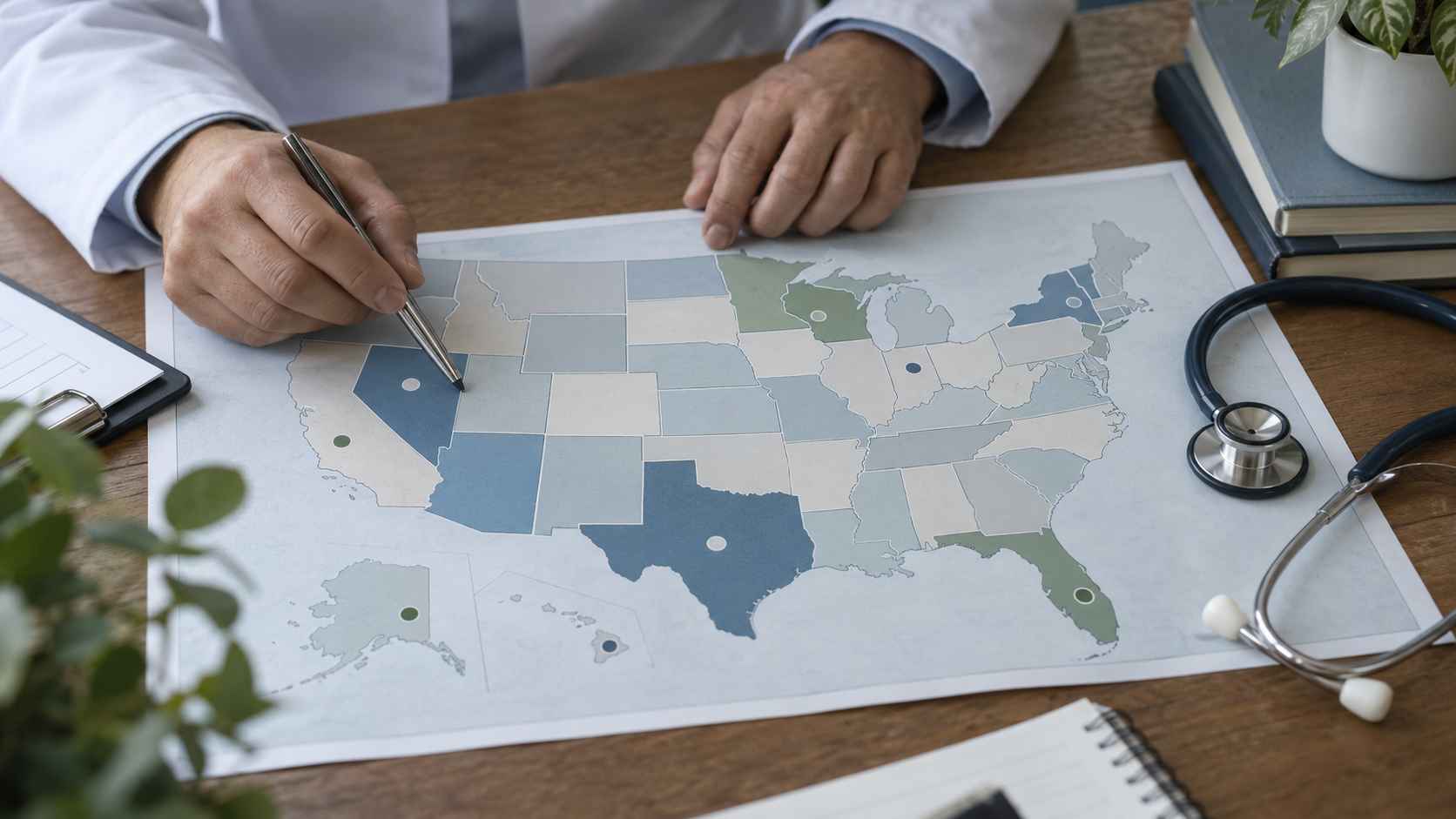
Not everyone carries these gene variants, and their distribution isn’t random. The study found they’re relatively rare in people of European descent, but more common in populations with higher Native American ancestry, including many Latin American communities.
This uneven spread is likely the result of how humans migrated across the globe. When small groups of people ventured into new territories, they brought limited gene pools with them. Traits like these, whether useful or not, sometimes became more common just by chance.
So… Is This a Bad Thing?
View this post on Instagram
That’s a bit of a gray area. Pain sensitivity isn’t all downside.
While it might make you more cautious around needles or give you a lower pain tolerance than your peers, there’s a flip side. Pain is a warning signal, and for most of human history, the earlier those signals came, the better.
In that light, your “low” pain tolerance might just be your body doing what it was built to do: protect you.
Plus, this study doesn’t suggest that carrying Neanderthal DNA makes you weaker. It just shows that certain types of pain, especially sharp or sudden ones, might hit a little harder if your nervous system is still tuned to the settings of your ancient ancestors.
So the next time you flinch at a jab or yelp during a vaccine, remember: it might not be a sign of weakness. It could just be your inner Neanderthal speaking up.