

Typhoid fever is not a disease that belongs only in old medical textbooks. It still infects millions of people every year, and the hardest part of the problem is changing.
The infection is still spread through contaminated food and water, but treatment is becoming more difficult because the bacteria are learning how to survive drugs that used to work.
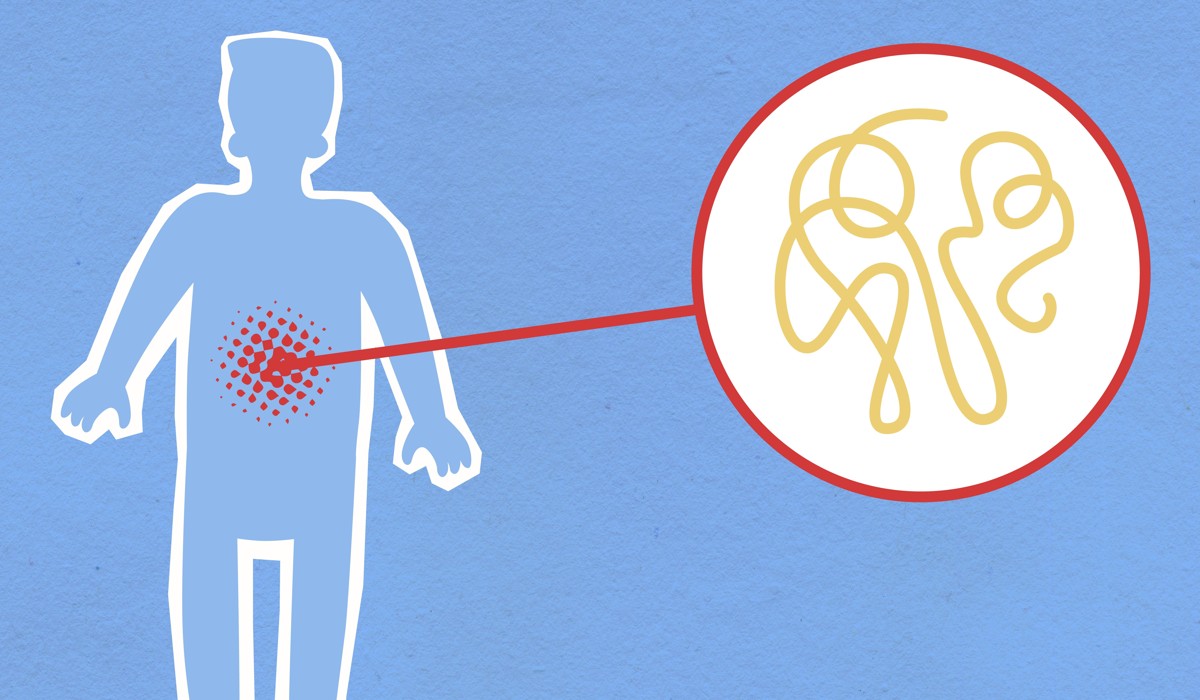
The disease is caused by Salmonella enterica serovar Typhi, usually called Salmonella Typhi or S. Typhi. It lives only in humans. People can carry it in the bloodstream and intestinal tract, then spread it through stool when sanitation, water safety, or food handling fails.
Antibiotics once changed the story of typhoid. Before treatment became widely available, the infection could last for weeks and lead to dangerous complications. Today, antibiotics still save lives, but resistance is reducing the number of reliable options.
The warning is not that every typhoid case is already untreatable. The warning is more precise. In several parts of the world, especially South Asia, strains of S. Typhi have become resistant to many of the drugs doctors have used for decades. Some strains now require more careful testing, stronger drugs, and hospital level care.
What Has Changed About Typhoid?
Typhoid used to be treated with older antibiotics such as ampicillin, chloramphenicol, and trimethoprim sulfamethoxazole. Over time, many strains became resistant to all three. Doctors then leaned more heavily on fluoroquinolones and later on third generation cephalosporins such as ceftriaxone.
That pattern is now under pressure too. A major genomic study in The Lancet Microbe analyzed thousands of S. Typhi samples and found that resistant strains have spread across borders for decades. The study showed that multidrug resistant strains in South Asia have increasingly been replaced by strains with high level fluoroquinolone resistance, ceftriaxone resistance, or azithromycin resistance.
That is very important because each new resistance pattern removes another practical treatment option. In places with limited laboratory testing, doctors may have to begin treatment before they know which antibiotic will work. If the first drug fails, the patient can stay sick longer and complications become more likely.
Why Doctors Are Worried About XDR Typhoid?
Extensively drug resistant typhoid, often shortened to XDR typhoid, refers to strains that resist several major antibiotic classes. The best known XDR strain emerged in Pakistan in 2016 and later appeared in international travelers.
The CDC now tracks an emerging strain called REPJPP01. CDC says this strain is extensively drug resistant, was first detected in the United States in 2018, and has caused illness in travelers to Pakistan and nearby countries, as well as in people without recent international travel.
Most REPJPP01 isolates are resistant to the following antibiotics:
- Ampicillin
- Chloramphenicol
- Ciprofloxacin
- Trimethoprim sulfamethoxazole
- Ceftriaxone
That list is important because it includes drugs that were once standard options for typhoid. If a strain resists all of them, doctors have fewer choices left. CDC clinical guidance says travel history and antimicrobial susceptibility testing should guide treatment. For patients returning from Iraq or Pakistan, uncomplicated illness may be treated empirically with azithromycin, while complicated illness may require a carbapenem while test results are pending.
Azithromycin Is Still Useful, but It Cannot Carry the Whole Burden Alone
Azithromycin remains one of the most important oral treatment options for typhoid, especially where fluoroquinolone resistance is common. That does not mean it is guaranteed to work everywhere.
CDC notes that azithromycin resistance has been identified in Typhi and Paratyphi strains from several countries, including Bangladesh, Cambodia, India, Nepal, Pakistan, Saudi Arabia, and the United States. That is why resistance testing matters. A drug can be a strong option in one setting and a weak option in another.
The danger is a strain that combines XDR resistance with reliable azithromycin resistance. If that happens more widely, many patients would need intravenous drugs, hospital care, and more expensive treatment. That would be a major problem in places where typhoid is already common and hospital access is limited.
The Global Burden Is Still Large
WHO estimates that typhoid causes about 9 million illnesses and 110,000 deaths each year. CDC Yellow Book estimates are similar, with about 9.2 million typhoid cases and 133,000 deaths worldwide each year.
The burden is not spread evenly. Typhoid is most common where safe water, sanitation, and reliable food hygiene are limited. South Asia remains one of the main regions of concern, but cases also occur in parts of Africa, the Western Pacific, the Eastern Mediterranean, Latin America, and other areas with endemic transmission.
The disease can also move internationally through travel. CDC says about 85% of U.S. typhoid cases occur among international travelers, and more than 70% of travel associated U.S. cases are in travelers returning from South Asia, mainly Bangladesh, India, and Pakistan.
| Issue | Why it matters |
| Global cases | Typhoid still causes millions of illnesses every year. |
| Resistance | Common antibiotics may fail against some strains. |
| Travel spread | Resistant strains can move from endemic areas into other countries. |
| Testing gaps | Many places cannot quickly identify resistance before treatment begins. |
| Sanitation gaps | Unsafe water and poor sanitation keep transmission going. |
Should People in US Worry About This?
Typhoid is uncommon in the United States, but it is not irrelevant. Most U.S. cases are linked to international travel, but CDC has also reported XDR cases in people without recent international travel. That does not mean typhoid is spreading widely in the U.S. It does mean public health agencies need strong surveillance, laboratory testing, and fast case investigation.
CDC reported 192 laboratory confirmed REPJPP01 infections in the United States through PulseNet as of December 31, 2025. Among patients with available travel history, most had traveled internationally, and many had visited Pakistan. CDC also reported that only 4% of ill people had received a typhoid vaccine in the five years before illness.
For U.S. travelers, the practical lesson is clear. People visiting countries where typhoid is common should consider vaccination before travel, follow safe eating and drinking habits, and seek medical care if fever develops after travel.
Symptoms Can Look Ordinary at First
Typhoid does not always look dramatic in the beginning. CDC describes an incubation period of about 6 to 30 days. Symptoms can begin slowly, then become more serious.
Common symptoms include:
- Prolonged fever
- Fatigue and weakness
- Headache
- Abdominal pain
- Constipation or diarrhea
- Nausea
- Loss of appetite
- Occasional rash
Serious complications can develop after the second or third week of illness, especially when treatment is delayed or inadequate. CDC notes that serious complications in hospitalized patients can include intestinal bleeding, intestinal perforation, and encephalopathy.
A person with fever after travel to a high risk area should tell the doctor where they traveled. That detail can change the first antibiotic choice and the urgency of resistance testing.
Vaccines Are Becoming More Important
Vaccination is not a replacement for clean water and sanitation, but it can reduce illness and lower antibiotic use. Lower antibiotic use matters because every unnecessary antibiotic course gives bacteria more chances to adapt.
WHO recommends typhoid conjugate vaccines in areas where typhoid is common or where outbreaks occur. CDC says typhoid conjugate vaccines are highly effective, offer years of protection, and can be used in young children.
Typhoid conjugate vaccines have one major advantage over older vaccines. They can be introduced into childhood immunization programs in endemic countries. That helps protect children, who are often at high risk, and can reduce transmission at the community level.
CDC reported that six countries used typhoid conjugate vaccine in childhood vaccine programs as of December 2023: Liberia, Malawi, Nepal, Pakistan, Samoa, and Zimbabwe. Wider rollout in high burden countries could reduce both cases and antibiotic pressure.
Clean Water is Essential
Typhoid spreads through food or water contaminated with feces from an infected person or carrier. That means vaccines and antibiotics cannot solve the problem alone.
Long term control depends on clean drinking water, sewage systems, handwashing, safe food handling, and testing during outbreaks. In places where water and sanitation remain unreliable, typhoid can keep circulating even when treatment improves.
WHO also warns that urbanization and climate change can increase the global burden of typhoid. Flooding, water disruption, crowded settlements, and weak sanitation can create conditions where contaminated water reaches more people.
What Travelers Can Do Before and During a Trip
Travelers to high risk areas should check vaccine advice before departure. A vaccine reduces risk, but it does not give complete protection. Food and water choices still matter.
- Drink bottled, boiled, or properly treated water.
- Avoid ice unless it is made from safe water.
- Eat food that is cooked and served hot.
- Avoid raw fruits and vegetables unless they can be peeled safely.
- Wash hands with soap and water before eating.
- Use alcohol based hand sanitizer when soap and water are not available.
- Seek care for persistent fever after travel.
- Tell the doctor about recent travel before antibiotics are chosen.
People visiting friends and relatives in endemic countries may underestimate risk because the destination feels familiar. CDC notes that this group can have increased risk because they may be less likely to seek pre travel advice or vaccination.
What Public Health Agencies Need to Do Next?
The typhoid resistance problem needs more than one response. Treatment guidance has to keep changing as resistance changes. Laboratories need the ability to test isolates for resistance. Countries need outbreak surveillance that can identify new resistant strains before they spread widely.
Three actions matter most:
| Action | Why it matters |
| Expand typhoid conjugate vaccine rollout | Fewer infections mean fewer antibiotics and fewer chances for resistance to grow. |
| Improve water and sanitation | Typhoid transmission falls when contaminated water and poor sewage systems are addressed. |
| Strengthen genomic surveillance | Sequencing can show where resistant strains are emerging and how they cross borders. |
Antibiotic stewardship also matters. People should not use antibiotics without medical guidance, and prescribed antibiotics should be taken exactly as directed. Incomplete or unnecessary treatment can make resistance worse.
Bottom Line
Typhoid is preventable and treatable, but the margin for error is getting smaller. Resistant strains have removed many older antibiotics from reliable use, and XDR typhoid has already crossed borders.
Azithromycin and carbapenems still have a role, but no single drug should be expected to carry the future of typhoid treatment alone. The stronger answer is prevention: vaccination, safe water, sanitation, careful diagnosis, resistance testing, and better surveillance.
The main lesson is direct. The world still has tools to control typhoid, but those tools need to be used earlier and more widely. Waiting until the last oral antibiotic fails would turn a manageable infection into a much harder public health problem.