
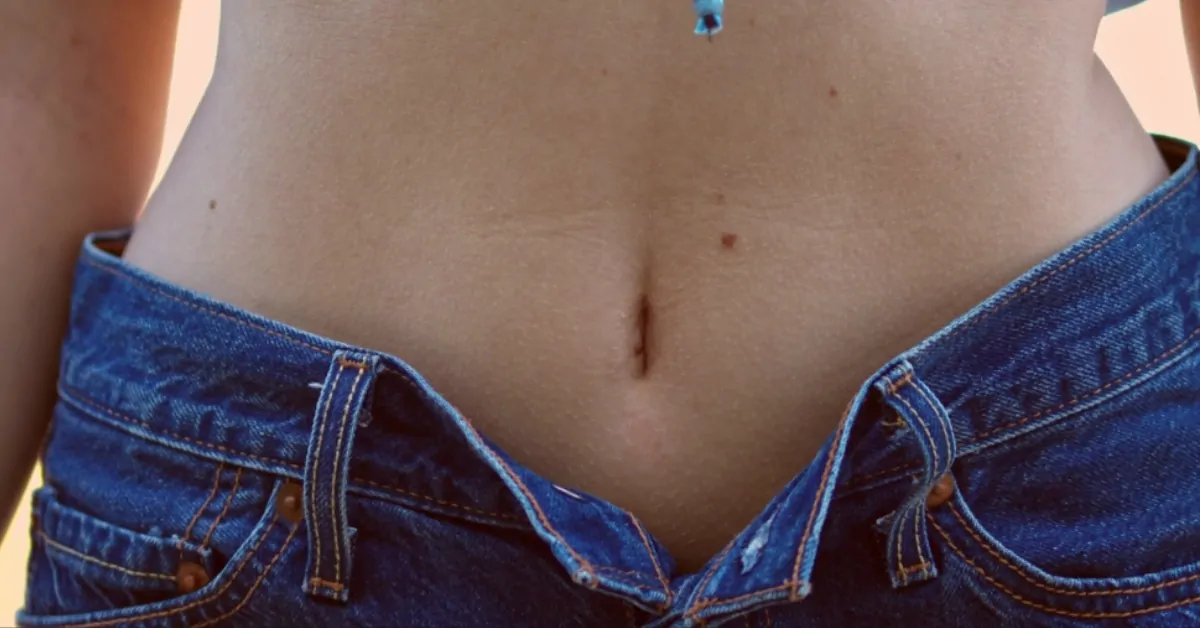
Your belly button might look harmless, even boring. But according to a large citizen-science study published in PLoS ONE, it hosts one of the most surprisingly complex ecosystems ever studied on the human body, and it follows rules scientists usually associate with rainforests and coral reefs.
Researchers analyzing belly button swabs from volunteers across the United States found thousands of distinct bacterial lineages living just centimeters from the center of the human torso.
The discovery itself was striking. What surprised scientists more was what came next: despite this enormous diversity, the microbial chaos was not random. It was structured. Predictable.
And dominated by a small inner circle of microbial “elites.”
Thousands of Species, One Tiny Habitat
View this post on Instagram
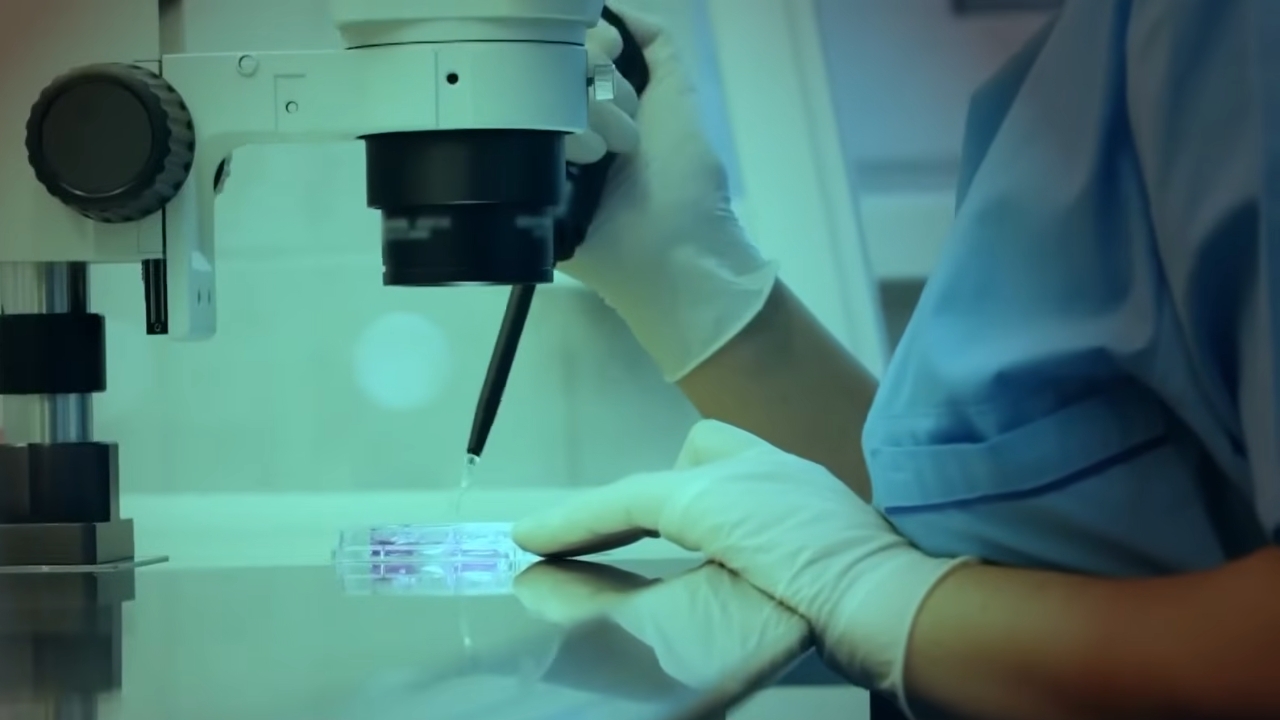
The study, led by biologists Jiri Hulcr and Robert Dunn, analyzed belly button samples from 60 adults using DNA sequencing techniques normally reserved for environmental surveys.
The result was a microbial census that would put many natural ecosystems to shame.
Across all samples, researchers detected more than 2,300 distinct bacterial phylotypes, genetic groupings roughly comparable to species. Even after standardizing samples to account for sequencing depth, the average belly button still hosted around 67 different bacterial types, with some harboring more than 100.
To put that in perspective, a single human navel can contain more microbial diversity than entire continents contain bird species.
Yet most of this diversity was made up of microbial loners. Thousands of bacterial types appeared on only one or two people, often represented by just a handful of DNA reads. They were present, but barely.
The Rise of the Microbial Oligarchs
While the majority of bacteria were rare, a small group dominated. Researchers identified just six bacterial phylotypes found on more than 80 percent of people. These few microbes accounted for roughly one-third of all bacterial DNA reads in the study.
Ecologists have a word for this pattern: oligarchy. It describes communities where a small number of species are both widespread and abundant, while the rest exist at the margins.
The concept is well known in tropical forests and fish communities. This study shows it also applies to the human body.
“These bacteria are not just common,” the researchers found. “They are predictably common.” A bacterial type that was frequent in one group of volunteers was almost always frequent in another, independent group sampled weeks later.
Statistically, the predictability was strong. The correlation between bacterial frequencies across the two populations was high, suggesting that who dominates your belly button is not a matter of chance.
Familiar Skin Residents, Not Exotic Invaders

The dominant bacteria were not mysterious newcomers. They belonged to well-known skin-adapted groups such as Staphylococcus, Corynebacterium, Micrococcus, and related lineages.
These microbes are already known to tolerate dry conditions, salty sweat, antimicrobial compounds, and limited nutrients, exactly the conditions found in a belly button.
In contrast, the rare bacteria appeared to come from all over: soil, water, other body sites, and the broader environment. Many likely arrived by accident and failed to establish long-term populations.
In ecological terms, the belly button seems to act like a filter, allowing only a narrow set of well-adapted bacteria to thrive while constantly receiving, and losing, a background drizzle of transient species.
Even Their Family Tree Tells a Story
@zekedarwinscience Life in your belly button #science #teacher #bacteria #edutok #bacteria #til #fyp #bellybutton #biodiversity ♬ Taste It – TELL YOUR STORY music by Ikson™
The researchers didn’t stop at counting species. They also examined how closely related the dominant bacteria were to one another.
If success in the belly button required specialized traits, the winners might come from the same branches of the bacterial family tree.
That is exactly what they found.
The most frequent bacteria were far more closely related to each other than expected by chance. In contrast, the thousands of rare bacteria were scattered across the bacterial tree of life, suggesting they were ecological outsiders rather than specialists.
This pattern mirrors what scientists see in rainforests, where palms and a few other plant families dominate despite the presence of thousands of rare tree species.
Archaea Make a Surprise Appearance
Apparently your belly button simply harbors a unique ecosystem of bacteria with rare species that are not found anywhere else on Earth or even on other people’s bodies. https://t.co/7PTIHZqq7e
— Black (@LilithBlack25) January 7, 2026
One unexpected finding was the detection of archaea, a group of microbes often associated with extreme environments like hot springs or deep-sea vents. Archaea had not previously been reported on human skin.
They were rare, appearing in only a handful of individuals, but their presence suggests that the human body may host a broader range of life than previously thought.
In one case, archaea were detected on a participant who reported not bathing for several years, hinting at how hygiene practices might shape microbial communities in unexpected ways.