Nobody expects their quest for an hourglass silhouette to come with an odor, yet online conversations keep circling around something people casually call the BBL smell.
Brazilian butt lifts involve liposuctioning fat from areas like the abdomen or thighs and transferring it into the buttocks for volume and contour. The procedure itself is sterile, but recovery conditions sometimes create situations where odor becomes noticeable.
A Brazilian butt lift is a fat‑grafting procedure: surgeons harvest fat via liposuction, purify it, and inject the fat into the buttocks. It has become one of the fastest‑growing cosmetic operations.
ASPS data show that buttock augmentation with fat grafting (essentially BBL) was performed 29,466 times by its members in 2024, roughly equal to the 29,383 surgeries in 2023 according to the plastic surgery report.
The procedure exploded from 8,500 cases in 2012 to more than 20,000 cases by 2017, rising to 28,076 in 2019 before dipping to 21,823 in 2020. Global demand is even bigger; an estimated 400,000 BBLs were produced worldwide in 2021, a 20 % increase since 2017.
What Is BBL Smell?
The term “BBL smell” describes an unpleasant, sometimes sour or musty odour that a minority of patients notice during recovery, according to the financemutal. Surgeons and patients have compared it to “rotting fat tissue”.
It is not an expected consequence of the operation itself; rather, experts say it happens when postoperative conditions cause bacteria to thrive, tissues to die or drainage to stagnate.
The American Society of Plastic Surgeons (ASPS) stresses that the procedure is sterile and no odour should occur during surgery; when smell is reported, it is “linked to postoperative recovery issues such as bacterial overgrowth, poor hygiene, infection or fat necrosis”.
Where the Smell Comes From: The Gory Details
Sweat, Compression Garments and Bacteria
The most prosaic explanation for the BBL smell is good old sweat. Patients must wear tight compression garments for weeks, sit on special cushions and avoid putting pressure on the graft.
Reduced mobility and restrictive garments trap heat and moisture, turning the buttock area into a bacterial greenhouse.
Surgeons at Aesthetic Match note that BBL recipients are often inactive, sweat accumulates in the treated area and the garments trap heat; sweat mixing with bacteria produces an unpleasant smell. If garments and dressings are not changed regularly, fluid drainage from liposuction incisions can become smelly.
Hygiene Challenges and “New Butt” Logistics
Your new backside is bigger and sore, and you can’t sit or twist easily. In other words, wiping becomes an engineering problem.
Surgeons like Dr Roger Tsai told Hindustan Times that patients often struggle to reach their larger buttocks, and poor cleaning can lead to odours. The Vice article that sparked the current “BBL smell” craze describes patients who literally couldn’t wipe properly and ended up with “musty” butts.
That limitation explains why some people online ask if BBL smells or complain that the odor reminds them of poor hygiene.
Blogs by Dr Raj Mohan add that residual urine or stool can accumulate because mobility is limited. It’s not glamorous, but it’s a major contributor. Questions like What does BBL smell like poop often reflect poor hygiene during recovery rather than surgical complications.
Fat Necrosis: When Overfilling Goes Wrong
@dr.ericwanderson The people are saying BBLs stink is that a myth or are they are telling the truth ? #bbl #mommymakeover #bblsmell #cosmeticsurgery ♬ original sound – Eric W. Anderson, MD
The most dreaded cause of odour is fat necrosis – dead grafted tissue. If too much fat is injected into the buttocks, the newly grafted cells may not develop a blood supply, and they die.
When fat dies inside the body, it breaks down and can smell rancid.
Chicago‑based surgeon Dr Eric Anderson explained that fat necrosis can indicate that a patient was overfilled, leading to tissue death and smell.
FinanceMutual’s 2026 overview notes that dead fat cells create foul‑smelling by‑products as the body breaks them down. This process is not unique to BBL – similar necrosis occurs with any fat grafting that is overdone – but the buttocks produce headlines because of the location.
Infections, Fluid Seromas, and Other Complications
A persistent, foul smell is a red flag for infection. Small incisions can ooze fluid; if bacteria colonise this fluid, it may produce a foul odour along with fever, redness, and pus. Dr Michael Keyes, an ASPS member, emphasises that infections or fat necrosis – not the surgery – cause the odour.
Clinics warn that poorly healed incisions exposed to contaminants can create smelly drainage. In rare cases, fat necrosis or abscesses may require antibiotics or surgical drainage.
Serious complications like pulmonary fat embolism (when fat enters the bloodstream and blocks a lung artery) won’t cause smell but can cause death; BBL has an estimated mortality rate of 1 in 3,000 procedures, far higher than traditional liposuction (2.6–20.6 deaths per 100,000 procedures).
Medical Opinions: Myth or Serious Warning?
The plastic‑surgery community is split between debunkers and alarmists. Dr Michael Keyes from the ASPS calls BBL smell “not common” and notes he rarely encounters it; he attributes most cases to bacterial overgrowth, poor hygiene, or fat necrosis rather than the surgery.
He recommends gentle cleansing, investing in a bidet for better hygiene, and washing compression garments daily.
Other surgeons agree that the procedure itself doesn’t stink. An article on NewBeauty quotes cosmetic surgeons Dr Anthony Youn and Dr Sean Simon saying BBL smell is largely a social‑media myth; they caution that a foul odour may indicate an abscess or infection, which warrants medical evaluation.
Allure Esthetic’s 2025 post echoes this, stating that a healthy BBL recovery should not produce any unique odour and that social media has exaggerated the issue. The clinic admits that temporary smells can occur when patients are overfilled, fail to clean properly, or wear damp dressings.
Its advice: follow hygiene instructions, change garments frequently, and keep the area dry.
Yet surgeons who perform high‑volume BBLs acknowledge that smell complaints exist. Dr Raj Mohan notes that the odour may be musty or sour due to moisture and bacterial growth, fat necrosis, or sweat trapped by compression garments.
The Dallas‑based surgeon lists infection, fat necrosis, and fluid build‑up among complications that can produce a smell. InjectCo, a cosmetic‑clinic blog, admits that some patients notice odour during recovery; it attributes smell to drainage, bacterial growth, poor hygiene or fat necrosis.
How Long Does the Smell Last?
How long does BBL smell last? If odor occurs, it usually disappears once:
For most patients, any temporary odor resolves within weeks. Persistent smell, however, requires medical evaluation.
That is also why many people ask does BBL smell go away. In normal recovery cases, yes – it resolves with proper hygiene and healing.
What That Odor Actually Refers To
When people casually mention what is BBL smell or what is a BBL smell is, they are usually talking about an unpleasant scent noticed during recovery rather than something caused directly by the surgery.
Doctors consistently stress that the procedure itself does not produce odor. When it does happen, it is almost always tied to recovery factors: trapped sweat, healing fluids, hygiene limitations or, in less common cases, infection or fat necrosis.
Understanding what does BBL smell mean comes down to context. A temporary mild odor during early healing can happen because patients wear compression garments continuously and have limited mobility.
A strong or persistent smell, however, is usually a sign that something needs medical attention.
BBL by the Numbers: A Statistical Snapshot
Beauty trends don’t exist in a vacuum. The BBL boom reflects cultural ideals and economic realities. The table below summarises key statistics:
Metric
Number / Range
Notes & Sources
BBL procedures (ASPS members, USA 2024)
29,466 cases
Slight increase from 29,383 cases in 2023
Global BBL procedures (ISAPS 2021)
≈400,000 worldwide
Up 20 % since 2017
Growth
+61 % buttock augmentation growth between 2012–2018; 90 % spike in US BBLs from 2015–2019
Demand accelerated rapidly before the pandemic
Average BBL cost (USA 2025)
$7,665 (range $6,500–$8,900)
Surgeon’s fee ~$4,500–$6,800; facility & anesthesia $1,200–$1,800
Average BBL cost (UK 2024)
£7,500 on average
Costs vary by surgeon and facility
Low‑price clinics (Miami)
As low as $2,900
High‑volume clinics in Florida offer cut‑rate packages
Complication rates (2025 Aesthetic Match)
Pulmonary fat embolism: ~1 in 3,000 procedures; Infection/seroma: 3–8 %; Fat necrosis/lumps: 5–15 %; Asymmetry/overcorrection: 10–20 %
Risk varies by surgeon and patient health
Mortality rate (pre‑guidelines)
1 in 3,448 (ASERF report 2017)
25 deaths recorded from 2011–2016
Mortality rate (post‑guidelines)
≈1 in 14,921–23,818
Improved after surgeons were advised to inject fat only above the muscle and use stiff cannulas
Surgeons’ knowledge gaps
60 % of surveyed plastic surgeons oppose mandatory ultrasound and many underestimate mortality
Only 20 % correctly estimate the mortality rate
Search‑interest trends (2024–2025)
“Safe BBL” searches +18.4 %; “BBL near me” searches −6.1 %
Patients are researching safety more than location
To visualise the growth, the bar chart below uses ASPS data to illustrate the surge in BBL procedures (numbers approximate because non‑ASPS surgeons aren’t counted).
Note how numbers climb quickly after 2012, plateau in 2020 (pandemic effect) and rise again by 2024:
Complications and Mortality: Why Safety Still Matters
View this post on Instagram
The allure of a bigger butt obscures the procedure’s risks. BBL has one of the highest mortality rates in cosmetic surgery. Public Health Post calls BBL the deadliest aesthetic surgery: roughly 1 death per 3,000 procedures, whereas traditional liposuction has 2.6–20.6 deaths per 100,000 cases.
The main killer is fat embolism – fat injected into or below the gluteal muscle enters a vein and blocks lung arteries. That’s why recent guidelines emphasize injecting fat only into the subcutaneous layer and using ultrasound guidance to track cannula placement.
Florida now requires surgeons to record ultrasound footage and limits them to three (later five) BBLs per day to reduce fatigue.
Despite improved techniques, knowledge gaps remain. In a survey of 1,791 plastic surgeons (178 responses), 77 % perform BBLs, but 60 % oppose mandatory ultrasound regulation.
While 94 % know fat embolism is the main cause of death, only 20 % correctly estimate the current mortality rate. In Miami‑Dade County, an estimated 15,000–18,000 BBLs are performed each year, yet at least 19 women died over five years, highlighting how high‑volume clinics can become death traps.
Social Media, Celebrity Talk, and Reality
Celebrity gossip has amplified the conversation.
around figures like Cardi B BBL smell or BBL smell Cardi B often circulate online, but they rarely reflect confirmed medical facts. Surgeons consistently emphasize that most odor complaints relate to recovery logistics, not the surgery itself.
Prevention: How to Avoid the Dreaded Smell
Most cases of BBL smell are preventable. Surgeons and clinics recommend focusing on hygiene, moisture control and early intervention:
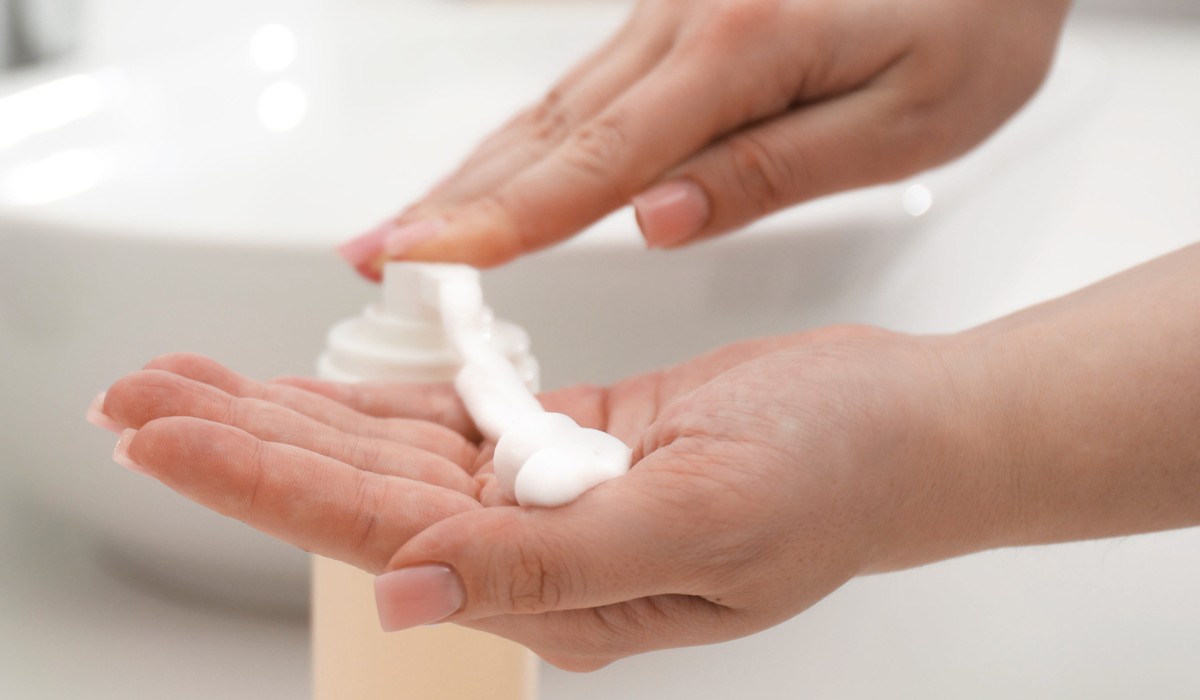
- Gentle cleansing. Dr Keyes advises using an antiseptic solution and a handheld bidet or wet wipes to keep the area clean. FinanceMutual suggests washing the surgical area regularly and avoiding powders or perfumes.
- Change garments and dressings. Compression garments and absorbent pads should be washed daily and replaced when damp. Keeping the area dry reduces bacterial growth.
- Manage fluid drainage. Clean any incision drainage promptly. If fluid smells or turns yellow/green, see a doctor.
- Address mobility and hygiene challenges. Use a bidet or long‑reach wipes to clean effectively when bending is difficult. Dr Vasisht recommends washing garments and bedding frequently and wearing breathable clothing.
- Watch for red flags. Contact your surgeon if the odour is strong, lasts beyond a week, accompanies fever, swelling, lumps or increasing pain.
- Choose an experienced surgeon. BBL should be performed by board‑certified plastic surgeons in accredited facilities. Avoid bargain clinics that compromise safety. Surgeons who use ultrasound guidance and limit fat volume (800–1,000 cc per side) reduce the risk of fat embolism.
The Reality of Recovery
Recovery after a BBL is not glamorous. Patients often cannot sit normally for weeks, twisting or bending can be painful, and daily hygiene becomes more complicated than expected.
This is one reason some people quietly wonder does BBL smell during healing.
Compression garments trap heat and moisture, and when sweat mixes with bacteria, odor develops easily. Add restricted movement, healing incisions and swelling, and you have conditions where smell can appear temporarily.
Some discussions exaggerate the issue, even comparing it crudely – which explains why phrases like what is BBL smell like poop sometimes circulate. In most cases, though, it simply reflects sweat and healing fluids rather than anything extreme.
Alternatives: Do You Need a Surgical BBL?
View this post on Instagram
If the idea of necrotic fat and potential odours turns you off, less invasive options exist. Sculptra® injections and other dermal fillers can modestly enhance the buttocks without liposuction or fat grafting, and they don’t carry the same risks of fat embolism or necrosis.
Non‑surgical butt lifts like Hyacorp or collagen‑stimulating injections require multiple sessions, but there is no incision smell to worry about. Some patients also achieve a rounder look through targeted glute exercises and body‑positive styling rather than surgery.
Conclusion: Vanity, Virality and Reality
The viral “BBL smell” is equal parts real and overblown. The operation does not inherently stink; it’s the recovery phase – sweaty garments, poor hygiene, overfilled grafts or infection – that can create odours.
Surgeons emphasise that with proper aftercare, most patients will never notice a smell. However, the same recovery period carries significant medical risks: fat necrosis, infection, nerve damage, asymmetry, pulmonary embolism and, in rare cases, death.
Patients chasing an Instagram‑worthy backside should research the procedure thoroughly, choose experienced surgeons, follow aftercare religiously and understand that trending hashtags often gloss over the messy reality. When vanity collides with biology, the nose knows.