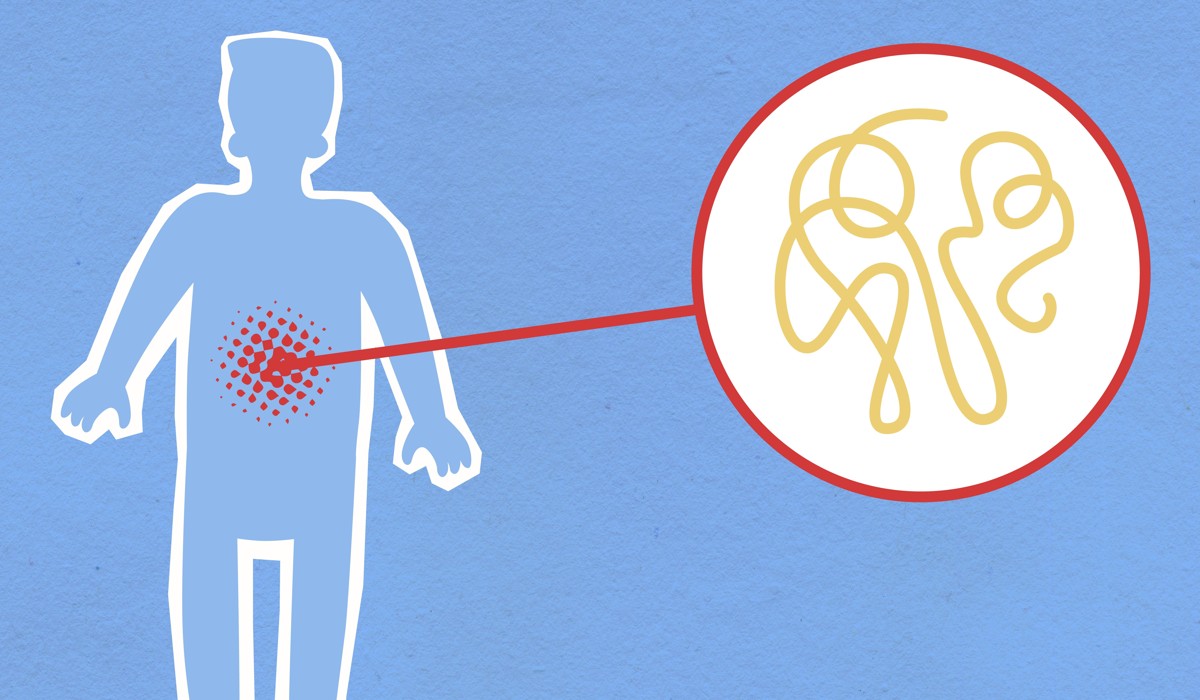


Autophagy literally means “self‑eating.” The term comes from the Greek words autos (self) and phagomai (to eat), and it describes one of the cell’s most important housekeeping processes.
When nutrients are scarce, cells form membrane‑bound sacs called autophagosomes that engulf worn‑out proteins and organelles and then fuse with lysosomes so that enzymes can break these components down into reusable building blocks.
This recycling system keeps cells functioning efficiently and removes potentially dangerous material, such as aggregated proteins and damaged mitochondria. Researchers have discovered that autophagy also targets invading microbes, supports immunity, and protects against many chronic diseases.
A simple way to start with the intermittent fasting is to eat your dinner earlier. Some experts suggest the best time is around 6 p.m.
How Hunger Triggers the Body’s Cellular Cleanup System

The idea that hunger can act as medicine comes from observations that nutrient deprivation is a powerful trigger for autophagy.
During fasting, caloric restriction or intense exercise, insulin levels fall and glucagon, adrenaline and noradrenaline rise; these hormonal changes inhibit the nutrient‑sensing mTOR pathway and activate AMPK, stimulating autophagy.
Laboratory animals begin ramping up autophagy after roughly 24–48 h of fasting. Human evidence has lagged behind, but a 2025 randomized clinical trial of a fasting‑mimicking diet (FMD) provides the first direct demonstration that periodic, plant‑based calorie restriction can increase autophagic flux in adults while improving metabolic markers.
Participants who followed a five‑day ProLon FMD experienced increased autophagy activity, weight loss, lower fasting glucose and improved insulin sensitivity. The results suggest that short‑term, food‑based fasting might “switch on” the body’s internal clean‑up system without the risks of prolonged starvation.
As Dr Sara Espinoza, principal investigator of the study, explained, this trial is “among the first to evaluate the dynamic process of autophagy in humans” and highlights how periodic fasting‑mimicking nutrition could support healthy ageing.
Cellular Recycling
Cells constantly generate damaged proteins, dysfunctional mitochondria and other “junk.” Autophagy is the primary way they dispose of and recycle this material. In macroautophagy, the most studied form, cells assemble a crescent‑shaped membrane called a phagophore.
The pre‑autophagosomal structure is nucleated by the ULK1 complex when mTOR is inhibited and AMPK is activated. A PI3KC3 complex and ATG9A vesicles deliver membrane material; two ubiquitin‑like conjugation systems (ATG12–ATG5–ATG16L complex and LC3/ATG3/ATG7) expand and seal the membrane, forming a double‑walled autophagosome.
The outer membrane fuses with lysosomes so that hydrolases degrade the cargo, releasing amino acids and lipids back to the cytosol. Autophagy can be non‑selective, engulfing random cytoplasmic contents during starvation, or selective, targeting specific organelles (mitochondria, endoplasmic reticulum) via receptors.
Other forms include microautophagy, where lysosomes directly engulf cytoplasmic portions, and chaperone‑mediated autophagy (CMA), which selectively transports proteins bearing KFERQ‑like motifs across the lysosomal membrane via the LAMP2A receptor.
Regardless of the form, autophagy maintains cellular homeostasis by clearing debris and providing substrates for energy during periods of stress.
Hormonal and Signalling Control
View this post on Instagram
Autophagy is tightly regulated by nutrient‑sensing pathways. mTORC1 is a master growth regulator that suppresses autophagy when nutrients are abundant. During starvation, low amino acid and insulin levels reduce mTORC1 activity and activate AMPK, which in turn phosphorylates and activates the ULK1 initiation complex.
Hormonal signals reinforce these effects: glucagon and stress hormones (adrenaline, noradrenaline) rise during fasting and promote autophagy, whereas insulin and IGF‑1 inhibit it. Th1 cytokines, such as interferon‑γ and TNF‑α, stimulate autophagy, while Th2 cytokines (IL‑4, IL‑10, IL‑13) suppress it.
Timing and Triggers
Research in rodents suggests that autophagy activity increases markedly after 24–48 hours of nutrient deprivation. In humans, intermittent fasting regimes, such as time‑restricted eating (fasting for 16–18 h daily), alternate‑day fasting, or 5:2 diets, are thought to trigger autophagy, though definitive evidence was scarce until recently.
Also, latest research says there are significant health benefits of eating your dinner at least four hours before bed.
Exercise and certain diets (e.g., ketogenic or low‑protein diets) also inhibit mTOR and may induce autophagy. Importantly, autophagy declines with age, leading to the accumulation of cellular waste and contributing to chronic diseases.
This decline is one reason why researchers view autophagy activation as a potential anti‑ageing strategy.
Hunger as Medicine, Fasting and Autophagy

The Fasting‑mimicking Diet Trial
In 2025, researchers conducted a pilot randomized controlled trial examining whether a fasting‑mimicking diet could safely activate autophagy in humans. Thirty healthy adults were assigned to one of two plant‑based FMD formulations (ProLon or FMD2) or a normal diet for five days.
The FMD provided roughly 40 % of normal calories, was low in protein and sugar, and rich in unsaturated fats. Blood samples were collected at baseline, during the intervention, and two days after resuming a normal diet.
- Metabolic outcomes: By day 6, the FMD groups showed significant improvements in body weight, fasting glucose, β‑hydroxybutyrate (a ketone), insulin resistance (HOMA‑IR), and other metabolic markers compared with controls. In a separate parallel study, both low‑ and high‑protein FMDs reduced body weight and fat mass (P < 0.0001); fasting glucose decreased by ~10 % and insulin‑like growth factor‑1 (IGF‑1) by ≈35 %. The high‑protein FMD selectively reduced visceral fat and improved heart‑rate variability, circulating triglycerides, and gut microbiome diversity.
- Autophagy measurements: Autophagic flux was assessed ex vivo by measuring the ratio of LC3B‑II to LC3B‑I in peripheral blood mononuclear cells. In the ProLon group, the untreated LC3B‑II/I ratio decreased by day 6, indicating enhanced autophagic degradation; this elevated autophagy persisted two days after re‑feeding. The study concluded that FMD could improve autophagic flux and metabolic health, though larger trials are needed. Researchers noted that autophagy induction likely involved AMPK activation and mTOR inhibition, shifting metabolism from an anabolic to a catabolic state.
The trial spurred considerable interest because it provided the first human evidence linking a dietary intervention to a measurable increase in autophagic activity. News coverage highlighted that participants lost weight, lowered blood sugar, and improved insulin sensitivity while increasing their cellular clean‑up activity.
Dr William Hsu of L‑Nutra, which sponsored the study, described the results as a “major step toward understanding how nutrition technology can modulate the biology of aging”.
Other Fasting and Caloric Restriction Approaches
Observational and animal studies suggest that intermittent fasting, calorie restriction, and exercise can all induce autophagy. In mice, alternate‑day fasting and caloric restriction robustly activate autophagy in the liver, heart, and brain.
In humans, early time‑restricted eating (e.g., eating only between 8 AM and 2 PM for four days) increased expression of SIRT1 and the autophagy gene LC3A in blood cells.
Ramadan fasting, which involves abstaining from food and drink from dawn to sunset for about a month, has been linked to up‑regulation of Beclin‑1 and down‑regulation of LC3β and p62, markers of autophagy activation. Participants also showed improved metabolic indicators and reduced inflammatory cytokines.
As interest in fasting and metabolic health continues to grow, many people are turning to digital tools that help structure fasting schedules and monitor progress.
Apps designed around intermittent fasting can guide users through different approaches such as time-restricted eating, alternate-day fasting, or longer fasting cycles while also tracking hydration, sleep, and metabolic markers.
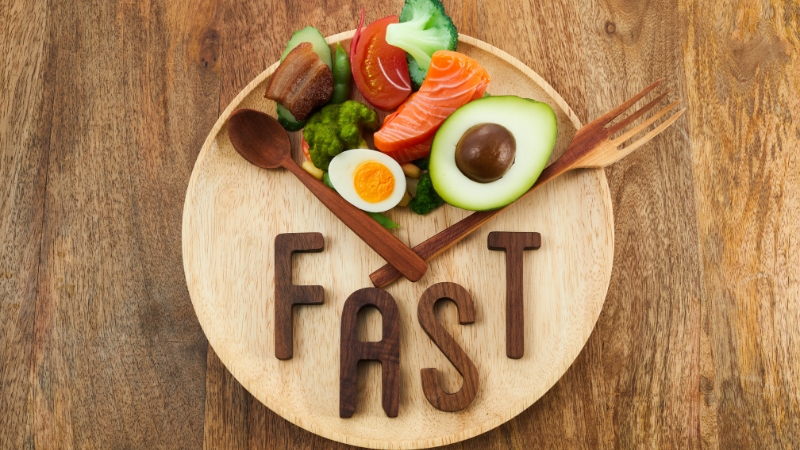
For beginners, especially, having a structured plan can make fasting easier and safer, since it encourages gradual adaptation rather than extreme restriction.
One example is the municorn fasting app, which helps users plan fasting windows, understand the science behind metabolic switching, and maintain consistent routines.
Tools like this can be particularly helpful for people exploring fasting for health reasons, because they provide reminders, progress tracking, and educational insights that align daily habits with the growing body of research on fasting and cellular processes such as autophagy.
However, there is still debate about how long and how often one needs to fast to induce significant autophagy. Cleveland Clinic notes that animal studies show autophagy may begin after 24–48 hours of fasting, but robust human data are lacking.
Extended water‑only fasts beyond 48 hours may further increase autophagy but carry risks of nutrient deficiency, hypotension, electrolyte imbalance, and disordered eating. Health organisations caution that people with diabetes, those with eating disorders, pregnant women, and older adults should consult a physician before attempting prolonged fasting.
Polyphenols and Spermidine
Besides fasting, certain dietary components may modulate autophagy. Polyphenol‑rich foods (green tea catechins, resveratrol from grapes) and spices like turmeric contain compounds that activate autophagy‑related pathways in vitro.
A 2024 study in Nature Cell Biology found that intermittent fasting increases spermidine, a naturally occurring polyamine, which in turn induces autophagy and prolongs lifespan in yeast, worms, flies, and mice.
Conversely, inhibiting spermidine synthesis blocked the longevity benefits of fasting, suggesting that boosting spermidine might mimic some effects of fasting. While these findings are preliminary, they highlight how nutrient‑sensing metabolites can interact with autophagy pathways.
Why Is Autophagy Important for Health?
Maintenance and Resilience
Autophagy is crucial for cellular maintenance and stress resilience. By clearing damaged organelles and misfolded proteins, it prevents their toxic accumulation, analogous to emptying a household trash can before it overflows.
Dr Ghanshyam Swarup from India’s Centre for DNA Fingerprinting and Diagnostics noted that autophagy is essential for survival because it “removes damaged organelles and misfolded proteins, fights infections and prevents cancer”. Its decline with age contributes to the buildup of cellular junk, inflammation and susceptibility to diseases.
Immunity and Infection
Autophagy plays a role in innate and adaptive immunity. It delivers cytoplasmic antigens to lysosomes for presentation and can directly engulf and destroy intracellular pathogens like Mycobacterium tuberculosis and Streptococcus.
Th1 cytokines stimulate autophagy, enhancing antimicrobial responses, whereas Th2 cytokines suppress it. This means that interventions that activate autophagy may bolster immune defense, although more research is needed.
Metabolic and Neurodegenerative Diseases
Dysregulated autophagy has been implicated in metabolic disorders such as type 2 diabetes, obesity and fatty liver disease. Research shows that defective autophagy disrupts insulin homeostasis and lipid metabolism and is associated with insulin resistance.
In obesity, autophagy inhibition reduces adipose mass and converts white fat to more metabolically active brown fat.
Autophagy also clears protein aggregates in neurons; mutations in autophagy genes (e.g., ATG5) lead to accumulation of abnormal proteins and neurodegeneration in mice. Studies suggest that enhancing autophagy may help remove toxic amyloid‑β and tau proteins, offering potential therapeutic avenues for Alzheimer’s and Parkinson’s diseases.
Cancer – a Double‑edged Sword
Autophagy has a complex relationship with cancer. In early stages, it acts as a tumor suppressor by removing damaged mitochondria and misfolded proteins that could otherwise lead to DNA damage and tumorigenesis. Mutations in autophagy genes (e.g., BECN1) are associated with increased cancer risk.
However, established tumors can hijack autophagy to survive nutrient‑poor conditions and resist chemotherapy. Some cancers upregulate autophagy in response to treatment, allowing them to recycle materials and evade cell death.
Consequently, researchers are exploring drugs that both stimulate autophagy (to prevent cancer) and inhibit it (to sensitize tumors to therapy). The fasting‑mimicking diet trial noted that FMD may complement cancer treatments by inducing autophagy in cancer cells and making them more susceptible to chemotherapy.
Cautions and Future Directions

Avoid Extreme Fasting
While hunger can activate cellular recycling, extreme or prolonged fasting is not for everyone. Cleveland Clinic warns that autophagy begins after 24–48 hours in animals, so extended fasting may be necessary to reach maximal activation.
Yet water‑only fasts longer than two days risk nutrient deficiencies, hypotension and other adverse effects. The Institut Pasteur similarly cautions against fad diets like the 5:2 diet or “Eat Stop Eat,” noting that such extreme practices can lead to nutritional deficiencies and disordered eating.
People with chronic conditions, pregnant or nursing women, adolescents and the elderly should consult healthcare providers before attempting fasting.
Many Questions Remain
Nobel laureate Yoshinori Ohsumi, who elucidated the genetic machinery of autophagy in yeast, remarked that there are still many mysteries about how autophagosomes form and operate.
Researchers are now investigating how different fasting regimes, exercise patterns, and dietary compounds (e.g., polyphenols, spermidine) influence autophagy in humans over the long term. Larger clinical trials are needed to determine optimal fasting durations, frequencies and nutrient compositions for safely inducing autophagy.
Conclusion
@drbergofficial Did you know this is how autophagy works? #drericberg #cells #healthyliving #health #autophagy ♬ original sound – Dr. Eric Berg
Autophagy is a fundamental survival mechanism that allows cells to clean house and recycle components when nutrients are scarce. Hunger, whether through fasting, calorie restriction or scientifically designed diets, serves as a natural medicine by flipping the switch on this recycling machinery.
Modern research shows that controlled fasting regimens can improve metabolic health and, at least in pilot studies, increase autophagic activity in humans. Yet, like any powerful intervention, fasting must be approached thoughtfully.