
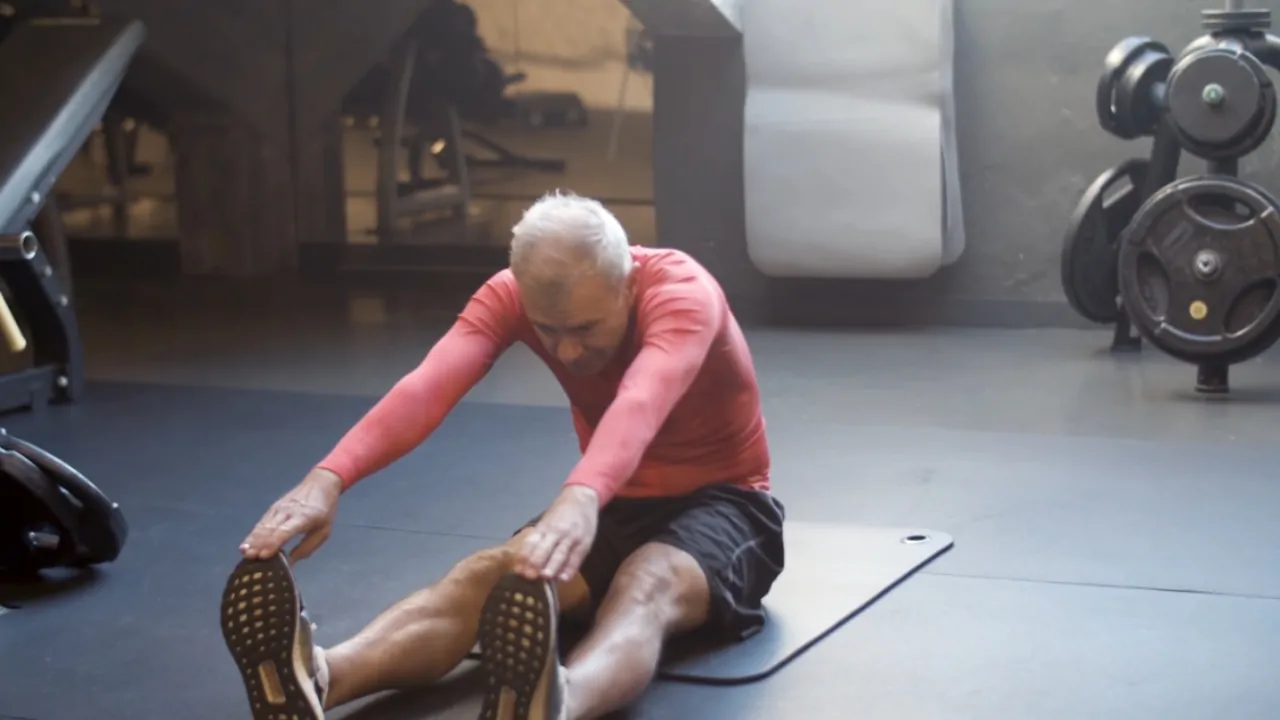
Exercise is still recommended for osteoarthritis, but a recent scientific review suggests its effects may be smaller than many people expect.
The key takeaway is not that exercise is useless, far from it. Instead, the evidence shows exercise can reduce pain modestly and provide broader health benefits, even if it does not dramatically improve joint function in every case.
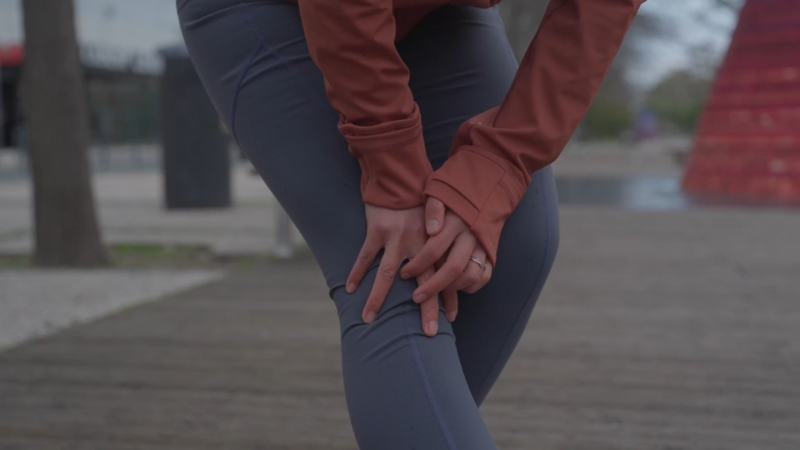
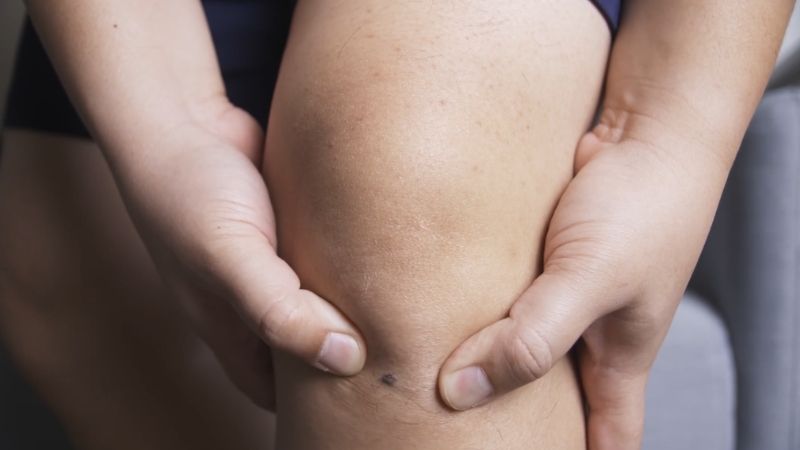
Osteoarthritis is one of the most common joint disorders worldwide. It causes cartilage breakdown, stiffness, swelling, pain, and reduced mobility.
Knees, hips, and hands are the most frequently affected joints, although the condition can appear elsewhere.
Because movement helps maintain joint health, doctors often recommend regular physical activity as part of treatment.
What This New Review Looked At
Researchers carried out what is known as an umbrella review. This type of study examines multiple systematic reviews and combines their findings to create a broader overview of existing research.
The team analyzed:
They compared exercise with several alternatives, including:
- No treatment
- Placebo interventions
- Educational programs
- Manual therapy
- Pain medications
- Steroid injections
- Joint replacement surgery
The focus was mainly on osteoarthritis affecting the knee, hip, and hand.
Main Findings: Exercise Helps, But Modestly
Compared with doing nothing or receiving placebo treatments, exercise produced small but measurable pain reductions. On a 100-point pain scale, improvements generally ranged between 6 and 12 points.
That may sound minor, but even a 10 percent pain reduction can noticeably improve daily functioning, such as walking, working, or social activity.
However, the review found exercise did not consistently improve physical function more than a placebo or no treatment.
For knee and hip osteoarthritis, exercise showed similar effectiveness to some common medical treatments:
Treatment Type
Average Pain Reduction
Exercise
~6–12 points on pain scale
NSAID medications (like ibuprofen)
~5–10% reduction
Corticosteroid injections
Similar moderate reduction
Joint replacement surgery still showed larger improvements in pain and function for severe cases.
Why These Results Need Careful Interpretation
Although the review is large, several important limitations could make exercise appear less effective than it actually is.
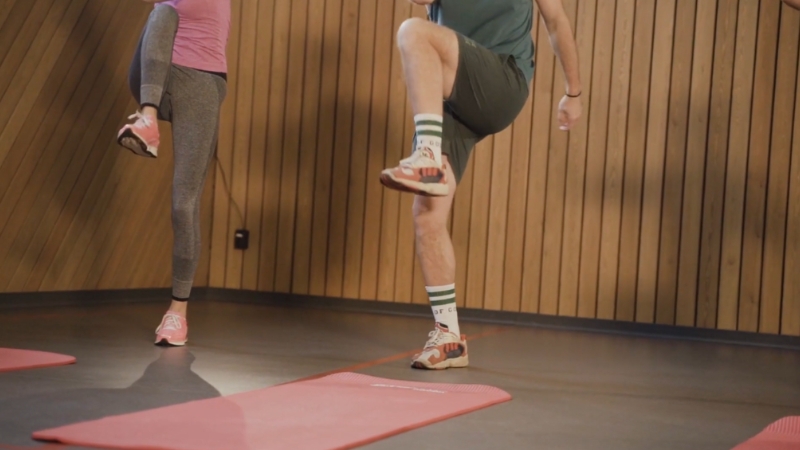
1. All Exercise Types Were Combined
The study grouped very different activities:
Evidence already shows some forms work better than others. For example:
Exercise Type
Typical Impact on Osteoarthritis
Aerobic exercise
Stronger pain relief evidence
Strength training
Improves joint stability
Stretching alone
Usually weaker effect
Mixing them may dilute the results.
2. Supervised vs. Solo Exercise Was Not Distinguished
Research consistently shows supervised programs produce better outcomes. Professional guidance improves:
When this factor is ignored, overall effectiveness can appear smaller.
3. Study Duration Was Often Short
Many trials lasted only about 12 weeks. Osteoarthritis is a long-term condition, and benefits often accumulate over months or years.
Long-term adherence typically leads to:
Short studies may miss these improvements.
4. Exercise “Dose” Was Not Carefully Measured
View this post on Instagram
Some research suggests that about 150 minutes of moderate exercise per week delivers the strongest benefits for osteoarthritis symptoms. Without tracking this properly, the review may underestimate results.
Beyond Joint Pain: Broader Health Gains
Even modest pain relief is only part of the picture. Exercise affects overall health in multiple ways:
Health Benefit
Impact
Cardiovascular health
Reduced heart disease risk
Weight management
Less joint stress
Mental health
Improved mood and sleep
Chronic disease prevention
Lower diabetes and cancer risk
These indirect benefits often matter as much as joint symptom relief.
Bottom Line
A new review suggests exercise might not help osteoarthritis after all. But don’t write off exercise just yet. Here’s what you can do to ease the pain. @_HunterBennett_ @LewisIngramSA https://t.co/U35Rj4PSUe
— The Conversation – Australia + New Zealand (@ConversationEDU) February 17, 2026
Exercise is not a miracle cure for osteoarthritis, but it does help. Most people can expect modest pain relief, possible functional improvements over time, and substantial overall health benefits.
The newest research mainly highlights the importance of choosing appropriate exercise types, maintaining consistency, and understanding that results build gradually rather than instantly.