
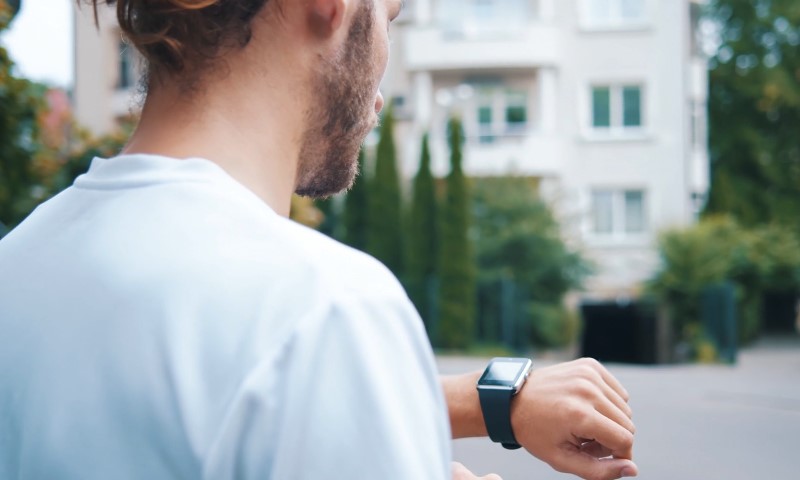
10,000 steps became a daily target because it was easy to remember, not because doctors had identified it as the point where walking starts to protect your health.
The figure came from a Japanese pedometer campaign during the 1960s. Fitness watches and phone apps later turned it into a global benchmark. Missing the target can feel like failure, even after a reasonably active day.
Current research gives people a more useful number. Walking about 7,000 steps a day is associated with substantial health benefits. People starting from a low level can improve their health with far fewer.
Key Findings
- About 7,000 daily steps provide substantial protection against early death and several major health conditions.
- Walking 7,000 steps was linked to a 47% lower risk of death compared with walking 2,000.
- Health gains begin below 7,000 steps, particularly among people who currently walk very little.
- Moving from 2,000 to 4,000 steps can produce a larger improvement than moving from 8,000 to 10,000.
- Ten thousand steps remains a healthy target for people who already reach it.
- Walking pace matters for fitness, but total daily movement remains valuable at any comfortable speed.
- Step counts do not record cycling, swimming, rowing or strength training accurately.
- Walking after meals can reduce the rise in blood sugar that follows eating.
- Recent research links about 8,500 daily steps with better weight-loss maintenance.
- Older adults and people returning to activity should increase their steps gradually.
Start With the Number You Walk Now

A person who walks 2,500 steps a day does not need to jump immediately to 10,000. Adding 1,000 or 1,500 steps is already a meaningful change.
Someone walking 8,000 steps has less room for improvement. More movement can still support fitness and energy use, but the largest reduction in health risk appears earlier on the curve.
Checking an average over seven days gives a better starting figure than using one unusually active or inactive day. Phones and watches often provide a weekly average automatically.
A Practical First Target
Add 500 to 1,000 steps to your current daily average. Keep that level until it feels normal. Another increase can follow after one or two weeks.
One thousand steps usually takes about 10 minutes, depending on pace and stride length. A short morning walk and another after dinner may be enough to cover the increase.
People With Pain or Limited Mobility Need a Different Approach
A fixed step target may not suit someone with arthritis, balance problems, heart disease or a recent injury. A doctor or physical therapist can help set a safer starting point.
Pool walking, assisted walking and short indoor sessions can provide movement without requiring a long outdoor route.
Why 7,000 Steps Has Become the More Useful Target
A major systematic review published in The Lancet Public Health examined 57 studies conducted in more than 10 countries. Researchers compared daily step counts with eight health outcomes.
The University of Sydney research team found that 7,000 daily steps provided health benefits close to those seen at 10,000 for several outcomes.
Compared with 2,000 steps a day, walking 7,000 was associated with a 47% lower risk of death from any cause. Dementia risk was 38% lower. The reduction at 10,000 steps was only seven percentage points greater for dementia.
The review also connected higher step counts with lower risks of cardiovascular disease, cancer death, depressive symptoms, falls and type 2 diabetes.
| Health Outcome | Risk Difference at 7,000 Steps | Comparison Group |
|---|---|---|
| Death from any cause | 47% lower risk | 2,000 steps per day |
| Cardiovascular disease | 25% lower risk | 2,000 steps per day |
| Cancer death | 37% lower risk | 2,000 steps per day |
| Dementia | 38% lower risk | 2,000 steps per day |
| Depressive symptoms | 22% lower risk | 2,000 steps per day |
| Falls | 28% lower risk | 2,000 steps per day |
The percentages describe associations found across the studies. They do not promise that walking a specific number of steps will prevent an illness in every person.
7,000 Steps Is Not a Maximum
People who already walk 10,000 steps do not need to reduce their activity. The research found further gains above 7,000 for some outcomes.
The improvement simply became smaller after that point. Seven thousand is a practical target for general health, not a ceiling.
Health Benefits Begin Long Before 7,000 Steps
The steepest improvement appeared among people with the lowest activity levels. Moving from 2,000 to 4,000 steps was associated with a clear reduction in health risk.
That finding matters for office workers, older adults and people returning to activity after illness. A target of 10,000 can look unreachable from a baseline of 2,000. Four thousand is close enough to begin working toward immediately.
| Daily Steps | How to Interpret the Number |
|---|---|
| Under 3,000 | A low baseline where small increases can produce substantial gains |
| 4,000 to 5,000 | A meaningful improvement for someone who was largely inactive |
| 6,000 to 7,000 | A strong general health range supported by current research |
| 8,000 to 10,000 | A useful range for active adults and people pursuing higher activity |
| More than 10,000 | Potentially useful for training, work demands or higher energy expenditure |
Age, health, occupation and exercise outside walking all affect how the number should be read. A cyclist may record few steps after completing a demanding workout. A retail worker may pass 10,000 without doing a deliberate exercise session.
Age Changes the Most Useful Step Goal
Older adults often obtain most of the mortality benefit at lower step counts than younger adults. Previous research placed the point of diminishing returns near 6,000 to 8,000 steps for adults aged 60 and older.
Younger adults may continue to gain through a range closer to 8,000 to 10,000. No sharp line separates a healthy day from an unhealthy one.
Daily Step Targets by Starting Point
| Person | Reasonable Initial Goal | Next Goal |
|---|---|---|
| Inactive adult averaging 2,000 steps | 3,000 steps | 4,000 to 5,000 steps |
| Adult averaging 4,000 steps | 5,000 steps | 6,000 to 7,000 steps |
| Older adult averaging 5,000 steps | 6,000 steps | 7,000 steps if comfortable |
| Active adult averaging 7,000 steps | Maintain 7,000 | 8,000 to 10,000 for additional activity |
| Person already above 10,000 | Maintain the routine | Focus on pace, strength and recovery |
Older Adults Should Also Consider Balance and Strength
Step counts record walking volume. They do not measure leg strength, balance or the ability to recover from a stumble.
Two weekly strength sessions can complement walking. Simple exercises such as chair stands, supported heel raises and controlled step-ups can help preserve mobility.
Walking Faster Adds Benefits, but Every Step Does Not Need to Be Brisk
A leisurely walk still counts toward daily movement. Faster walking raises heart rate and can improve cardiovascular fitness in less time.
Federal physical activity guidelines recommend at least 150 minutes of moderate aerobic activity each week for adults. Brisk walking can contribute to that total.
A simple test can help identify moderate intensity. You should be able to speak in sentences, but singing should be difficult.
Total Steps and Exercise Minutes Measure Different Things
Step counts capture movement accumulated during work, shopping, housework and planned walks. Exercise minutes focus on activity performed at a sufficient intensity.
A healthy week can include both. Daily steps reduce long periods of inactivity. Brisk sessions improve fitness more directly.
Walking for Weight Loss Requires More Than a Step Target
Walking burns energy, but a step count alone does not determine weight loss. Food intake, body size, walking speed, distance and overall activity all affect the result.
Ten thousand slow steps do not automatically create a calorie deficit. A person can also lose weight without reaching 10,000 if diet and total activity support that goal.
Recent Research Points to About 8,500 Steps for Weight Maintenance
Research presented at the 2026 European Congress on Obesity examined trials involving people enrolled in lifestyle-based weight-loss programs.
Participants who increased their movement averaged 8,454 daily steps near the end of the weight-loss phase. They later maintained about 8,241 daily steps and kept most of the weight off during the follow-up period.
The result supports 8,500 steps as a practical weight-maintenance target. It does not prove that walking exactly 8,500 steps causes weight loss.
Pace Changes the Energy Cost
Brisk walking generally uses more energy per minute than a casual stroll. Hills, stairs and uneven terrain also increase the demand.
A useful walking plan can include ordinary daily movement and several faster sessions each week. Strength training helps preserve muscle during weight loss.
Short Walks Count Toward the Daily Total
Walking does not need to happen in one long session. Trips to the store, movement at work and short breaks all contribute to the total.
Three 10-minute walks can be easier to fit into a workday than one 30-minute session. Short walks also interrupt long periods of sitting.
Ways to Add About 1,000 Steps
- Walk for 10 minutes before work.
- Take a short route after lunch.
- Walk during a phone call.
- Use stairs for several floors.
- Park farther from the entrance.
- Walk through the building during a break.
- Take a brief walk after dinner.
The exact step increase will differ by stride and speed. Consistency matters more than reaching precisely 1,000 additional steps every day.
Walking After Meals Can Help Control Blood Sugar
A short walk after eating can reduce the rise in blood glucose that follows a meal. Muscles use glucose during movement, which helps remove some of it from the bloodstream.
Even two to five minutes can help. A longer walk may provide a greater effect when it is safe and practical.
The Best Time to Begin
Starting soon after a meal can target the period when blood glucose is rising. A relaxed walk is sufficient. Hard exercise is not required.
People using insulin or medication that can cause low blood sugar should discuss exercise timing with a clinician.
Wearable Devices Are Useful, but Their Numbers Are Not Exact
Phones, watches and pedometers estimate steps from movement. Counts can differ between devices.
A watch may miss steps when a person pushes a stroller or shopping cart because the wrist remains still. A phone left on a desk records nothing. Devices can also count some arm movements as steps.
Use One Device for Trend Tracking
Switching between a watch and phone can create artificial changes. Using the same device makes weekly comparisons more reliable.
The useful question is not whether the device counted every step. The useful question is whether the average is rising, falling or remaining stable.
Steps Miss Several Important Activities
Cycling, swimming, rowing and strength training may produce few recorded steps. Such activities still support cardiovascular health, muscle strength and mobility.
A low step count after a long bike ride does not make the day inactive.
Rethinking the 10,000-Step Goal

Ten thousand steps is not harmful for a healthy person who reaches it comfortably. The problem begins when it is presented as the minimum amount needed for walking to count.
A person who reaches 6,500 steps has not failed. Someone moving from 2,000 to 4,000 has made a substantial change, even if an app refuses to display a celebration.
Seven thousand gives most adults a more realistic long-term target. It is high enough to encourage regular movement and low enough to fit into an ordinary day.
Steps Are a Tool, Not a Medical Test
A step count cannot measure blood pressure, blood glucose, fitness, joint health or mental health. It cannot tell a person how much sleep or recovery is needed.
The number is useful because it makes daily movement visible. It should guide behavior, not determine how someone feels about the entire day.
How to Build a Walking Routine That Lasts
1. Check Your Seven-Day Average
Use one normal week to establish a baseline. Avoid choosing a vacation week or a period of illness.
2. Add a Small Amount
Increase the average by 500 to 1,000 steps. Keep the change manageable.
3. Choose Repeatable Times
Attach walking to events that already happen. A walk after breakfast, lunch or dinner is easier to remember than an unplanned session.
4. Increase Only After the Routine Feels Comfortable
Muscles, joints and feet need time to adjust. Sudden increases can cause soreness and overuse problems.
5. Watch for Warning Signs
Chest pain, faintness, unusual shortness of breath or severe joint pain requires medical attention. Persistent foot, knee or hip pain is a reason to reduce the load and seek advice.
Methodology
The article uses findings from peer-reviewed studies of device-measured daily steps and health outcomes.
The main benchmark comes from the systematic review and dose-response meta-analysis published in The Lancet Public Health. The review covered 57 studies conducted between 2014 and 2025.
Risk percentages compare groups with different average daily step counts. They describe statistical associations and do not establish a guaranteed result for an individual.
Weight-management findings refer to lifestyle programs that included diet and physical activity. Daily steps were one part of the intervention.
Recommendations for individuals with chronic disease, limited mobility or recent injury should be adjusted with a qualified healthcare professional.
Final Thoughts
Most adults do not need 10,000 steps before walking begins to protect their health.
Seven thousand is a practical target supported by the strongest current review. Four thousand can still mark important progress for someone starting near 2,000.
The best number is one that moves upward from a real baseline and remains possible during an ordinary week. A target that can be repeated is more useful than an impressive number reached once.
Keep walking if 10,000 already fits your life. Start lower if it does not. Health benefits begin with the first increase, not with the number displayed at the end of a fitness app’s progress bar.