
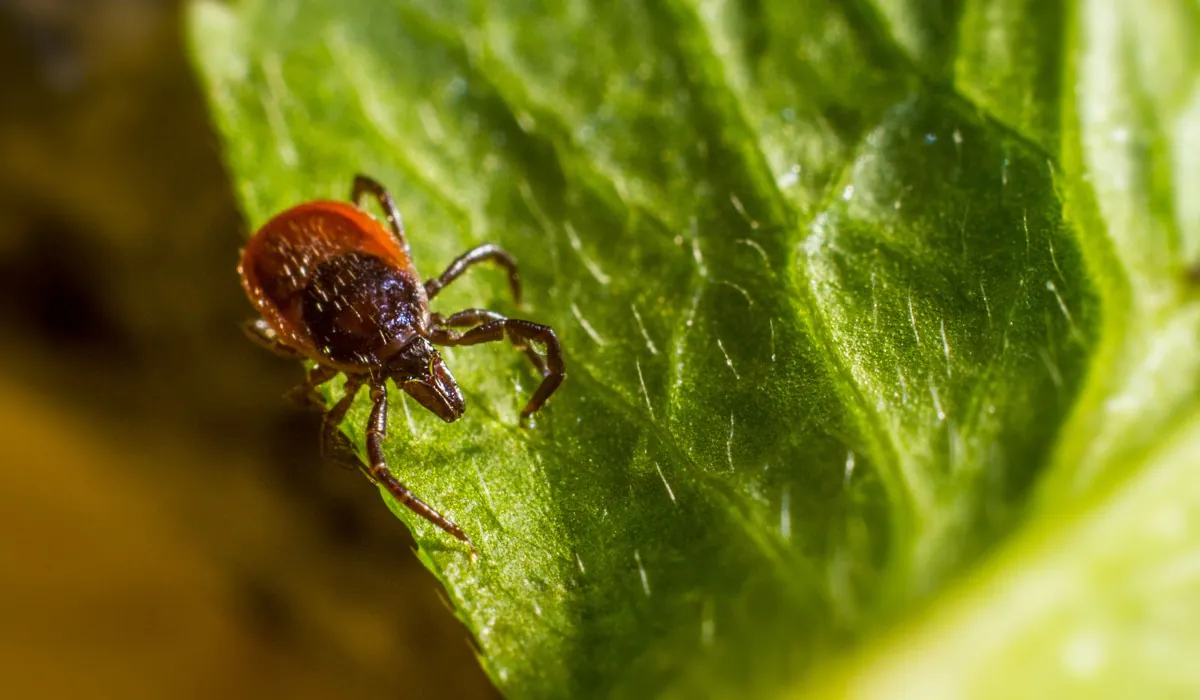
A tick bite can leave someone unable to eat beef, pork or lamb, even after a lifetime of enjoying those foods without any problems.
The condition is called alpha-gal syndrome, or AGS. It happens when certain tick bites cause the immune system to react to a sugar found in meat and other products made from mammals.
One unusual feature makes the allergy difficult to recognize. Symptoms can begin several hours after eating, sometimes in the middle of the night. A person may spend months dealing with unexplained stomach problems or allergic reactions before discovering that meat is responsible.
Recent research has renewed interest in the condition, including studies examining why doctors miss the diagnosis and how existing allergy medication might help affected patients.
How Can a Tick Bite Cause Meat Allergy?
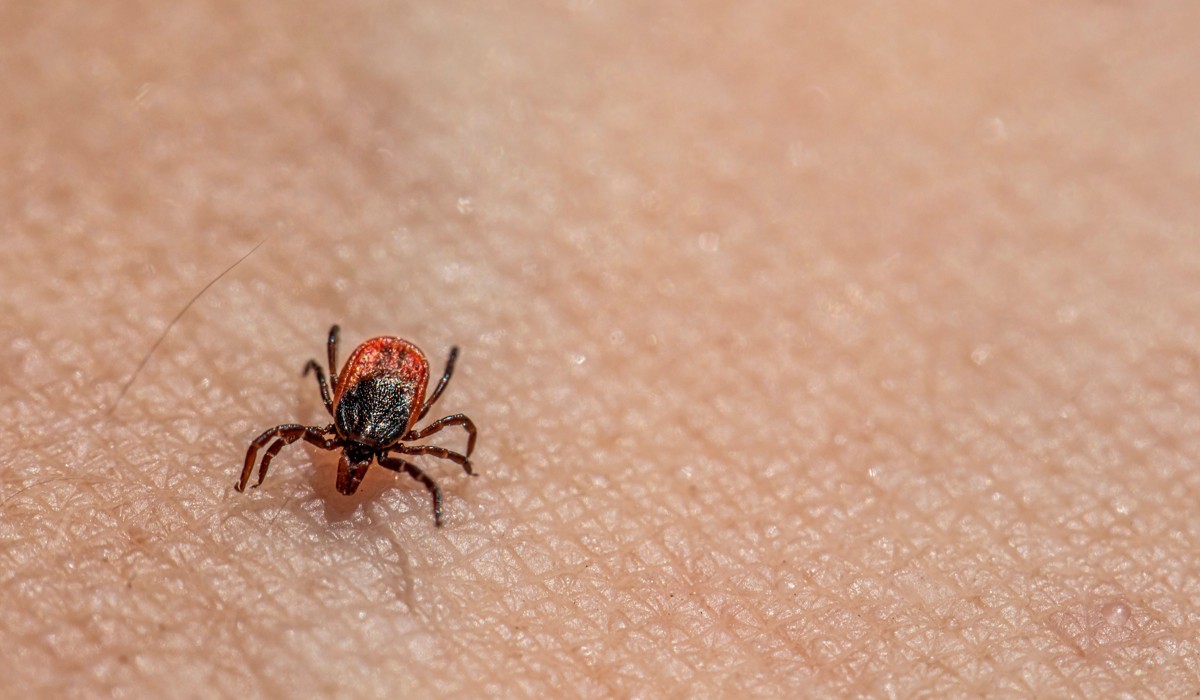
In the United States, the lone star tick is the main species associated with alpha-gal syndrome. It has a reddish-brown body, and adult females have a small white spot on their backs.
When an infected tick bites, its saliva can introduce alpha-gal into the bloodstream. Alpha-gal is a sugar molecule found in most mammals, including cows, pigs and deer.
For reasons scientists are still investigating, the immune system may begin treating that sugar as a threat. The next time the person eats meat containing alpha-gal, an allergic reaction can follow.
The CDC explains this connection and confirms that symptoms may take weeks or months to develop after the original bite.
Not everyone bitten by a lone star tick develops the allergy. The condition can also appear in adulthood, long after a person has started eating meat.
Scientists have studied ways of preventing allergies in babies through early food introduction. Alpha-gal syndrome develops through a different process involving tick exposure.
How to Recognize Alpha-Gal Syndrome Symptoms
Pay attention to what happens several hours after eating red meat. According to the CDC, symptoms usually appear two to six hours after exposure to alpha-gal.
Someone who eats a hamburger for dinner may develop severe stomach pain around midnight. Another person may wake up covered in hives without realizing that dinner caused the reaction.
Symptoms can include:
- Stomach pain, nausea, vomiting or diarrhea
- Itchy skin or raised red welts known as hives
- Swelling of the lips, tongue, face or throat
- Coughing, wheezing or difficulty breathing
- Dizziness, fainting or a sudden drop in blood pressure
Stomach problems deserve special attention because some people experience diarrhea or abdominal pain without developing a rash. Doctors may initially suspect food poisoning or another digestive condition.
Reactions can also change between meals. Someone might eat beef without problems on one occasion and become sick after eating it again.
Difficulty breathing, throat swelling or fainting after eating requires immediate emergency medical care. A severe allergic reaction, called anaphylaxis, can be life-threatening.
Which Foods Can Trigger the Allergy?
People diagnosed with alpha-gal syndrome generally need to avoid meat obtained from mammals. Beef, pork, lamb, venison and rabbit can all trigger reactions.
Chicken and turkey do not contain alpha-gal. Fish, seafood and eggs are also free of the molecule.
Other foods require more attention. Gelatin made from beef or pork, meat stock, gravy and products cooked with animal fat may contain alpha-gal.
Dairy products can cause reactions in certain patients, although many people with AGS tolerate milk and cheese. The list of possible food triggers also includes ingredients used in certain medications.
Anyone diagnosed with the condition should discuss individual food restrictions with an allergist. Removing every dairy product or medication without medical advice may be unnecessary.
How Do Doctors Test for Alpha-Gal Syndrome?
A doctor will usually begin by asking about your symptoms, what you ate before becoming sick and any recent tick exposure.
If you have experienced repeated reactions, write down the foods you ate and when symptoms appeared. Include meals eaten earlier in the day, since the delay between eating and becoming sick can make the connection difficult to spot.
The main diagnostic test measures specific IgE antibodies against alpha-gal in your blood. A healthcare professional can order the test, which is available through several commercial laboratories.
However, a positive blood test alone does not confirm alpha-gal syndrome.
People can carry alpha-gal antibodies without experiencing allergic reactions. The CDC emphasizes that doctors must consider the blood test alongside symptoms and the history of tick exposure.
A recent CDC study of blood donors found alpha-gal antibodies in an estimated 24% of donors across five states with high antibody prevalence. Researchers stressed that only a small minority of people with positive results develop the actual syndrome.
Getting tested immediately after every tick bite is therefore unnecessary. Testing is most useful when a person has symptoms suggesting alpha-gal syndrome.
Do not attempt to confirm the allergy by deliberately eating red meat at home. A severe reaction could occur.
Can Alpha-Gal Syndrome Be Treated?
There is currently no established cure. Doctors generally recommend avoiding foods that trigger reactions and taking precautions against further tick bites.
Patients at risk of severe allergic reactions may need to carry prescribed epinephrine. An allergist can explain when and how to use it.
New research offers a possible treatment for people who continue experiencing reactions despite avoiding mammalian products.
At the American College of Allergy, Asthma and Immunology annual meeting, researchers presented a study involving 64 patients treated with omalizumab, an existing allergy medication.
About 95% reported fewer or less severe reactions during treatment. The findings are encouraging, but the study was observational and cannot establish that the medication caused the improvements. Larger clinical trials are needed.
Doctors also report that sensitivity may decrease over time in certain patients who avoid additional tick bites. Recovery is unpredictable, and anyone considering eating mammalian meat again should discuss it with an allergist.
How to Reduce Your Risk of Developing Meat Allergy
Preventing tick bites is the main way to reduce the risk of alpha-gal syndrome.
Use an EPA-registered insect repellent containing ingredients such as DEET or picaridin when spending time in areas with ticks. Long trousers and clothing treated with permethrin can provide additional protection.
After hiking, gardening or walking through tall grass, check your skin for attached ticks. Pay attention to the backs of your knees, your waistline, armpits and scalp.
Remove attached ticks promptly with fine-tipped tweezers. Keep the area clean afterward.
People who already have alpha-gal syndrome should continue protecting themselves because additional tick bites may increase their sensitivity or trigger renewed allergic reactions.