

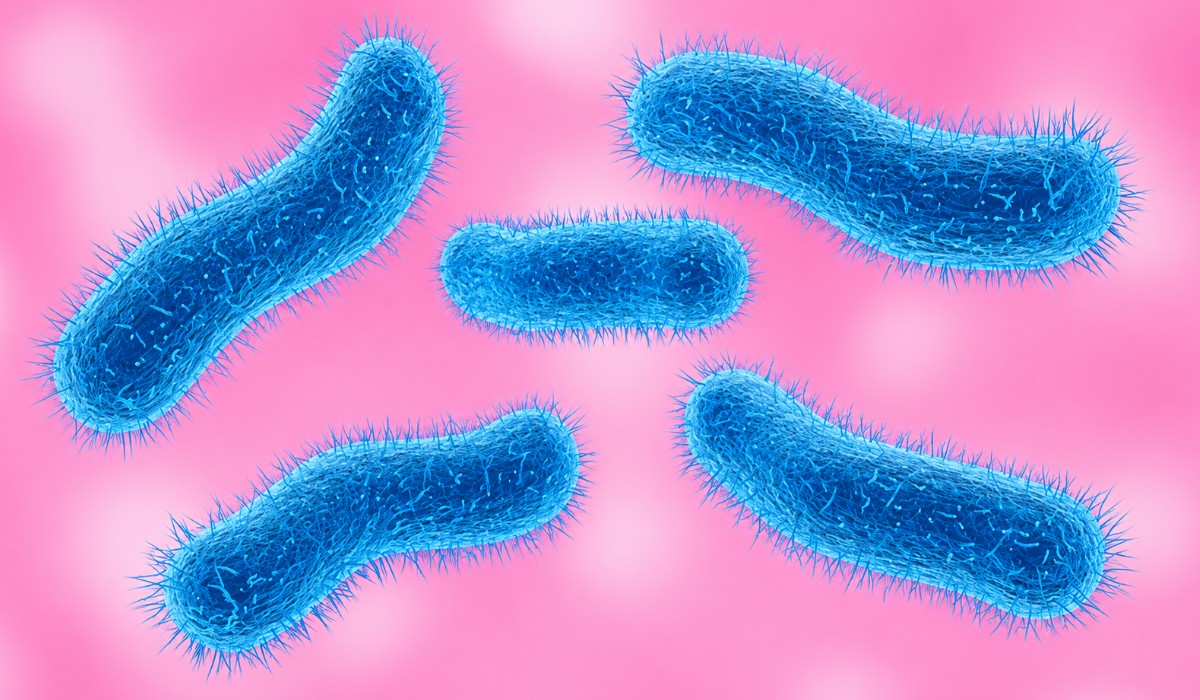
More than 100 cases of shigellosis have been identified in Bernalillo County, New Mexico, where health officials are trying to control the spread of a highly contagious intestinal infection.
According to Source New Mexico, investigators identified 102 infections dating back to March 2025. Among those infected, 46 were people experiencing homelessness.
Officials believe the real number could be higher because some people never seek medical care or get tested.
The illness is caused by Shigella bacteria, which spread through contact with contaminated hands, food, water and everyday objects. Anyone can become infected, and it takes very little bacteria to make someone sick.
How Does Shigellosis Spread?
Shigella bacteria live in the intestines of infected people and leave the body through stool. Someone becomes infected when the bacteria accidentally enter their mouth and are swallowed.
One common example involves a person using the toilet without washing their hands properly afterward. They might touch a door handle, prepare food or handle something that another person later touches.
The next person can pick up the bacteria on their fingers and swallow them when eating or touching their mouth.
The bacteria can also spread through contaminated drinking water, swimming water and sexual contact involving exposure to stool.
According to the CDC, infection can occur after swallowing a very small amount of bacteria.
Shared bathrooms, childcare centers and places with limited sanitation can make transmission easier. People experiencing homelessness face additional risks when clean toilets, running water and handwashing facilities are difficult to access.
Shigellosis does not spread through the air like influenza. Sitting near an infected person or talking to them does not normally transmit the bacteria.
What Are the Symptoms of Shigellosis?
Most people develop symptoms one or two days after becoming infected. Diarrhea is the most common complaint, although the illness can initially resemble food poisoning or an ordinary stomach bug.
Other symptoms include:
- Stomach pain and cramps
- Fever
- Diarrhea that may contain blood
- A repeated urge to use the toilet, even when there is nothing left to pass
Symptoms usually last five to seven days, although some people remain sick for several weeks.
Not everyone develops noticeable symptoms. Some infected people feel healthy but can still carry and spread the bacteria.
Diarrhea alone does not confirm shigellosis. Several other infections produce similar symptoms. For example, cyclosporiasis linked to contaminated food and water can also cause prolonged diarrhea, although it is caused by a parasite and spreads differently.
A stool test can help doctors identify the cause.
How Can You Avoid Getting Shigellosis?
Washing your hands with soap and running water is one of the most effective ways to reduce your risk.
Wash your hands after using the bathroom, changing diapers or helping someone who has diarrhea. Wash them again before preparing food or eating.
Scrub for at least 20 seconds, including between your fingers and around your nails.
Other precautions are worth taking when infections are being reported in your community.
- Keep bathrooms clean. Pay attention to toilet seats, flush handles, faucets and other frequently touched surfaces. Disinfect surfaces that may have been contaminated by someone with diarrhea.
- Be careful with food. Do not eat meals prepared by someone who is currently sick with diarrhea.
- Avoid swallowing swimming water. Contaminated pools, lakes and other swimming areas can expose people to the bacteria.
- Handle diapers carefully. Throw used diapers away promptly, clean the changing area and wash both your hands and the child’s hands.
If someone in your household becomes sick, separate towels and clean shared bathroom surfaces more frequently.
Can You Still Spread Shigellosis After Recovering?
Yes, and the risk does not necessarily end when diarrhea stops.
People can continue passing Shigella bacteria in their stool for weeks after they feel better. A recovered person who does not wash their hands properly can still infect someone else.
Anyone with diarrhea should avoid preparing meals for others, swimming or attending school until the illness has resolved. People working in food service, healthcare or childcare may need clearance under local health department rules before returning to work.
The recommended precautions also include avoiding sexual activity for at least two weeks after diarrhea ends.
People who have recovered should continue taking particular care with handwashing, even after returning to their normal activities.
What Should You Do If You Think You Have Shigellosis?
Most people recover without antibiotics. Drinking enough fluids is important because diarrhea causes the body to lose water and salts.
Water can help with mild illness, but oral rehydration solutions are useful when diarrhea causes significant fluid loss. They contain measured amounts of salts and sugar that help the body replace what it has lost.
Doctors sometimes prescribe antibiotics for severe shigellosis. Some strains are resistant to certain antibiotics, so a doctor may need laboratory results before choosing treatment.
Avoid taking loperamide, sold under the brand name Imodium, if shigellosis is suspected. Medicines that slow bowel movements can make the illness worse.
When Should You See a Doctor?
Contact a healthcare professional if you have bloody diarrhea, a fever, severe stomach cramps or diarrhea lasting longer than three days.
Dehydration is another reason to seek medical care. Warning signs include very little urination, dizziness, a dry mouth and unusual weakness.
Young children, older adults and people with weakened immune systems need extra care because intestinal infections can become more serious.
Severe dehydration, confusion, fainting or an inability to keep fluids down requires urgent medical attention.
If several people in the same household develop diarrhea, tell your doctor. Testing can help identify the infection, and local health departments may need to investigate when multiple people become sick around the same time.