When I first saw the projections, I had the same reaction many researchers quietly admit but rarely say out loud. I stopped scrolling.
Not because the numbers were confusing, but because they were too clear. Too definitive. Too heavy.
Cancer deaths are no longer creeping upward. They are accelerating. And unless the global response changes drastically, researchers now warn that by 2050, the number of people dying from cancer every year could almost double.
From a “Rich Country Disease” to a Global Emergency

For decades, cancer was framed as a problem mostly affecting wealthy nations. Longer lifespans meant more time for tumors to develop. Industrial lifestyles came with risks. That narrative is no longer accurate.
New global data shows that cancer is now rising in every region of the world, with the steepest increases in low- and middle-income countries. These are places where healthcare systems are already under pressure, where early detection is limited, and where access to treatment can be unpredictable or nonexistent.
The world is changing faster than its health systems can keep up. Urbanization, pollution, aging populations, and westernized diets are spreading at scale, but cancer screening and treatment infrastructure are not expanding at the same speed.
The result is a widening gap between who gets cancer and who gets a fighting chance to survive it.
What the Latest Global Data Shows
By 2040, an estimated 3 million people will be diagnosed with breast cancer per year.
“This is neither acceptable nor inevitable as action now can prevent many of these future cancers”, say authors of a new Lancet Commission.
📄 Read the report: https://t.co/AIaHsOINNe pic.twitter.com/WNtWEgYaYC
— The Lancet (@TheLancet) April 30, 2024
According to the most recent international cancer modeling, based on more than three decades of health data across 200+ countries:
- In 2023, the world recorded roughly 18.5 million new cancer cases
- That same year, around 10.4 million people died from cancer
- Cancer was responsible for nearly one in six deaths worldwide
- More than two-thirds of those deaths occurred in low- and middle-income countries
This is not just a medical imbalance. It is an equity crisis.
But the most alarming numbers are not what is happening now. They are what is projected next.
By 2050, if current trends continue:
- Annual cancer cases may reach over 30 million
- Annual cancer deaths could rise to nearly 19 million
That is close to double today’s death toll.
A Researcher’s View: These Are Not Inevitable Deaths
View this post on Instagram
From a scientific standpoint, one of the most unsettling findings is how many cancer deaths are linked to modifiable risks. In 2023 alone, researchers estimate that over 40 percent of global cancer deaths were connected to factors humans can influence.
These include:
- Tobacco use
- Alcohol consumption
- Poor diet
- Obesity
- Air pollution
- Workplace and environmental exposures
From a research lens, this creates a painful contradiction. We already know how to prevent millions of future cancers. Yet prevention remains underfunded, politically inconvenient, and slow to reach the populations that need it most.
Cancer prevention is not just about personal responsibility. It is about:
- What kind of air are people forced to breathe
- What kind of food can they afford
- Whether they live near a toxic industry
- Whether governments regulate pollutants
- Whether safe workplaces are enforced
In many regions, people are exposed to cancer risks long before they ever have access to a doctor.
A Journalist’s View: A Quiet Crisis Hiding in Plain Sight
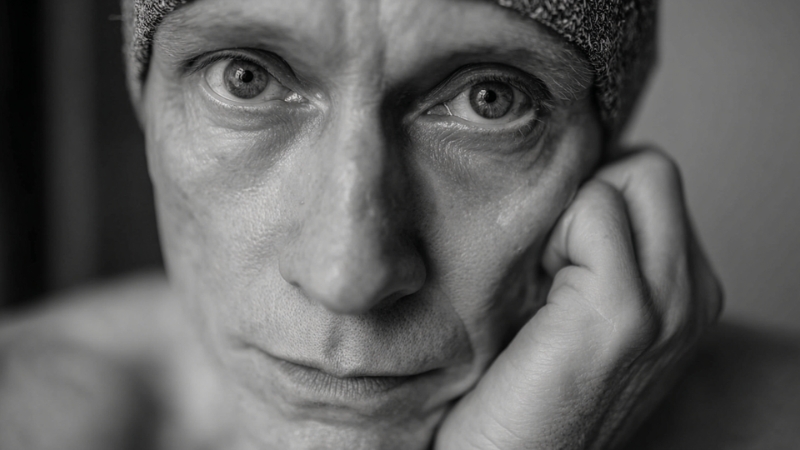
Unlike pandemics or outbreaks, cancer does not arrive with breaking news urgency. There are no sudden lockdowns. No border closures. No daily case dashboards across headlines.
Instead, cancer grows quietly through demographics, infrastructure gaps, and slow policy failures. It is a crisis that moves in decades rather than weeks. That slowness is precisely why it has been allowed to expand so dramatically.
The projections are not shocking to oncologists. They are shocking because the public rarely sees cancer framed as an oncoming global surge rather than a collection of individual tragedies.
This is the crisis we prepared for the least precisely because it felt familiar.
Why Younger People Are Now Part of the Warning
One of the most disturbing trends is a steady rise in cancers among younger adults. In many regions, cancers that were once considered “later in life” diseases are appearing earlier.
For younger patients, the consequences go far beyond health:
- Education is interrupted
- Careers are derailed
- Fertility is threatened
- Financial stability collapses
- Family planning becomes uncertain
Cancer is no longer only a medical diagnosis. It is now a social disruption that affects entire life trajectories.
This generational shift is one reason why projections to 2050 carry so much weight. The future burden of cancer is already forming inside younger populations.
The Infrastructure Gap Is as Dangerous as the Disease
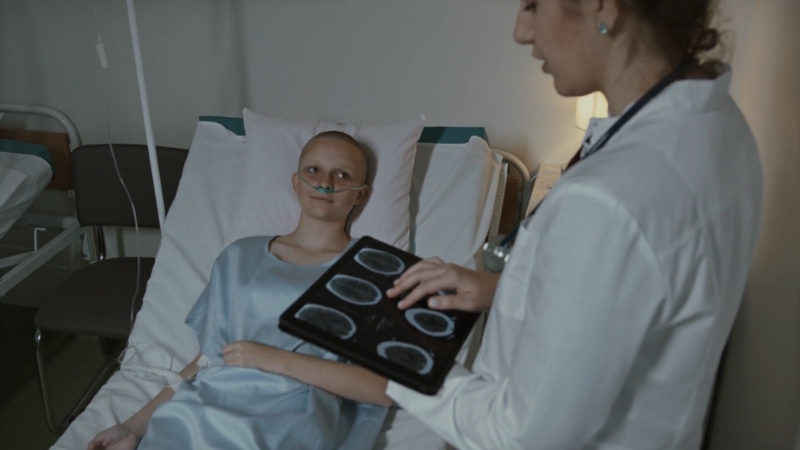
Early cancer detection saves lives. This is not theoretical. Screening programs for breast, cervical, and colorectal cancers reduce mortality dramatically when they are widely deployed.
Yet in much of the world:
- Organized screening barely exists
- Pathology labs are understaffed
- Oncologists are scarce
- Radiation therapy is unavailable outside major cities
- Treatment costs bankrupt families
From a health systems perspective, the crisis is not only that cancer is rising. It is that many countries lack the tools to even measure it properly. Without cancer registries and reliable data, governments cannot track trends or evaluate progress.
You cannot manage what you cannot count.
First-Person Reflection: When the Dataset Stops Feeling Abstract
As someone trained to analyze population-level data, I am supposed to maintain emotional distance. But there was a moment while reading these projections that broke that distance.
At some point, cancer stops looking like a chart and starts looking like dinner tables with empty chairs. It looks like school pickups that never happen. It looks like parents who never make it to retirement. It looks like futures were erased long before their timeline.
The warnings embedded in these projections are not abstract. They point directly to lives that can still be saved if the world acts fast enough.
The Next 25 Years Are a Narrow Window
The most important message from this research is not inevitability. It is urgent.
Between now and 2050:
- Populations will continue aging
- Urban exposure will expand
- Air quality battles will intensify
- Obesity rates will rise in many regions
- Industrialization will spread into vulnerable communities
Without aggressive intervention, the modeled future becomes reality.
With intervention, it does not have to.
Final Reflection
One of the most sobering aspects of long-term health projections is knowing that they will slowly turn into history. The question is not whether 2050 will arrive. It is whether the world will arrive there with twice as many cancer funerals as today.
From both a scientific and human point of view, these projections should not be treated as fate. They are warnings with a buffer period.
We already possess the tools to bend the curve. What remains uncertain is whether global leadership, funding priorities, and public will can move fast enough to use them.