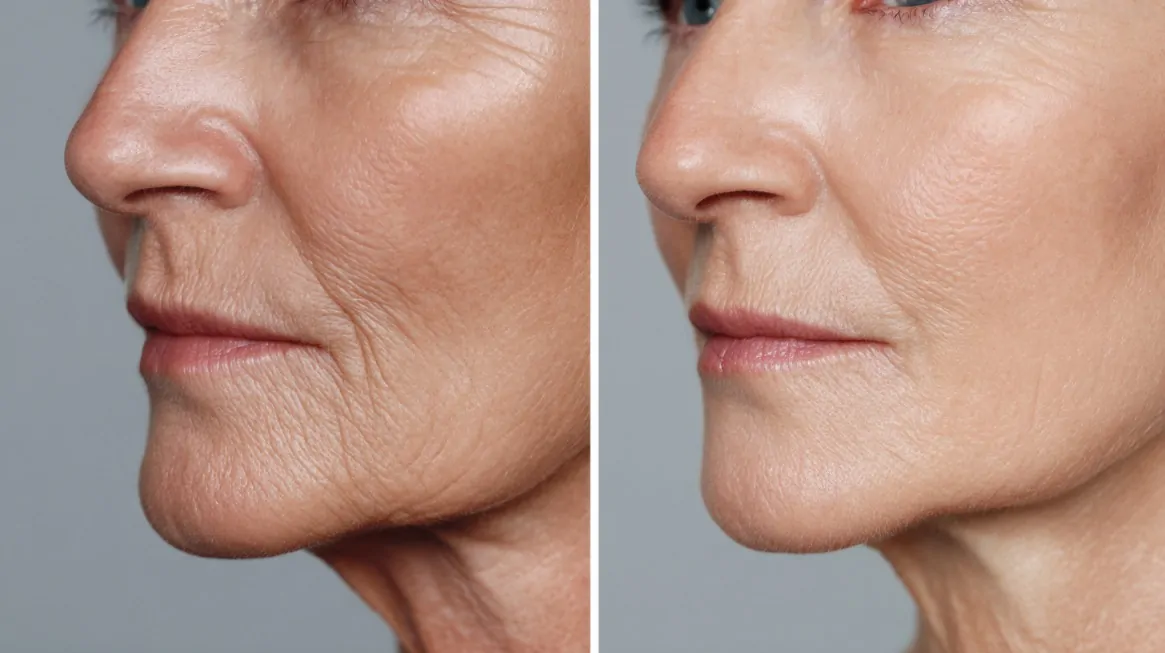
Collagen constitutes 70–80% of the dry weight of human skin. It’s the rope-like protein network in the dermis that gives our faces volume, strength and elasticity. Collagen fibres form a dense, organized scaffold in our twenties; we have thick dermis.
With age, fibroblasts produce less collagen and degrade more due to matrix metalloproteinases (MMPs). Chronologically aged skin shows a 68% reduction in type I procollagen in people over 80 relative to those aged 18–29; overall collagen production declines ~75% according to the NCBI.
A widely cited figure from a dermatology review is that the skin’s collagen content drops about 1 % per year from our mid‑twenties. Certain life stages lead to steeper declines. Women can lose up to 30 % of their skin collagen in the five years after menopause, while dermal thickness decreases about 6 % per decade for both sexes.
Collagen networks are also damaged by ultraviolet radiation, glycation (sugar‑induced cross‑linking), smoking and oxidative stress, meaning that lifestyle choices can influence how quickly we age.
Studies have found discrete biomolecular “clock” transitions around ages 44 and 60, where thousands of molecules including those involved in skin integrity shift dramatically.
On the positive side, decades of research show that targeted interventions,retinoids, peptides, vitamin C, healthy diet, microneedling, exercise and good sleep,can stimulate collagen synthesis or reduce degradation.
Collagen in Your 20s: Laying the Foundation

In your twenties the dermal collagen matrix is at its most robust. Fibroblasts synthesize abundant type I and type III collagen, and the skin’s surface appears smooth and plump. By the mid‑twenties, however, collagen production already begins a slow decline of roughly 1 % per yea
A 1990 histological study showed that total skin thickness decreases about 6 % per decade, starting as early as the twenties. Extrinsic factors set the stage for future aging. Chronic sun exposure generates reactive oxygen species that activate MMP‑1, ‑3 and ‑9 to degrade collagen.
Smoking decreases type I and type III collagen synthesis by 18–22 % and doubles MMP‑8 levels compared with non‑smokers. High‑glycaemic diets promote the formation of advanced glycation end products (AGEs) that cross‑link collagen and elastin fibres, causing them to brown and stiffen and stimulating MMPs.
Collagen in Your 30s: Early Structural Changes

In the thirties collagen decline becomes noticeable but still subtle. The dermal network loses density and elastin fibres become slightly thinner. Oestrogen levels begin to fall in some women, and pregnancy or stress can influence collagen turnover. According to dermatologists, collagen levels drop about 1 % per year, so by age 35 you may have lost roughly 10 % of your baseline collagen.
Glycation and photoaging continue to accumulate; AGEs cross‑link collagen, decreasing skin elasticity. Men experience a more linear decline in skin thickness, with the epidermis thinning at 7.2 % per decade compared with 5.7 % in women. The difference means that by their late thirties men may notice deeper lines and rougher texture.
Collagen in Your 40s: Turning Point and Menopause

The forties mark a turning point: biomolecular analyses show a significant shift in thousands of molecules around age 44. In men the linear decline in thickness continues; in women, oestrogen drop during perimenopause dramatically accelerates collagen loss.
Studies demonstrate that women lose up to 30 % of their skin collagen in the first five years after menopause, then about 2 % per year thereafter.
Declining hormones reduce type III collagen and fibrillin; fibroblasts become less active, and dermal blood supply diminishes. Skin becomes noticeably thinner and drier. Structural volume loss also becomes more visible in areas such as the cheeks, jawline and lips because the dermal matrix that once supported these contours becomes weaker.
In aesthetic dermatology, some treatments aim not only to restore lost volume but also to stimulate the skin’s own repair mechanisms. Deep hyaluronic-acid fillers placed beneath the dermis can create mechanical support that improves tissue tension and indirectly stimulates fibroblast activity. This biomechanical stimulation is important because fibroblasts respond to mechanical forces by increasing collagen synthesis.
In selected cases, practitioners may use options such as revolax sub q in lips when structural support and deeper volumization are required. When placed correctly in the subcutaneous layer, the filler does more than add temporary volume; it helps redistribute pressure within the tissue and improve hydration, both of which contribute to a dermal environment that supports collagen remodeling over time.
This combination of structural support, improved hydration and fibroblast stimulation explains why some modern aesthetic protocols combine collagen-supportive skincare with deeper structural treatments rather than relying on surface treatments alone, so basically it encouragesages your body to produce more collagen than it contains itself.
Chronologically aged skin shows about a 68 % reduction in type I procollagen and a 75 % decline in overall collagen production compared with young adults. Menopausal skin shows decreased hydroxyl‑proline (a collagen biomarker), but oestrogen replacement therapy increases hydroxyl‑proline by 50 %.
Topical retinoids (vitamin A derivatives) stimulate collagen synthesis and inhibit UV‑induced MMPs; 1 % retinol applied for seven days in people aged 80+ increased fibroblast growth and collagen production. Regular moderate exercise (both aerobic and resistance) enhances collagen gene expression (COL1A2, COL3A1) and dermal thickness.
Collagen in Your 50s and Beyond: Mature Skin
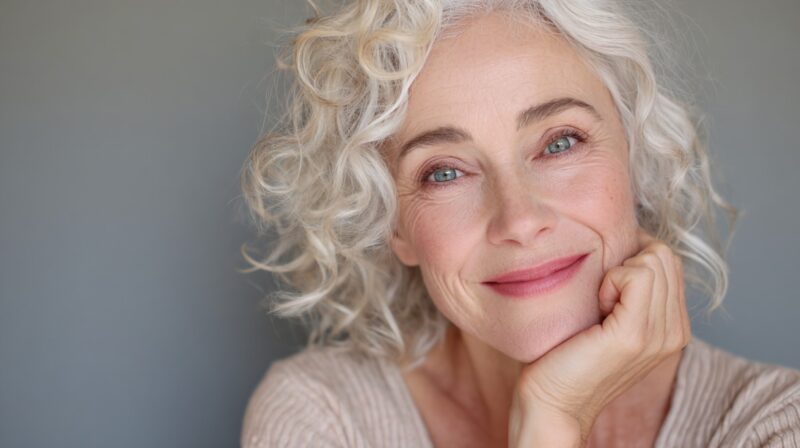
By the fifties and sixties the cumulative losses become pronounced. Total skin thickness has decreased by roughly 30 % relative to young adults. The dermal matrix shows fragmentation of collagen fibrils and elastosis; fibroblast biosynthetic capacity drops 30 % and cell numbers decline 35 %.
Older skin also loses mechanical tension, further reducing collagen production. Sun‑exposed areas may display coarse wrinkles, hyperpigmentation and sagging. Chronic glycation causes collagen fibres to brown and stiffen, and AGEs stimulate MMPs that degrade remaining collagen.
Topical peptides can support the extracellular matrix: palmitoyl pentapeptide‑4 increases type I and III collagen and hyaluronic acid, tripeptide‑10 citrulline regulates fibril organization; and copper tripeptide‑1 stimulates collagen, elastin and glycosaminoglycan synthesis while reducing MMP expression.
Oral hydrolysed collagen supplements further improve hydration and elasticity; a 2023 meta‑analysis of 18 randomised controlled trials reported significant improvements in skin hydration (effect size 0.63) and elasticity (effect size 0.72), with longer durations (> 8 weeks) being more effective.
A 2025 RCT found that daily intake of 1.65 g low‑molecular‑weight collagen peptides reduced wrinkles and increased skin elasticity and hydration within eight weeks.
Ensuring adequate intake of vitamin C and cofactors like copper and zinc is essential because vitamin C is required for prolyl and lysyl hydroxylase enzymes that form mature collagen, and copper acts as a cofactor for lysyl oxidase, enabling cross‑linking of collagen fibres.
Factors That Accelerate Collagen Loss
UV Radiation and Photoaging
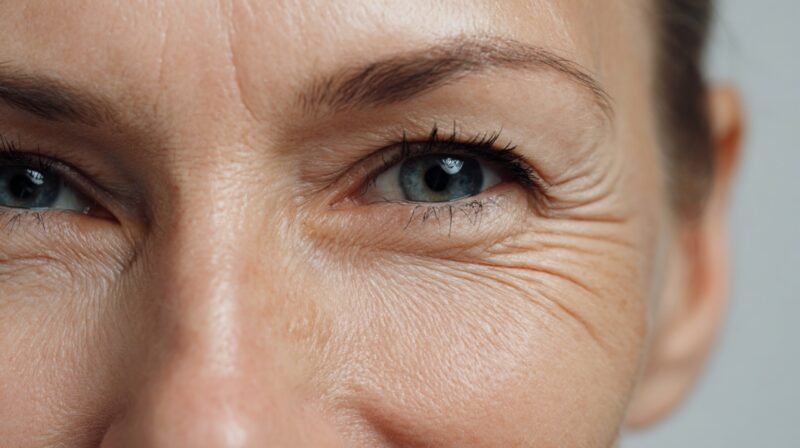
Ultraviolet A1 (UVA1) and UVB radiation generate reactive oxygen species that activate MMP‑1, ‑3, ‑9 and ‑2, which degrade collagen and elastin.
UVA1 rays penetrate the dermis and up‑regulate MMP1 and inflammatory cytokines while down‑regulating COL1A1. Daily broad‑spectrum sunscreen with UVA1 filters reduces MMP gene expression and prevents photoaging; new filters extend protection to 400 nm.
Glycation and Sugar
AGEs from high‑sugar diets and processed foods cross‑link collagen and elastin, causing fibres to brown and stiffen.
Glycation increases MMPs (MMP‑1, MMP‑2, MMP‑9), reduces fibroblast contractility and promotes inflammation, leading to stiffness, loss of elasticity and impaired wound healing. Reducing sugar and limiting exogenous AGEs (browned meats, fried foods) helps protect collagen.
Smoking
Nicotine and tobacco smoke impair skin perfusion and fibroblast activity.
A study comparing smokers with non‑smokers found that type I and III collagen synthesis was reduced by 18 % and 22 % respectively, MMP‑8 levels were doubled, and TIMP‑1 was reduced by 14 %. These changes accelerate wrinkling and thinning.
Sleep and Stress
Sleep deprivation increases inflammatory cytokines and impairs skin barrier recovery. A 2025 review noted that poor sleep reduces collagen production and accelerates ageing; individuals who supplemented with collagen (1–10 g/day) for 4–8 weeks saw better results when sleep quality was good.

Chronic stress elevates cortisol, which down‑regulates collagen synthesis.
Approximate Collagen Decline by Age
| Age range | Physiological collagen status | Key changes/notes |
| 20s | ~100 % baseline, slight decline (~1 %/yr) | Collagen matrix dense; extrinsic factors (sun, smoking, glycation) begin subtle damage. Preventive lifestyle habits crucial. |
| 30s | ~90 % of youthful collagen; linear decline | Epidermal thickness decreases 7.2 %/decade in men, 5.7 % in women; glycation and photoaging accumulate; early fine lines. |
| 40s | Accelerated loss, particularly in women | Biomolecular shift around age 44; perimenopause leads to up to 30 % collagen loss in 5 years; fibroblast activity declines. |
| 50s | ~70 % or less; significant thinning | Dermal thickness decreases ~6 %/decade; collagen production down 75 % in chronologically aged skin; collagen fibrils fragment. |
| 60s+ | ~<60 % of youthful collagen | Fibroblast numbers drop ~35 %; mechanical tension loss further reduces collagen synthesis. Aggressive extrinsic damage (UV, glycation) compounds. |
Conclusion
Collagen is the scaffolding that keeps our skin firm and youthful, yet its production declines naturally from our mid‑twenties and can drop steeply during life transitions such as menopause.
Photodamage, glycation, smoking and stress accelerate this decline, while targeted interventions can slow it.
Scientific studies show that avoiding UV exposure and smoking, eating a nutrient‑rich diet, taking hydrolysed collagen supplements, using topical retinoids and peptides, undergoing procedures like microneedling and maintaining consistent exercise and sleep can all help maintain or rebuild collagen.
Although we cannot stop time, understanding how collagen changes over each decade empowers us to make choices that support healthier, more resilient skin.
Healthy skin and connective tissue are part of broader healthy aging. However, aging also brings other health risks that require attention. For example, falls are one of the most serious threats to older adults’ health and independence.
Read more: Life Expectancy After Falls in the Elderly.