
Concerns that COVID-19 vaccines could harm fertility have circulated widely since the pandemic began, discouraging some women from vaccination.
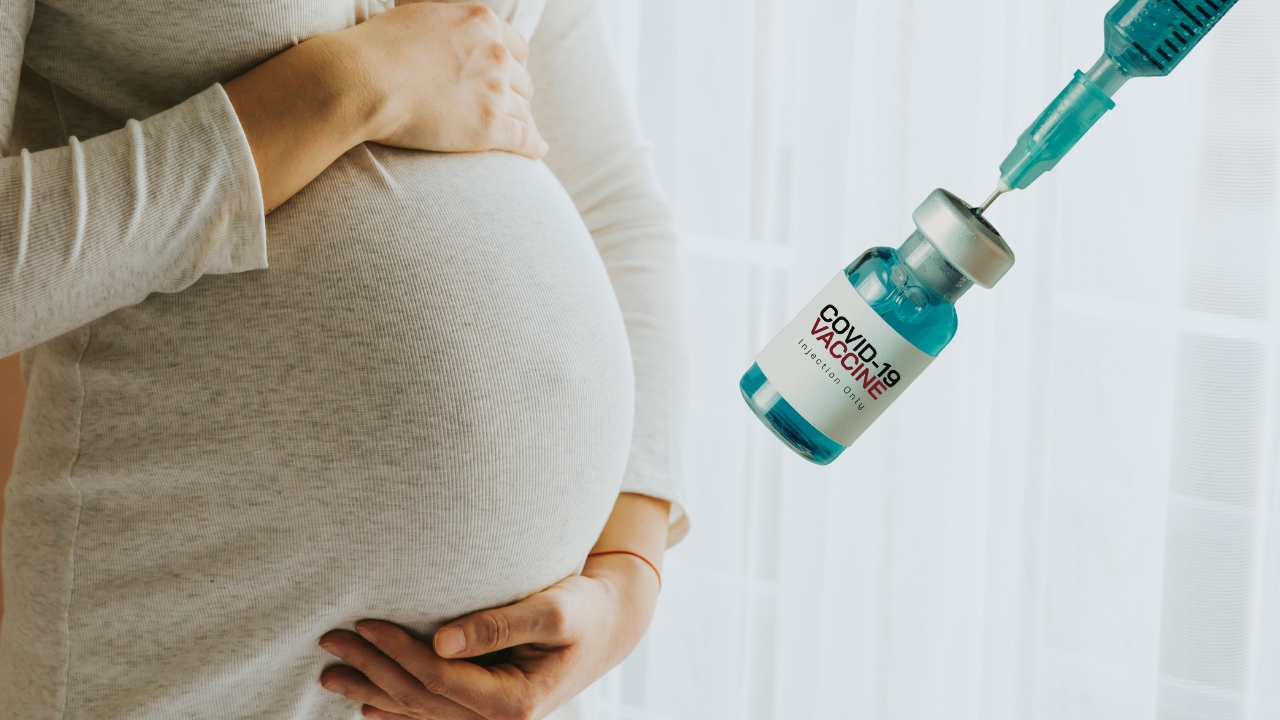
However, a large new Swedish study adds to growing scientific evidence showing no meaningful connection between COVID-19 shots and reduced fertility, miscarriage risk, or childbirth outcomes.
Researchers found no statistically significant differences between vaccinated and unvaccinated women, reinforcing earlier findings that vaccination does not interfere with the ability to conceive or carry a pregnancy.
A Closer Look At The Swedish Research
The study, published recently in Communications Medicine, analyzed health records from nearly 60,000 women aged 18 to 45 in a Swedish county.
Because Sweden maintains comprehensive national health records, researchers were able to examine vaccination status, pregnancies, miscarriages, and childbirth data over several years.
About 75 percent of women included in the study received COVID-19 vaccinations between 2021 and 2024, with 97 percent receiving mRNA vaccines.
Researchers compared pregnancy outcomes between vaccinated and unvaccinated groups while adjusting for factors such as age, preexisting health conditions, and other influences on fertility.
The results showed:
Outcome
Adjusted Hazard Ratio
Interpretation
Childbirth rate
1.03
Slightly higher among vaccinated women, not statistically significant
Miscarriage risk
0.86
Slightly lower among vaccinated women, also not statistically significant
Because these differences were not statistically significant, researchers concluded they could easily be due to chance rather than vaccine effects.
Senior author Toomas Timpka, professor of social medicine and public health at Linköping University, said the data strongly suggest vaccines do not negatively affect fertility.
Findings Consistent With Earlier Research

This study aligns with more than a dozen previous investigations that have reached similar conclusions. Most earlier research focused on couples undergoing fertility treatment, but the Swedish analysis examined the broader general population, strengthening its relevance.
Reproductive immunology expert Viki Male of Imperial College London, who was not involved in the study, noted that the large sample size and detailed adjustments for health variables make the findings particularly robust.
She said the results should reassure women who remain uncertain about vaccination while planning families.
Medical professionals report that fertility concerns remain one of the most common vaccine questions, even years after COVID-19 vaccines first became available.
Vaccination and Pregnancy Safety
View this post on Instagram
Research consistently shows that COVID-19 infection itself poses higher risks for pregnant women compared with non-pregnant individuals. Studies indicate an increased likelihood of hospitalization, complications, and premature birth among infected pregnant women.
A December study published in JAMA found vaccinated pregnant women who later contracted COVID-19 were significantly less likely to require intensive care, hospitalization, or early delivery compared with unvaccinated counterparts.
Epidemiologists emphasize that the protective benefits of vaccination during pregnancy are well supported by accumulating evidence.
Why Fertility Rumors Persist
Despite scientific consensus, misinformation continues to circulate widely online. Experts say fertility fears often spread quickly because they tap into deeply personal concerns about family planning.
Historically, similar claims have targeted other vaccines, including HPV, tetanus, and polio immunizations. Medical researchers note that miscarriages and fertility challenges occur naturally for many reasons unrelated to vaccination, making it easy for misinformation to take hold.
Conflicting public health messaging in recent years has also contributed to uncertainty. Changes in vaccine recommendations, policy debates, and shifting government guidance have sometimes created confusion among the public.
Declining Birth Rates Have Other Causes
Some rumors linking COVID-19 vaccines to falling birth rates gained traction during the pandemic, when many countries experienced noticeable declines in births.
Researchers stress these trends are better explained by social and economic factors.
Pandemic lockdowns, job uncertainty, inflation, and delayed life planning all influenced family decisions. In the United States, birth rates had already been declining for nearly two decades before COVID-19 emerged.
The fertility rate in the U.S. dropped to an all-time low in 2024 with less than 1.6 kids per woman, new federal data shows. https://t.co/9Ovt9u6VC9
— NBC News (@NBCNews) July 24, 2025
The U.S. fertility rate reached a record low in 2024, according to CDC data, but analysts attribute this largely to economic pressures, lifestyle changes, delayed parenthood, and broader demographic shifts rather than vaccination.
Evidence Continues To Build
Researchers say the overall scientific picture is now quite consistent:
Professor Timpka summarized the current consensus clearly, noting that the protective benefits of vaccination against severe disease substantially outweigh any theoretical risks.
The Bottom Line
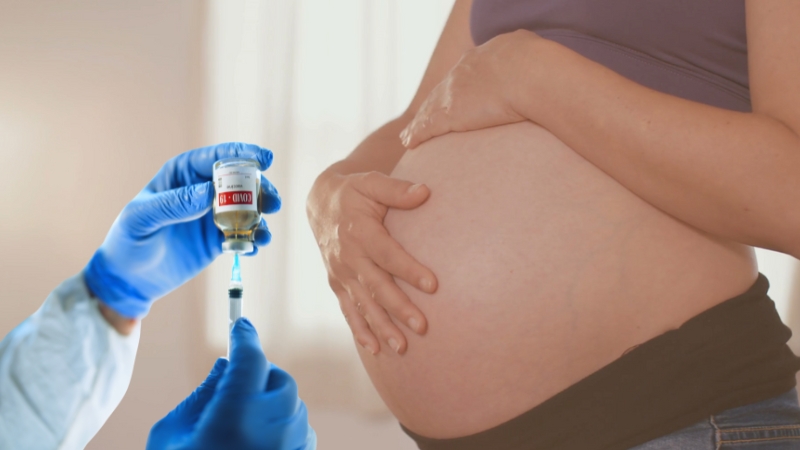
After multiple large studies across different populations, there is no credible scientific evidence that COVID-19 vaccines harm fertility or pregnancy outcomes.
At the same time, infection during pregnancy carries documented risks.
Experts say continued research and clear communication remain essential to counter persistent misinformation and help people make informed health decisions.