
For years, a strange and persistent story has followed Elon Musk wherever his name appears: an emerald mine in Africa that allegedly helped finance his early life and career.
According to his father, Errol Musk, the mine was real, the money was real, and the emeralds played a meaningful role in the family’s finances. Elon Musk, however, insists the story is fiction.
The contradiction has fueled endless debate online and in the media. At its core, the disagreement raises a larger question about success, privilege, and how much early advantages shape legendary careers.
Elon Musk Says the Emerald Mine Never Existed
Elon Musk has repeatedly dismissed the emerald mine narrative as false. He has publicly called it “made-up” and expressed frustration over how often it resurfaces. On social media, he once went as far as offering a reward in Dogecoin to anyone who could prove the mine’s existence.
I don’t have an “emerald mine”, nor was I given free money from anyone, inheritance or otherwise. Ashlee Vance interviewed hundreds of people. Ask him. https://t.co/M63NjiKkw2
— Elon Musk (@elonmusk) July 4, 2020
What complicates the issue is that Musk’s past comments have not always been entirely consistent. Years ago, he made remarks that some interpreted as acknowledging the mine in some form. Today, he firmly rejects that interpretation, arguing that the story has been exaggerated or misunderstood beyond recognition.
For Musk, the persistence of this claim appears to touch a nerve. He has built his public identity around extreme personal risk, long work hours, and repeated near-failures at his companies like Tesla and SpaceX. Any suggestion that his success was underwritten by hidden wealth directly challenges that narrative.
Errol Musk’s Version Tells a Very Different Story
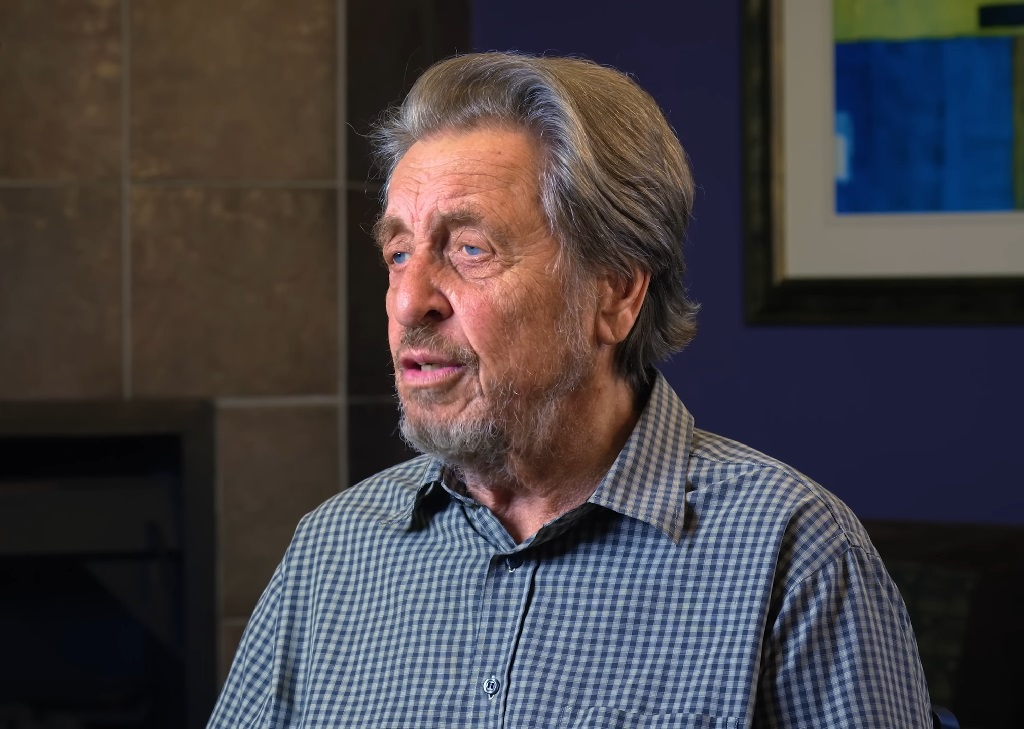
Errol Musk does not back down from his account. He has consistently claimed that the Emerald Operation existed and that his children were aware of it. According to him, emeralds were kept at home and sold informally, generating cash during a turbulent period in southern Africa.
Errol describes acquiring access to the emeralds through a casual deal with an Italian trader in Zambia. There were no contracts, no registered mining company, and no official paperwork. Instead, the arrangement relied on trust, timing, and opportunity during what he describes as a chaotic, loosely regulated era.
This version of events does not resemble a traditional mining business. It sounds closer to a speculative, short-lived venture operating outside formal systems, which may explain why it left so little documentary evidence behind.
Why the Mine Is So Hard to Prove
One reason the debate refuses to die is that Errol’s description does not fit the public’s image of a mine. There were no heavy machines, no clearly defined property boundaries, and no corporate ownership trail. According to him, emeralds were collected from exposed deposits rather than extracted from deep shafts.
In regions experiencing political instability and weak regulatory oversight, informal resource trading was not unusual. Deals were often verbal, and records were minimal or nonexistent. That reality makes verification nearly impossible decades later.
This lack of evidence works in both directions. It makes Errol’s claims difficult to confirm, but it also makes Elon’s denials hard to conclusively prove.
Did Emerald Money Help Elon Musk Early On?
Errol Musk has suggested that proceeds from emerald sales helped support his sons during their early years abroad. Elon Musk attended the University of Pennsylvania, where he studied economics and physics. While Elon reportedly received scholarships, Errol claims that family money helped cover living costs and provided a financial cushion.
If true, this does not mean Elon Musk’s later success was guaranteed or effortless. However, it would suggest that his early adulthood may have been less financially precarious than the popular image of a penniless immigrant entrepreneur implies.
Why This Story Matters So Much
The emerald mine debate persists because it challenges a powerful cultural story. Modern entrepreneurship often celebrates the idea of total self-creation: starting from nothing, taking enormous risks, and winning purely through talent and determination.
Acknowledging early financial support does not erase Elon Musk’s achievements. Building globally dominant companies still requires extraordinary vision and endurance. But the difference between surviving and failing often comes down to whether someone can afford to take repeated risks.
That distinction matters in how society talks about success, fairness, and opportunity.
A Family Story Without a Clean Ending
There is no definitive resolution to the emerald mine saga. No documents have surfaced to fully validate Errol Musk’s claims, and no proof has emerged that definitively disproves them either. What remains is a family disagreement playing out in public, layered with pride, memory, and competing versions of the past.
Whether the emerald mine was a meaningful source of funding, a brief side venture, or an exaggerated legend, the story continues to fascinate because it forces uncomfortable questions about where success really begins.