Florida has now recorded 252 locally acquired dengue cases in 2026, pushing the state past its previous recent record and turning the Tampa Bay area into the center of the largest dengue outbreak seen in the continental United States in decades.
The number that changes the story is not the statewide total alone. Florida has reported 245 travel-associated cases, meaning infections acquired inside the state have now slightly surpassed cases linked to travel abroad. For a disease that has historically reached Florida mainly through infected travelers, that is a major shift.
The latest state data, reported through September 26 and cited by The Associated Press, puts 223 of the 252 locally acquired infections in Hillsborough County, home to Tampa. Florida has also confirmed one dengue death this year, an elderly Tampa woman who died on September 4.
Previous Record was in 2023
The Florida dengue outbreak has already passed the 199 locally acquired cases recorded in 2023. The current total also puts Florida close to the 264 locally acquired infections recorded during the 2015 and 2016 Hawaii outbreak, although Hawaii is not part of the continental United States.
Florida is therefore dealing with something larger than a handful of isolated local transmissions following imported infections. Local cases have been reported in seven counties, with Hillsborough accounting for nearly nine out of every ten.
Pinellas County has reported 13 locally acquired cases, Miami-Dade eight, Orange and Pasco three each, and Palm Beach and Polk one each, according to the latest state figures reported by Florida news outlets.
Hillsborough, Pinellas and Pasco counties have declared local states of emergency. Hillsborough County issued its declaration on September 24, saying the increase in locally acquired dengue required an expanded mosquito-control response.
The Jump in Tampa Has Been Fast
Florida health officials were dealing with only the second confirmed locally acquired dengue case in Hillsborough County at the end of July. By August 12, the county health department had confirmed eight.
The count reached 95 by September 11. Hillsborough officials cited 134 confirmed infections when the local emergency was declared on September 24. The next statewide surveillance update put the county total at 223.
That does not mean 89 people were necessarily infected during a two-day period. Dengue surveillance has reporting delays, and cases can be added after laboratory results and investigations are completed. The CDC specifically warns that its own dengue data can lag behind state and local health department figures.
That lag explains some of the conflicting totals readers may have seen. The Guardian reported 392 Florida cases from CDC data on September 28, when Florida surveillance was already showing higher state totals. The newer Florida figures add up to 497 infections when local and travel-associated cases are combined.
Local Transmission Is Now the Bigger Concern
Florida has long been vulnerable to imported dengue because large numbers of residents and visitors travel between the state, the Caribbean and Latin America. Of the 245 travel-associated cases reported in Florida this year, 201 were linked to travel to Cuba.
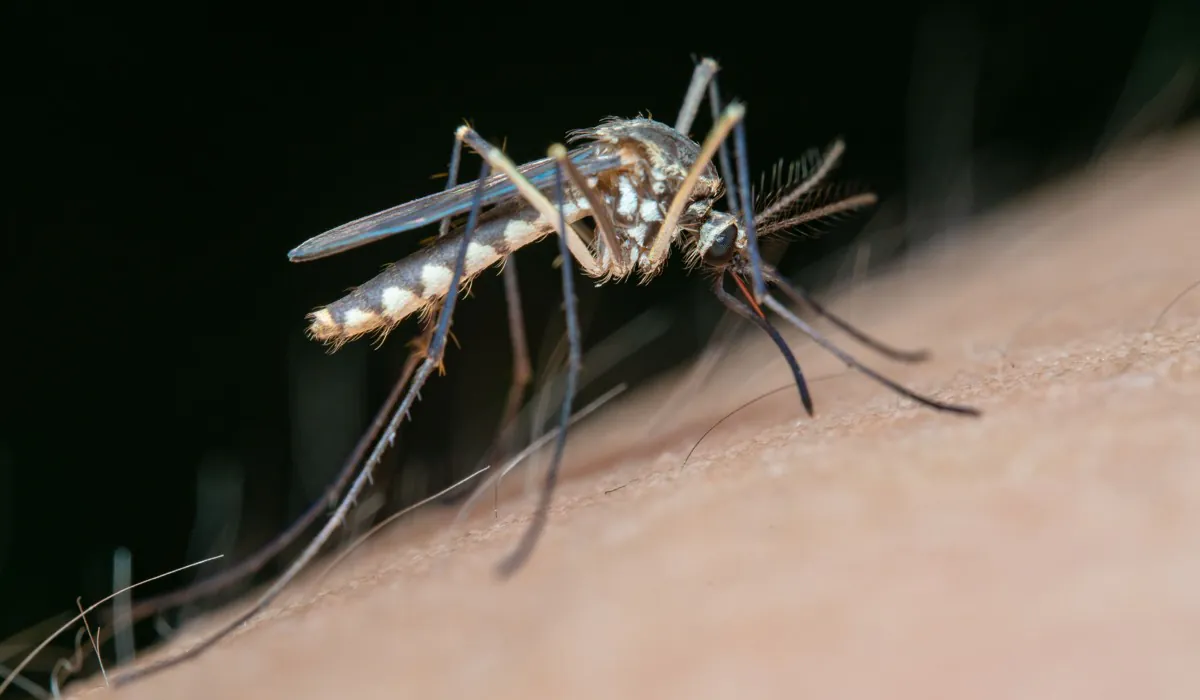
Imported cases become a local problem when an Aedes mosquito bites an infected traveler, picks up the virus and later bites someone else. Both Aedes aegypti and Aedes albopictus, which can transmit dengue, are established in Florida.
CDC researchers warned earlier this year that locally acquired dengue was becoming a larger U.S. concern. A CDC review of 2024 dengue cases found 85 locally acquired cases in Florida that year, spread across 10 counties. Florida also had the highest overall dengue incidence of any U.S. state.
The 2026 total has already reached nearly three times that local count.
Why Tampa Bay Is Seeing So Many Cases Remains Unclear
Experts have not identified one simple reason for the concentration around Tampa. Tulane University mosquito-borne disease expert Dawn Wesson told AP that Florida receives many travelers from places where dengue circulates, but southern Florida has traditionally recorded more dengue than the Tampa area.
Warm temperatures, abundant Aedes mosquitoes and repeated introductions of the virus all create opportunities for local transmission. CDC researchers have also noted that rising temperatures can change mosquito survival, reproduction and geographic range.
The current Florida dengue outbreak is dominated by dengue virus type 2. State surveillance data reported by outbreak trackers identified DENV-2 in 230 of the 252 local cases. Two were identified as DENV-3, with the remaining infections not assigned a type in the available figures.
Florida Is Expanding Mosquito Control
Hillsborough County has increased aerial and ground spraying and brought in outside help. Lee County mosquito-control crews and helicopters were sent to assist the Tampa-area response as the local total climbed.
Officials are also inspecting properties and removing standing water where Aedes mosquitoes lay eggs. Clearwater took a different step in late September by releasing thousands of mosquitofish into local waterways to reduce mosquito larvae.
The CDC has provided Florida with $800,000 in assistance, according to AP. Florida had not requested that CDC disease investigators deploy to the state as of the latest report.
Dengue Symptoms Can Start Days After a Bite
Many dengue infections cause no symptoms. People who do become ill can develop fever, severe headache, pain behind the eyes, muscle and joint pain, nausea, vomiting and rash. The severe body pain associated with some infections is the reason dengue has acquired the nickname “breakbone fever.”
Severe dengue can cause bleeding, shock and organ damage and can become life-threatening quickly. The CDC says current 2026 surveillance remains provisional, so Florida totals can continue to change as new cases are tested and reported.
For Tampa Bay, the most important number now is not the national total. It is the 252 infections acquired inside Florida. Once local transmission exceeds imported cases, dengue is no longer only something health officials watch for in returning travelers. Mosquitoes already in Florida are sustaining a sizeable outbreak of their own.