

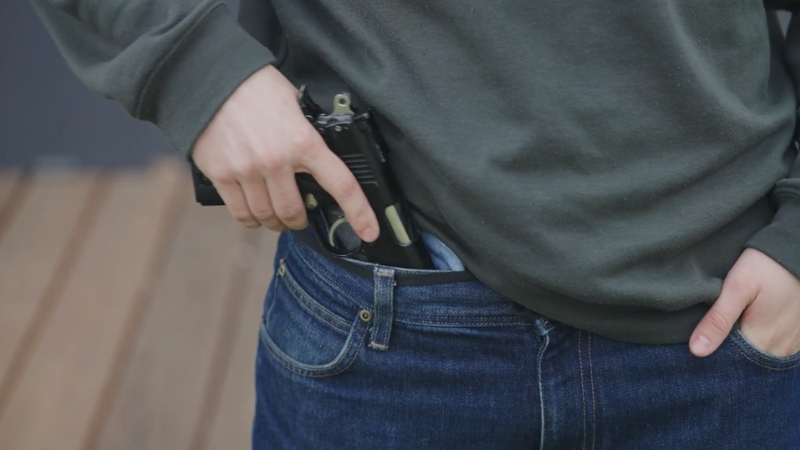
A new wave of research has confirmed a grim milestone: more American children and teenagers now die from firearm-related injuries than from any other cause.
The latest study, published in JAMA Pediatrics (June 2025), finds not only an alarming national trend but also sharp differences among states—differences directly tied to gun policy.
According to the researchers, the strictness or leniency of state firearm laws determines not only the overall child gun death rate, but also the size of racial disparities and the prospects for prevention.
Pediatric Firearm Deaths in the US – Key Figures (2011–2023)
| Category | Expected Deaths (Post-McDonald) | Actual Deaths (Post-McDonald) | Excess Deaths |
| All States (Total) | 17,000 | 23,000 | 6,000 |
| Most Permissive States | — | — | 6,029 |
| Middle Permissiveness | — | — | 1,424 |
What the Study Found: Policy Drives Death Rates

Researchers split states into three groups: “most permissive,” “permissive,” and “strict,” based on state firearm policies, which include safe storage laws, background checks, and Stand Your Ground laws.
- Permissive states saw the largest number of “excess” child and teen firearm deaths—over 6,000 more than expected based on prior trends.
- Strict states (California, Maryland, New York, Rhode Island, Massachusetts, New Jersey, Connecticut, Illinois) had a mix of results: four saw significant decreases, while two (Illinois, Connecticut) saw increases; two others saw no statistically significant change.
“We found 6,029 excess deaths in the most permissive states, compared with the number expected if states had kept pre-2010 policies,” said Dr. Jeremy Faust, lead study author and ER physician at Brigham and Women’s Hospital in Boston.
Changes in Child Firearm Death Rates by State Category
State Group
Rate Before McDonald
Rate After McDonald
Trend
Most Permissive (e.g., LA)
4.1 / 100,000
5.7 / 100,000
Highest increase
Permissive
Varies
In most states
Up in all but 4 states
Strict (CA, NY, MD, RI)
Varies
Down in 4 of 8
Significant decrease
Black Children Hit Hardest: Widening Racial Gaps
One of the study’s most urgent findings: Black children and teens face the steepest increase in firearm deaths in states with loose gun laws. While all children are at greater risk in permissive states, the rate for non-Hispanic Black youths rose disproportionately, deepening America’s racial health gap.
“These are completely preventable deaths,” said Dr. Marie Crandall, a trauma surgeon in Cleveland who was not involved in the study but has spent decades treating young victims of gun violence. “We know as a society there are things we could do to de-escalate.”
The Role of Policy: What Works and What Doesn’t
View this post on Instagram
The data points to specific laws that can make a measurable difference. States with safe storage laws, universal background checks, and stricter regulations consistently show lower rates of child firearm deaths. Where such laws are absent or recently repealed, rates climb.
State Law Examples and Pediatric Firearm Death Trends
State
Key Policy Changes Since 2010
Rate Change
Notable Details
Louisiana
Permitless carry, no safe storage law
+1.6 / 100,000
Highest child gun death rate
South Carolina
No background checks, loose carry laws
+1.6 / 100,000
Large increase post-2010
California
Maintained strict laws
Decrease
Significant drop in deaths
New York
Maintained strict laws
Decrease
Significant drop in deaths
Illinois
Mixed, handgun ban struck down
Increase
Affected by McDonald decision
Ohio
Loosened carry laws
+1.2 / 100,000
Rate rose from 1.6 to 2.8
Expert Voices: It’s a Public Health Problem, Not Just Politics
Experts interviewed for the study and subsequent reports stress that gun violence is a leading—and preventable—public health crisis. Yet, as Dr. Faust notes, official health reports have often sidestepped or omitted firearms as a child health threat.
“It’s hard to take them seriously if they’re omitting the leading cause of death,” Faust told [source].
Dr. Chethan Sathya, a pediatric trauma surgeon and head of Northwell Health’s Center for Gun Violence Prevention, argues that US society has reduced childhood deaths in the past—think car seat laws, tobacco education, or pool fencing—through data-driven, nonpartisan action. He urges a similar public health approach for gun deaths.
The Debate in State Capitols: Safe Storage Laws and Cultural Barriers
Why are secure storage laws so important?
In the United States, gun death rates among children 1-17 have increased by 106% since 2013 and gun violence has been the leading cause of death among this group since 2020.https://t.co/NaOazzDXrp
— John Feinblatt (@JohnFeinblatt) September 17, 2024
The report highlights how legislation around gun storage and access often meets fierce resistance. In Louisiana, recent attempts to mandate safe storage failed, even as the state led the nation in child firearm deaths and unintentional shootings by children.
Supporters point to the need to protect children, while opponents cite gun rights and the need for quick self-defense access.
“If it’s behind a locked drawer, how in the world are you going to protect your family if somebody intrudes?” asked Rep. Troy Romero, reflecting a common concern.
Advocates like Michelle Bell, who lost her son to gun violence in Cleveland and founded the support group M-PAC Cleveland, argue for a broader community and cultural shift. “It’s just so tragic that the No. 1 cause of death for children 18 and under is gun violence,” Bell says.
Community and Hospital-Based Prevention Efforts
Intervention Type
Description
Reported Outcome
Hospital-based programs
Connect victims/families to services
Fewer repeat injuries, NYC model
Community groups (e.g. M-PAC)
Support, education, safe storage advocacy
Long-term support, prevention
School partnerships
Share impact stories, conflict resolution
Early intervention, awareness
What’s Next: A Public Health Approach to Saving Young Lives

The consensus among researchers and medical professionals is clear: data-driven, enforceable policy saves lives. That means strengthening child access prevention, background checks, and safe storage laws, paired with education and community programs.
But as recent legislative battles show, policy alone isn’t enough. Experts call for a shift in American culture around gun ownership, safety, and what it means to protect children at home and in their communities.
“We have to apply a public health framework to this issue, not a political one,” said Dr. Sathya. “There’s no question that this is a public health issue.”