
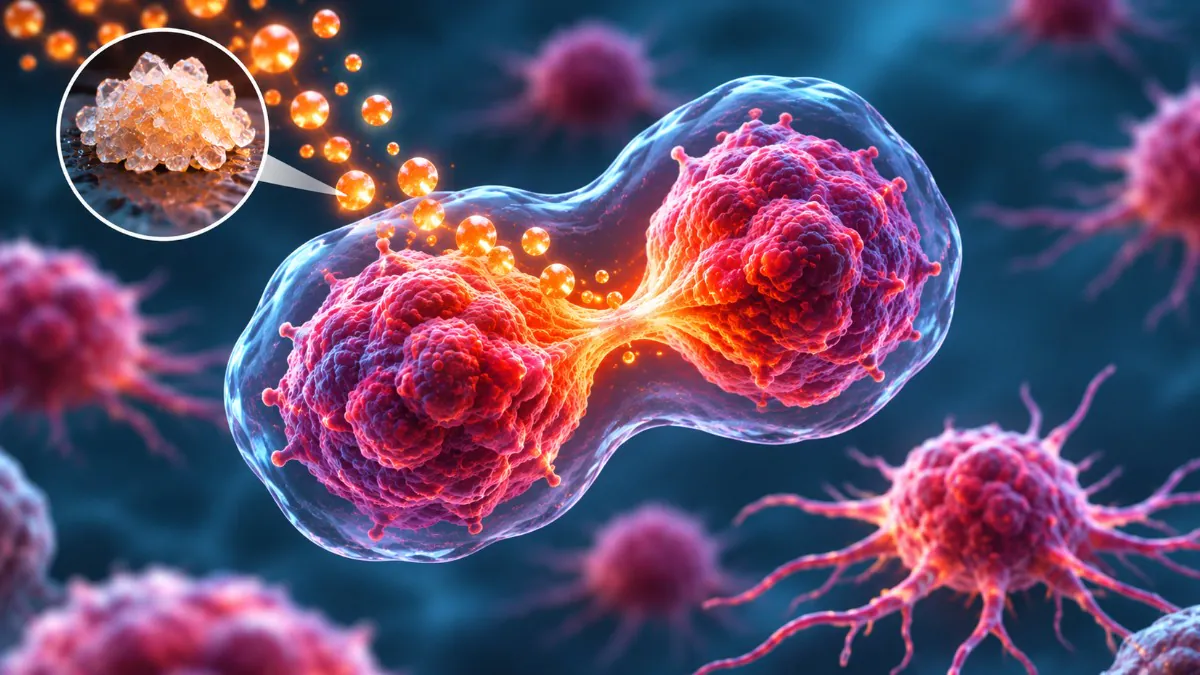
Fructose is a common type of sugar found in fruit, honey, table sugar and many sweetened foods and drinks. Scientists have now found another reason to study it closely. New research suggests fructose may help certain cancer cells break away from a tumor and spread to other parts of the body.
Researchers also have evidence that fructose can help some tumors grow, even when the cancer cells do not consume the sugar directly.
The findings are concerning, but there is an important limit. The strongest evidence comes from laboratory and animal experiments. Scientists have not proved that eating fructose makes cancer spread in people, or that avoiding it improves cancer treatment.
Scientists Found That Fructose May Help Cancer Cells Break Away
Researchers at the Wistar Institute in Philadelphia were studying what happens to cancer cells after chemotherapy.
Chemotherapy is designed to kill cancer cells or stop them from multiplying. But some cells survive treatment. They may stop dividing and still remain active, releasing substances that affect nearby cells.
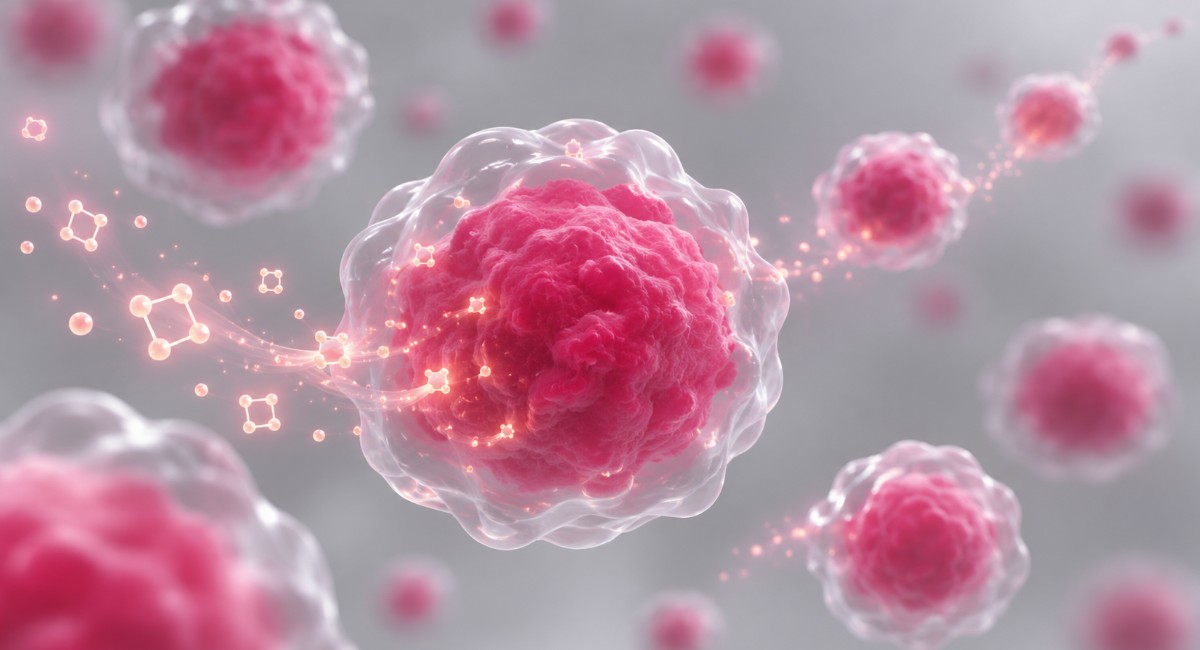
The research team examined an aggressive form of ovarian cancer. They found that some cells surviving chemotherapy released fructose into their surroundings.
Nearby cancer cells responded by becoming less tightly attached to one another.
In the study published in Nature Aging, researchers identified fructose as one of the substances involved in this process. Their experiments showed that it could help cancer cells detach, an important step before cancer spreads.
Scientists call the spread of cancer to another location metastasis. It is one of the main reasons advanced cancers become difficult to treat.
Fructose Appears to Weaken the Connections Between Cancer Cells
Cancer cells do not simply float away from a tumor whenever they receive extra sugar. They are normally held together by connections between their outer surfaces.
The researchers found that fructose affected cholesterol inside the membranes surrounding neighboring cancer cells.
Cholesterol has a useful job there. It helps maintain the structure of cell membranes and supports the connections between cells.
In the experiments, fructose interfered with the process cells use to produce cholesterol. As cholesterol levels in their membranes fell, the cancer cells became less firmly attached.
Some could then separate more easily.
The Wistar team believes this may help explain why cancer cells that survive chemotherapy can influence the behavior of other tumor cells, even after they have stopped multiplying themselves.
Mice Given More Fructose Developed More Signs of Cancer Spread
The scientists also tested the findings in mice.
Some animals received fructose in their drinking water. Others received glucose, another common sugar, for comparison.
The mice receiving fructose developed more cancer deposits at different locations in the abdominal cavity under the experimental conditions.
The researchers also examined blood samples from people with the same type of ovarian cancer. Patients with higher circulating fructose levels were more likely to have advanced disease when diagnosed, even after the researchers accounted for age and body mass index.
That human finding adds interest to the laboratory results, but it does not establish cause and effect. The study did not show that consuming fructose caused those patients to develop more advanced cancer.
It also did not measure how much faster cancer spread in people consuming different amounts of sugar.
Earlier Research Found Another Way Fructose Could Feed Tumors
The Wistar findings are not the first evidence linking fructose to cancer behavior.
Researchers at Washington University in St. Louis previously found that fructose helped several types of tumors grow in animal experiments. Their work included models of skin, breast and cervical cancers.
But the scientists discovered something unexpected. Some cancer cells could not use fructose directly because they lacked the enzyme needed to break it down.
The liver did the work instead.
It processed fructose and produced certain fats that cancer cells could absorb. Tumors used those fats to build new cell membranes, which they need as they grow and divide.
The National Cancer Institute explained that the findings could eventually help researchers develop treatments targeting the way tumors obtain nutrients.
The two research projects describe different processes. One found a possible way fructose supports tumor growth. The other identified a way it may help cancer cells loosen their connections and spread.
Neither has established that reducing fructose intake will slow cancer in humans.
Does This Mean Fruit Is Dangerous?

No. The research does not justify avoiding fruit.
Fructose is naturally present in apples, pears, berries and many other fruits. Whole fruit also contains fiber, water and nutrients. Eating an apple is not the same as drinking a large serving of sweetened soda.
Sugary drinks, including sweet tea and soda, can contain substantial amounts of added sugar without the fiber found in whole fruit.
Limiting added sugar has recognized health benefits, including helping people manage excess calorie intake. But the new cancer research does not tell us how much dietary fructose would be necessary to affect tumor behavior in humans.
It also does not establish that removing fructose from the diet would prevent cancer cells from spreading.
People receiving cancer treatment should discuss major dietary changes with their medical team, especially if their appetite or nutritional intake has already been affected by treatment.
Researchers Also Found a Possible Link With Cholesterol Drugs
The cholesterol finding raised another question about medicines called statins.
Statins lower cholesterol production and are widely prescribed to reduce the risk of heart attacks and strokes.
In laboratory experiments, the Wistar researchers found that certain statins also reduced the connections holding cancer cells together.
However, the researchers have not shown that statins increase cancer spread in patients. Their findings do not establish that cholesterol-lowering treatment interferes with chemotherapy.
There is already extensive clinical evidence on statin benefits and side effects, including their ability to protect people at risk of cardiovascular disease.
People taking prescribed statins should not stop treatment because of these early laboratory findings.
Can Scientists Use the Discovery to Improve Cancer Treatment?
Researchers are now interested in finding ways to interfere with the processes that allow fructose to affect cancer cells.
The Wistar experiments identified proteins involved in fructose metabolism and the changes to cell membranes. Blocking parts of these processes reduced cancer spread in experimental models.
Future studies will need to establish if similar effects occur in patients and if treatments targeting fructose metabolism improve survival or reduce cancer recurrence.
Scientists also need to determine how dietary fructose, fructose produced inside the body and cancer treatments interact.
For now, the discovery provides a possible explanation for how some cancer cells help neighboring cells become more dangerous after chemotherapy. It gives researchers another target to investigate, but it is not yet evidence that changing what patients eat will stop cancer from spreading.