

Melatonin is a natural hormone best known for regulating the sleep-wake cycle.
Many people also use melatonin supplements as a sleep aid, especially when dealing with insomnia, jet lag, or disrupted sleep schedules.
Recent research suggests that melatonin may offer another benefit. Findings indicate that it may modestly reduce chronic musculoskeletal pain affecting muscles, bones, joints, tendons, and ligaments.
Musculoskeletal pain affects as many as 47% of people worldwide.
High prevalence, recurring symptoms, and concerns linked to long-term pain medication use have increased interest in affordable options with a favorable short-term safety profile.
What the Study Found
View this post on Instagram
Researchers reviewed 23 randomized clinical trials involving 2,028 adults in several countries.
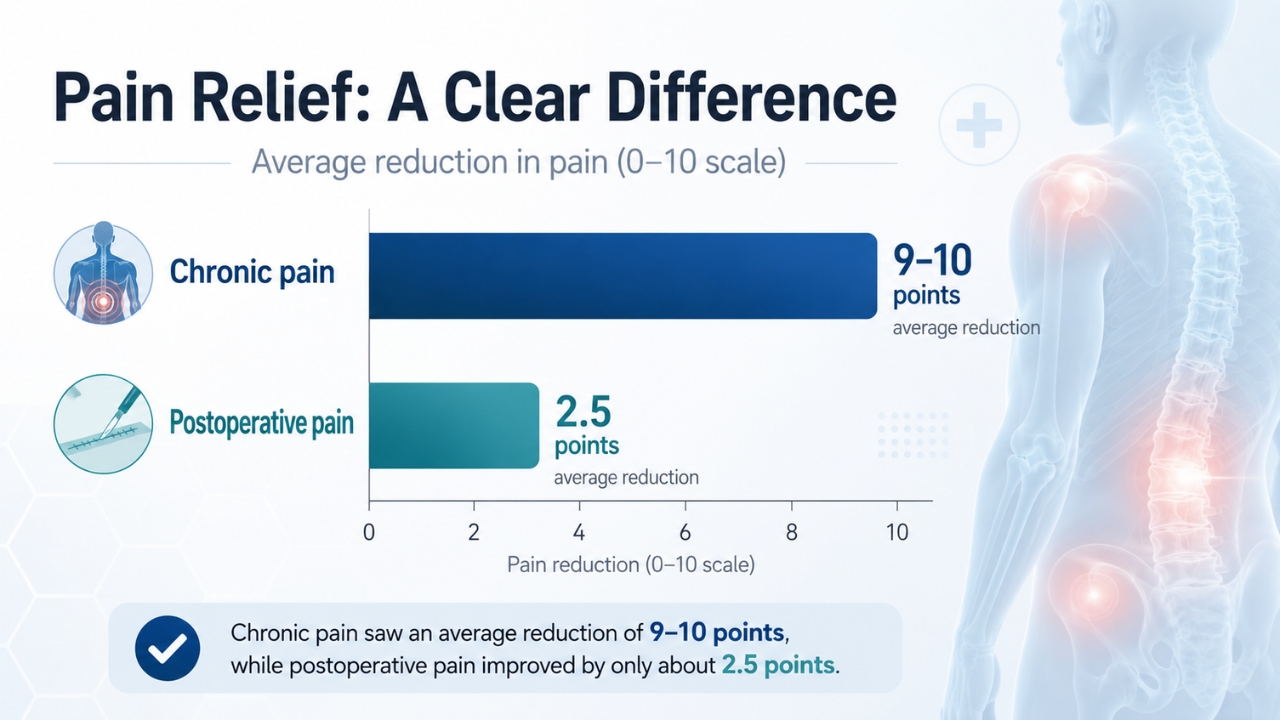
Across chronic-pain trials, melatonin reduced pain scores by an average of about nine points on a 100-point scale. More rigorous trials reported reductions closer to 10 points. Such an improvement falls within the range reported for some opioids, nonsteroidal anti-inflammatory drugs, and acetaminophen. Direct superiority was not established, however, because researchers did not prove that melatonin worked better than those medications. Sleep quality also improved among people living with chronic pain. Such findings matter because poor sleep can intensify pain, lower pain tolerance, and make daily symptoms harder to manage. Postoperative results were far less convincing. Melatonin did not produce a meaningful improvement in pain or sleep after surgery. One analysis found an average pain reduction of only about 2.5 points on a 100-point scale. Results point to a noticeable difference between the two main settings studied: Overall, results suggest that melatonin may have more value for ongoing musculoskeletal conditions than for short-term pain after an operation. Improved sleep may partly explain the reduction in chronic pain. Restful sleep affects several systems involved in pain perception, including stress regulation, muscle recovery, mood, and sensitivity to physical discomfort. Poor sleep can make pain feel stronger and reduce a person’s ability to cope with recurring symptoms. Interrupted or insufficient sleep may also increase fatigue, limit physical activity, and make everyday movement more difficult. People dealing with both insomnia and chronic musculoskeletal pain may gain the most practical benefit. Better sleep may not remove the cause of pain, but it can reduce several factors that intensify discomfort and interfere with daily function. Melatonin may also affect pain through biological processes unrelated to sleep. Possible antioxidant and anti-inflammatory properties could limit cellular stress, reduce inflammatory activity, and influence the signals that carry pain through the nervous system. Interest in noninvasive approaches to pain and recovery also extends to light-based devices. People researching such products can compare wavelengths, warranties, return policies, and other specifications at https://redlighttherapytop10.com/best-red-light-therapy-panels. Some researchers also suspect that melatonin may affect pain-processing pathways in the brain and spinal cord. Such effects could help explain why benefits were observed in several chronic pain conditions, although current evidence cannot confirm a precise mechanism. Current findings do not show exactly how much each process contributes. More research is needed to determine if pain relief mainly results through better sleep, direct biological effects, or a combination of both. Certainty of the evidence was rated low to moderate. Most reported improvements also failed to reach the threshold normally considered clinically important, even when statistical differences were detected. Researchers also did not consistently separate participants with existing sleep problems and those without them. As a result, available findings cannot confirm if insomnia changes how strongly melatonin affects chronic pain. Dosages varied considerably across studies. Chronic-pain trials generally used between 3 and 10 milligrams. A 3-milligram dose taken at bedtime or within an hour before sleep appeared most often. Dose findings did not produce a clear treatment pattern: Larger trials with longer follow-up periods are still needed. Direct comparisons with standard pain medications would also help determine how melatonin performs against commonly used treatments. Long-term safety is less certain because most studies lasted only a few weeks or months. Children were not included, so findings should not be applied to younger patients. Melatonin should be viewed as an additional option rather than a replacement for established care. Exercise, physical therapy, appropriate medication, weight management, and treatment of an underlying condition may still play important roles. Professional advice is especially important in several situations: Anyone considering regular melatonin use should speak with a healthcare professional first. Melatonin shows promise as an inexpensive option that may modestly reduce chronic muscle and joint pain while improving sleep quality. Benefits appear more relevant for chronic musculoskeletal conditions than for pain following surgery. Average reductions were similar in size to those reported for some conventional pain treatments, but current evidence is not strong enough to support melatonin as a stand-alone pain reliever. Future research may clarify who benefits most, how long treatment should last, and which dose offers the best balance between effectiveness and safety.
Why Melatonin May Help

Limitations

Safety and Practical Advice
Reported side effects included nausea, dizziness, and headaches. Overall frequency was similar among participants taking a placebo.
Closing Thoughts