


Hyaluronic acid (HA) is generally safe for most people when used correctly, whether in skincare, supplements, eye drops, joint injections, or cosmetic fillers.
The level of risk depends strongly on how it is used: topical products have very low risk, oral supplements are usually well tolerated but less regulated, medical injections carry moderate procedural risks, and cosmetic fillers, while widely used, can rarely cause serious complications if injected incorrectly.
The molecule itself is naturally present in the human body, which is one reason tolerance is typically high, but safety always depends on formulation, purity, and administration method.
What Hyaluronic Acid Actually Is

Hyaluronic acid (HA) is a glycosaminoglycan, a long-chain sugar molecule, found naturally throughout the body. About 50 percent of total body HA resides in the skin, where it helps maintain hydration, elasticity, and barrier function.
Concentrations also exist in synovial fluid of joints, vitreous humor in the eye, connective tissue matrices, and wound healing environments.
Key biological functions:
Production decreases with age. Research shows skin HA levels begin declining in early adulthood and can drop significantly by age 50–60, contributing to dryness and reduced elasticity.
Main Benefits Supported By Research
Skin Hydration and Cosmetic Dermatology
The strongest scientific support relates to hydration improvement. Hyaluronic acid functions primarily as a humectant, meaning it draws moisture into the skin surface.
Clinical studies consistently show measurable increases in skin hydration after regular use. Some trials report hydration improvements exceeding one hundred percent shortly after application, with sustained improvement after several weeks.
These effects lead to smoother texture and softer fine lines caused by dehydration. However, the improvement is functional rather than structural.
Hyaluronic acid does not rebuild collagen in a meaningful way, so it should not be viewed as a stand alone anti aging solution.
Typical Skin Effects
Joint Lubrication and Osteoarthritis Relief
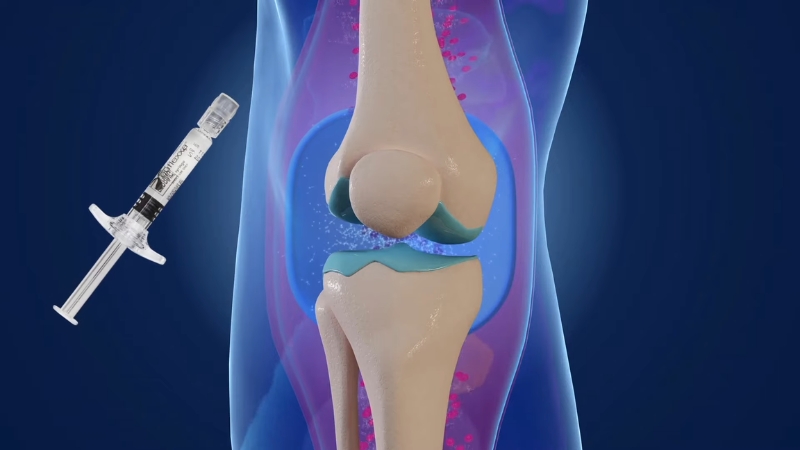
Hyaluronic acid injections are sometimes used for osteoarthritis, particularly in the knee. The goal is to restore viscosity in synovial fluid, which helps joints move smoothly.
Some patients experience pain reduction lasting several months, especially in early disease stages. However, research findings vary.
Several orthopedic guidelines highlight inconsistent clinical benefit. Some recommend limited or selective use rather than routine treatment. The injections may help certain patients, but they do not reverse cartilage damage or cure osteoarthritis.
Expected Outcomes from Joint Injections
Aspect
Typical outcome
Pain relief
Small to moderate improvement
Mobility
Variable improvement
Duration of effect
Weeks to several months
Structural repair
Not proven
Procedural risks remain low but include temporary swelling, stiffness, or injection site discomfort.
Injectable Hyaluronic Acid in Aesthetic Medicine
When hyaluronic acid is injected as a dermal filler, it restores lost volume, enhances contours, and softens wrinkles. Millions of procedures are performed each year globally. One reason for its popularity is reversibility; if necessary, hyaluronidase can dissolve the filler.
However, injection carries risks. Most complications are mild, including swelling, bruising, and tenderness that resolve within days or weeks.
Rare complications include vascular occlusion, which can lead to tissue damage or visual impairment if not treated promptly. These serious events are uncommon but underscore the importance of choosing an experienced medical professional.
Patients often compare hyaluronic acid fillers with other injectable skin treatments, such as polynucleotide-based skin boosters. In discussions about rejuran hb price, cost differences frequently arise because Rejuran HB contains polynucleotides combined with hyaluronic acid and lidocaine, while traditional HA fillers are purely volume-based.
Prices vary by region, clinic expertise, and product type, but understanding the distinction between structural fillers and regenerative skin boosters helps patients make informed decisions.
Cosmetic Dermal Fillers
View this post on Instagram
Hyaluronic acid fillers are among the most commonly performed non-surgical cosmetic procedures globally. They are used to restore facial volume, enhance lips, and soften wrinkles.
One major advantage is reversibility. If necessary, the enzyme hyaluronidase can dissolve the filler.
Most side effects are mild and short-lived. Swelling, bruising, and tenderness typically resolve within days or weeks.
However, rare complications such as vascular occlusion can occur if filler enters a blood vessel. These complications depend heavily on injector expertise and proper anatomical knowledge.
Common vs Rare Filler Reactions
Reaction type
Examples
Common
Swelling, bruising, tenderness
Less common
Lumps, asymmetry
Rare serious
Vascular compromise, skin necrosis, and visual complications
Choosing an experienced medical professional significantly reduces risk.
Oral Supplements and Additional Medical Uses
Hyaluronic acid supplements are marketed for joint health and skin hydration. Studies generally show good tolerance, although benefits tend to be modest compared with topical or injectable treatments. Supplement regulation varies globally, so product quality can differ.
Medical uses extend beyond cosmetics and joints. Hyaluronic acid appears in:
Safety remains favorable in regulated medical applications.
Side Effects By Type of Use

Topical Skincare
Topical hyaluronic acid rarely causes significant problems. Most reactions stem from other ingredients in the formulation rather than the molecule itself. People with sensitive skin may experience mild irritation or breakouts depending on product composition.
Typical topical reactions include:
Severe allergy is uncommon.
Oral Supplements
Supplements are generally well tolerated. Mild digestive discomfort can occur, but serious reactions are rare. Quality control remains the main concern rather than toxicity.
Potential issues include:
Joint Injections

Injection-related side effects usually involve the injection site rather than systemic effects.
Common short-term reactions include:
Rare inflammatory flare reactions can occur and should be evaluated promptly.
Dermal Fillers
Fillers carry the most complex risk profile because they involve tissue injection.
Most common effects:
Rare serious complications include vascular occlusion, skin tissue damage, and visual complications. These remain uncommon but highlight the importance of qualified medical providers.
Who Should Avoid Hyaluronic Acid?

Avoidance depends on the specific form of hyaluronic acid use. Cosmetic dermal fillers should generally be avoided by individuals with active skin infections, severe allergy history, bleeding disorders, or known lidocaine allergy if the filler contains an anesthetic.
Pregnancy and breastfeeding are often treated as precautionary situations due to limited safety data.
Joint injections should not be performed if infection is suspected in the joint or surrounding tissue. Individuals with known hypersensitivity to a specific formulation should avoid that product.
Topical products rarely require strict avoidance, though people with reactive skin conditions benefit from patch testing. Oral supplements should be approached cautiously when product quality cannot be verified or when complex medical conditions are present.
Common Misconceptions
One misconception is that hyaluronic acid rebuilds collagen. Its main role is hydration, not structural regeneration.
Another misunderstanding is that natural substances cannot cause problems. Even naturally occurring molecules can cause reactions depending on dose, purity, or administration method.
Some consumers also assume all hyaluronic acid products are identical. Molecular weight, formulation, concentration, and delivery method significantly influence results.
Final Perspective
@drivenbybeauty @Dr Daniel Barrett I make an admission in this video of something I learned in practice. Hyaluronic acid has a place and it has helped my patients with wound healing post surgery. Every skin condition I manage is using it. I have even applied it after stiches have been removed and then a silicone gel. It makes a world of difference just give it a try. Why the size of Hyaluronic acid makes a difference in the skin. #hyaluronicacid #skincaretip #dermatology #sciencebasedskincare #skincareroutine #skincarescience ♬ Billie Eilish – Bad Guy (Remix) – 林怿
Hyaluronic acid remains one of the safest and most versatile biomolecules in modern dermatology and medicine. Its compatibility with human tissue explains its widespread use. Topical products are low risk and effective for hydration.
Joint injections offer mixed results and should be individualized. Cosmetic fillers provide strong aesthetic outcomes but require expert technique.