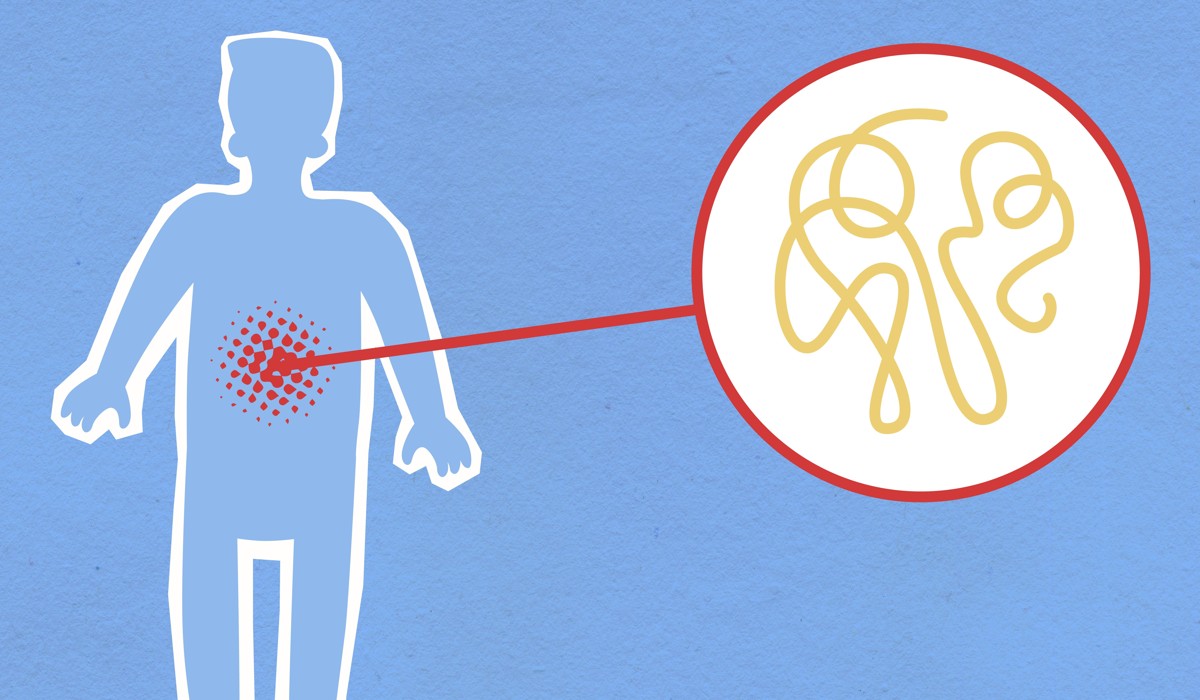


People often assume the hardest drugs to quit are the ones with the worst physical withdrawal.
Tremors, vomiting, sweating, insomnia, pain, and seizures can make detox look like the main challenge.
Quitting is more complicated. Physical dependence means the body has adapted to a substance and reacts when use stops.
Psychological addiction means the mind relies on the substance for relief, pleasure, confidence, sleep, stress control, identity, or emotional survival.
Whether quitting is harder or easier depends on one key question: is the struggle physical, psychological, or both?
Physical Withdrawal Can Make Some Drugs Harder to Quit

Physical withdrawal can make quitting dangerous, not just uncomfortable.
Some substances affect the nervous system, sleep, digestion, mood, heart rate, blood pressure, and seizure risk when use stops.
Alcohol, benzodiazepines, opioids, and barbiturates often need extra caution. Heavy or long-term use may require medical detox, tapering, or close monitoring.
Heavy or long-term use may require medical detox, tapering, or close monitoring.
Programs such as Soba Recovery focus on supervised detox for people who are physically dependent on drugs or alcohol, with medical assessment, personalized detox protocols, medication management, and ongoing monitoring during withdrawal.
Physical Withdrawal Can Be Medically Dangerous
Physical dependence happens when repeated substance use changes brain chemistry and body function.
Substance use disorder is also widespread in the U.S., which makes safe withdrawal care a major public health issue.
📊 #DYK?: About 17% of people 12 years old and older had a substance use disorder in 2023. #NSDUH
Check out more important data in the 2023 National Survey on Drug Use and Health (NSDUH) report ➡️ https://t.co/CoTMOYgGvq pic.twitter.com/RJZeunS4JP
— SAMHSA (@samhsagov) March 31, 2025
NIDA reports that 48.5 million people aged 12 or older, or 17.1% of that age group, had a substance use disorder in the past year based on 2023 national survey data. After use stops, the body tries to rebalance, which can trigger withdrawal.
After use stops, the body tries to rebalance, which can trigger withdrawal.
Severity depends on the substance, dose, frequency, duration of use, genetics, health, and personal history. Physical dependence can also develop without a person noticing it, especially with repeated alcohol use or long-term prescription drug use. Some substances are harder to quit physically because withdrawal can be severe, risky, or intensely distressing. Alcohol and benzodiazepines carry major medical risks in some cases. Opioid withdrawal can be extremely painful and can increase relapse risk. Alcohol can create strong physical and psychological dependence. Heavy or long-term use can make sudden quitting dangerous. Medical supervision may be needed for people with heavy use, long drinking histories, prior seizures, or serious health problems. Alcohol is also psychologically difficult because it is tied to social comfort, stress relief, emotional numbing, celebration, sleep, and routine. Detox may stabilize the body, but recovery still has to address triggers and habits. Latest research suggest that a popular weight-loss treatment, known as GLP-1, may help in fighting addiction. Long-term use can create physical dependence. Abrupt stopping can cause severe anxiety rebound, insomnia, panic, agitation, tremors, confusion, and seizures. Because of that risk, tapering is often needed. Benzodiazepines can also create psychological dependence. A person may believe they cannot sleep, work, socialize, or manage panic without the medication. Fear of anxiety returning can become one of the hardest parts of quitting. Opioids include heroin, fentanyl, oxycodone, hydrocodone, morphine, and related pain medications. Withdrawal is often painful and distressing, even when medical danger differs compared with alcohol or benzodiazepines. Prescription opioid use can cause dependence without addiction. A person taking opioids as prescribed for months may have withdrawal symptoms after stopping without compulsive drug-seeking behavior. Opioids become especially hard to quit when physical withdrawal combines with cravings, fear of withdrawal, emotional relief, and reward-system changes. Mental obsession can continue after tolerance drops. Psychological addiction can last longer than physical withdrawal. A person may no longer have acute detox symptoms, yet still feel pulled toward the substance because the brain remembers relief, pleasure, confidence, escape, or comfort. Mental dependence can also affect identity. A person may believe they need the substance to relax, sleep, socialize, work, or cope. Physical withdrawal often peaks and fades over days or weeks. Psychological cravings can last months or years. Detox may address the body, but it does not erase emotional associations. Repeated use can teach the brain to link a substance with feeling okay. Over time, quitting may feel like losing a coping tool. Physical detox may last one to two weeks in many cases, based on substance type and personal health. Psychological recovery often takes longer because stress, conflict, boredom, grief, loneliness, and social pressure can still trigger cravings. Psychological triggers can appear through feelings, places, people, memories, routines, or identity. Some can appear unexpectedly, even years into recovery. Environmental triggers can include bars, parties, certain friends, music, neighborhoods, payday, or social media. A person may feel stable until one cue brings back old urges. Identity triggers are harder because they shape self-image. Examples include “I’m only fun when I use,” “I can’t relax without it,” or “I’m not myself without it.” Mental health can strengthen psychological dependence. Depression, anxiety, trauma, chronic stress, and undiagnosed ADHD can make substance use feel like symptom relief. Quitting can feel threatening when a person fears losing the only tool that seemed to help. Some drugs do not usually cause the most dangerous physical withdrawal, but they can still be hard to quit. Cravings, mood crashes, low pleasure, habit loops, and emotional reliance can keep use going. Cocaine, methamphetamine, cannabis, and nicotine show how a lower medical withdrawal risk does not mean easy recovery. Cocaine usually does not cause the same medically dangerous withdrawal pattern as alcohol or benzodiazepines. Still, cocaine addiction can be severe because psychological dependence can be intense. Stopping cocaine may cause depression, fatigue, irritability, sleep changes, low pleasure, restlessness, and strong cravings. Cocaine affects reward and pleasure systems, so normal activities may feel flat during early recovery. Cravings may return around money, nightlife, certain friends, stress, or confidence-related situations. Lower physical withdrawal risk does not mean lower relapse risk. Methamphetamine and other stimulants often create powerful psychological dependence. Acute withdrawal may not look like alcohol withdrawal, but the emotional crash can be severe. Recovery often means rebuilding sleep, appetite, work habits, mood, focus, and reward without the drug. Emotional flatness and cravings can pull someone back into use even after acute withdrawal has passed. Cannabis withdrawal is often milder physically than withdrawal linked to alcohol, opioids, or benzodiazepines. Symptoms can include irritability, sleep problems, appetite changes, anxiety, restlessness, and cravings. Cannabis may be easier physically for many people, but daily use can make it psychologically difficult. Nicotine is physically and psychologically addictive. Physical withdrawal can cause irritability, headaches, restlessness, sleep issues, trouble focusing, and cravings. Nicotine is difficult because triggers repeat constantly. A person may quit in the morning and face several cue-based cravings before lunch. Body cravings and daily habits reinforce each other. Easier or harder to quit depends on the type of dependence involved. Physical dependence can make quitting dangerous in the short term. Psychological addiction can make staying quit difficult in the long term. Hardest substances often combine both forms of dependence. Recovery works best when it treats the body, brain, behavior, emotions, environment, and support system.
These Are the Substances That Are Harder to Quit Physically
1. Alcohol
2. Benzodiazepines
Benzodiazepines include Xanax, Valium, Ativan, and Klonopin. Doctors may prescribe them for anxiety, panic, insomnia, muscle tension, or seizures.3. Opioids

Why Psychological Addiction Can Make Some Drugs Harder to Quit in the Long Term
Mental Dependence Can Last Longer Than Physical Withdrawal
Psychological Triggers Are More Complex

Drugs That May Be Harder Psychologically Than Physically

Cocaine
Methamphetamine and Other Stimulants

Cannabis and Marijuana
Nicotine

Summary