


For decades, the daily shower has been seen as a symbol of cleanliness and good habits. But dermatologists are now urging adults over 65 to rethink this long-standing ritual, warning that it may be doing more harm than good.
New clinical guidance from experts in the United States and Europe is challenging cultural expectations around hygiene and introducing a gentler approach designed to protect aging skin.
The concern isn’t about cleanliness itself. It’s about whether older skin can handle the same level of washing it once tolerated. As dermatologists increasingly point out, the body changes with age, yet our routines rarely change with it.
A growing number of specialists say the standard full-body, soap-heavy shower every single day is unnecessary for older adults and may even accelerate skin problems. Instead, they are encouraging a more strategic form of hygiene that preserves the skin’s natural defenses while still maintaining good personal care.
Across dermatology clinics, the message is becoming consistent: as the skin ages, the rules must adapt.
Why Experts Say Older Adults Should Rethink Daily Showers
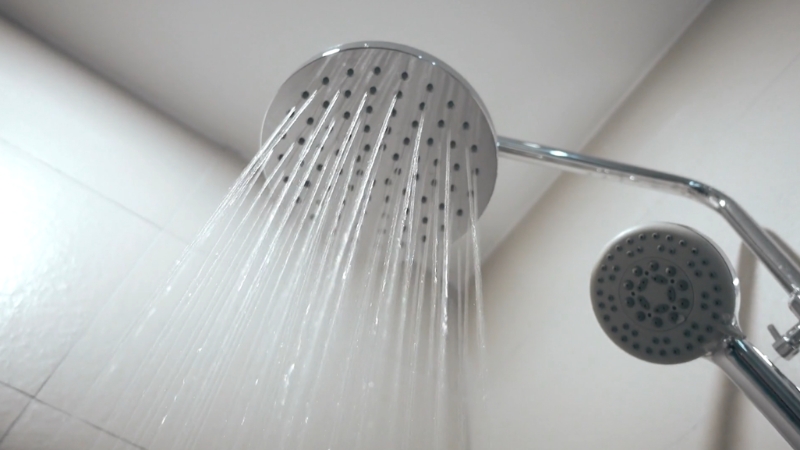
Health professionals in both regions now commonly advise limiting full-body showers to about twice per week and using soap more sparingly, no more than every third day. On the days in between, they recommend rinsing with water and washing only areas prone to moisture and odor, such as the armpits, groin, and feet.
This shift reflects what researchers already know about the biology of aging skin. Over time, the skin becomes thinner, loses elasticity, and produces fewer protective oils.
The natural hydrolipidic film protective blend of water and lipids weakens, leaving older adults more vulnerable to irritation, cracking, and infection. Hot water, deodorant soaps, and vigorous scrubbing all speed up that breakdown.
One French dermatologist explained the issue succinctly, noting that older skin “pulls and itches more than in younger people,” making it far more reactive to the very cleansing routines many seniors still consider necessary.
The Science Behind Washing Less, Not More
View this post on Instagram
Medical experts in the U.S. echo these concerns. A report from Harvard Health Publishing points out that the daily shower is largely cultural, not medical. Dr. Robert Shmerling, one of the physicians cited, argues that for most people, showering every day is “more about habit and societal norms than actual health benefits.”
The skin’s microbiome, a diverse and delicate population of beneficial microorganisms pl plays a central role in this new understanding of hygiene. When older adults cleanse aggressively, they strip away the oils and microbes that help the skin stay balanced and defend itself.
Disrupted microbiomes can lead to dryness, inflammation, microscopic cracks, and ultimately higher susceptibility to infection.
The consequences extend beyond discomfort. Excessively dry or irritated skin can interfere with sleep, mobility, and overall quality of life. In severe cases, these cracks in the skin barrier become pathways for bacteria and fungi, raising the risk of more serious complications.
There’s also an overlooked immune element. Dermatologists emphasize that everyday exposure to common microbes helps maintain immune resilience. Over-washing, especially when antibacterial soaps are involved, may reduce that natural low-level exposure and subtly weaken the body’s defenses.
A More Skin-Friendly Routine for Healthy Aging
The new recommendations are not about abandoning hygiene, but about updating it. For seniors, dermatologists suggest shorter, cooler showers, mild lipid-rich cleansers, and immediate moisturization afterward.
Even simple changes, such as gently patting the skin dry instead of rubbing it, can help preserve the protective barrier.
What emerges is a more measured, biology-informed approach: washing strategically rather than reflexively. Specialists say these habits can significantly reduce itching, flaking, and irritation while supporting the skin’s ability to heal and defend itself.
For many older adults, adopting this method has already led to noticeable improvements. Dermatologists report fewer flare-ups of eczema, fewer infections, and less reliance on medicated creams, all without sacrificing hygiene.
Cultural Expectations vs. Medical Reality
@sarajanehoWhen I left Hong Kong for US boarding school I noticed that all my American dorm mates showered in the morning after waking up while I was showering before bed. In Asian cultures night showers are about washing away the day’s energy and going to sleep clean and calm – and keeping bedding clean. Morning showers in the West are all about starting fresh, alert, and ready to face the day. Now I do both 🫣 Listen to the full conversation on Mind Your Manners podcast – this new episode just dropped “Night Peeing? BO? Cravings? Here’s What You’re Missing”
The idea of showering less often may feel counterintuitive to people who grew up in countries like the United States or Australia, where daily bathing is ingrained as a social norm. But globally, hygiene habits vary widely. In China, many people bathe only twice a week, and there is no evidence that this contributes to poorer health outcomes.
Much of the insistence on daily showers can be traced back not to medicine, but to marketing. Personal-care campaigns dating back to the mid-20th century promoted repeated washing to sell more soap and shampoo, embedding the practice into cultural expectations.
The famous instruction to “lather, rinse, repeat” was a commercial slogan, not a dermatological guideline.
Now, as scientific understanding deepens, dermatologists argue that moderation may do far more for long-term skin health than vigorous daily scrubbing ever could.
A New Standard for an Aging Population

As the global population ages, concerns about skin health are becoming more prominent. Dermatologists note that skin-related discomfort is a major quality-of-life issue among older adults and a common reason for clinical visits.
Because aging skin is more fragile, preserving its protective mechanisms is increasingly seen as essential, not optional.
The emerging consensus is clear: good hygiene is still important, but the methods must evolve. A balanced, gentler routine may ultimately help older adults stay more comfortable, avoid complications, and protect their skin for years longer.