


Listening to music for roughly 20 to 30 minutes per day, including the commonly cited 24-minute window, can measurably reduce stress and anxiety for many people,, according to SciTech.
Clinical research shows consistent effects such as lower cortisol levels, reduced heart rate, improved emotional regulation, and moderate anxiety symptom improvement.
This does not replace therapy or medication when needed, but it represents a simple, evidence-supported daily habit that can contribute to mental well-being when practiced consistently.
Why Music Has A Real Psychological Effect
Music influences the brain through several interconnected biological systems. Auditory processing areas communicate directly with regions responsible for emotion, memory, and autonomic nervous system regulation. That connection explains why music can rapidly change mood, reduce perceived stress, and even affect physical tension.
One of the most studied mechanisms involves cortisol, the primary stress hormone. Elevated cortisol is linked to chronic anxiety, sleep disruption, fatigue, and impaired cognitive performance.
Controlled studies show that structured listening sessions, especially calm or emotionally positive music, can lower cortisol after only one session. Repeated sessions appear to compound that effect.
Music also triggers dopamine release, a neurotransmitter associated with reward and motivation. Dopamine activity can counter negative emotional states and improve mood stability.
That response is similar to effects seen in exercise, meditation, or social interaction, although generally milder.
The nervous system response is equally important. Slow rhythmic music tends to synchronize breathing and heart rate patterns, encouraging parasympathetic nervous system activation, which promotes relaxation and recovery.
Evidence From Recent Studies
A new study by TMU psychology professor Frank A. Russo and PhD student Danielle Mullen found that listening to just 24 minutes of specially-designed music can significantly reduce anxiety. https://t.co/EXKa2eoWs6
— Toronto Metropolitan University Alumni (@alumnitmu) February 23, 2026
Recent clinical trials examining structured music listening report measurable reductions in both physical and psychological anxiety symptoms.
One study identified approximately 24 minutes as an effective listening duration, particularly when the music included relaxation-focused elements such as steady tempo, minimal dynamic variation, and predictable harmonic structure.
Earlier meta-analyses support similar findings. Many report consistent anxiety reduction from sessions lasting between 20 and 30 minutes. Shorter listening periods can help, but effects tend to be less reliable or less sustained.
Research Snapshot
Study Focus
Typical Listening Time
Reported Effect
Clinical anxiety trials
20–30 minutes
Reduced anxiety scores
Cortisol reduction studies
15–30 minutes
Lower stress hormone levels
Sleep quality studies
30 minutes before sleep
Improved sleep onset
Workplace stress research
20 minutes
Lower perceived stress
These outcomes are moderate rather than dramatic. Music helps regulate stress, but usually does not eliminate clinical anxiety on its own.
What Types Of Music Work Best

Research consistently shows that personal preference matters more than genre labels. A piece of music perceived as calming by one person may feel irritating or boring to another.
Emotional familiarity enhances relaxation responses.
That said, certain musical characteristics are repeatedly associated with stress reduction:
Musical Characteristic
Typical Effect
Slow tempo (60–80 BPM)
Reduced heart rate and tension
Predictable rhythm
Stabilized breathing patterns
Minimal lyrical complexity
Lower cognitive load
Soft dynamic range
Reduced physiological arousal
Instrumental music often performs slightly better in anxiety studies because lyrics can trigger emotional or cognitive reactions. However, familiar songs with positive associations can produce strong calming effects despite their lyrics.
Mental Health And When Professional Support Matters
Music is helpful, but not a universal solution. Individuals experiencing persistent anxiety, trauma, substance recovery challenges, or severe stress often benefit from professional treatment alongside lifestyle strategies.
Many treatment programs incorporate complementary relaxation methods, including structured music therapy, mindfulness, and behavioral counseling. Resources such as elevaterecoveryma.com highlight how integrated recovery approaches often combine psychological therapy with stress-regulation techniques rather than relying on a single intervention.
This context is important because headlines sometimes oversimplify research findings. Music helps regulate stress responses but does not replace clinical care when symptoms significantly affect daily functioning.
Psychological Benefits Beyond Anxiety Reduction
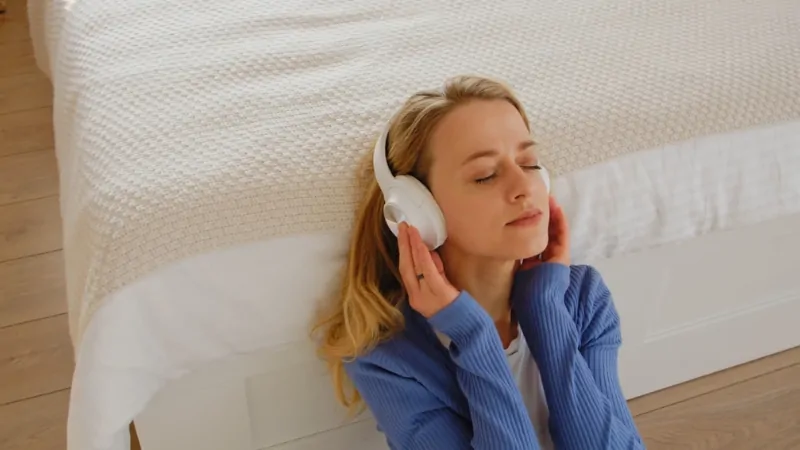
Music listening is not only about stress relief. Longitudinal studies show broader mental health benefits when listening becomes a routine practice.
Regular listeners often report improved emotional resilience. This means stressful events still occur, but recovery tends to happen faster. Music can function as an emotional reset, helping individuals transition between work stress and personal time more smoothly.
Another frequently observed benefit is sleep quality improvement. Many people use music as part of bedtime routines. Studies show slower sleep onset and reduced nighttime awakenings when calming music precedes sleep.
Cognitive benefits also appear in workplace research. Background music during repetitive tasks can improve concentration, reduce mental fatigue, and enhance perceived productivity. However, complex tasks requiring intense concentration may suffer if music is distracting.
Physiological Effects Documented In Research
Music influences measurable physical markers linked to stress and anxiety. These include heart rate variability, blood pressure, muscle tension, and hormone levels.
Physiological Impact Summary
Physiological Marker
Effect Of Relaxing Music
Cortisol levels
Often reduced
Heart rate
Slight decrease
Blood pressure
Mild reduction
Muscle tension
Lower perceived tension
Breathing patterns
Slower and more regular
These changes contribute to subjective feelings of calmness. They are generally mild but consistent across studies.
When Music Helps Most
@kyleinspires Your brain is wired differently. The people who feel music physically recover from stress faster. #goosebumps #music #brain #neuroscience #emotion ♬ original sound – Kyle Cox
Music appears particularly effective during predictable stress periods. Examples include commuting, post-work decompression, pre-sleep routines, or recovery after emotionally demanding events.
Consistency seems more important than intensity. A daily 20–30 minute session produces better results than occasional long listening sessions.
Focused listening tends to outperform passive background listening. Sitting comfortably, closing eyes, and actively engaging with the music increases relaxation effects.
Environmental context also matters. Quiet surroundings, comfortable posture, and minimal interruptions enhance outcomes.
Limitations And Misinterpretations
Media coverage often exaggerates findings. Listening to music daily does not guarantee the elimination of anxiety disorders, depression, or chronic stress conditions. Research supports improvement, not a cure.
Individual variability is substantial. Personality, cultural background, mental health status, and musical taste influence results.
Some studies show minimal effect when participants dislike the selected music. Forced listening reduces benefits and may increase irritation.
Research also varies in methodology. Different studies use different anxiety scales, listening conditions, and music types, which complicates comparisons.
Practical Evidence-Based Listening Strategy

A realistic approach based on research findings includes:
These conditions maximize potential benefit without requiring specialized therapy programs.
Music therapy conducted by trained professionals can provide stronger effects for clinical anxiety, trauma, or severe stress conditions. Every day listening is complementary rather than a replacement.
Broader Mental Health Context
Music works best as part of a broader stress management strategy that may include:
When combined with these factors, music can become a reliable emotional regulation tool.
Importantly, the low cost, accessibility, and minimal risk make it one of the easiest interventions to implement daily.
Bottom Line
View this post on Instagram
Scientific evidence supports the idea that around 24 minutes of daily music listening can contribute to lower stress and anxiety levels, mainly through hormonal regulation, nervous system calming, and emotional processing effects.
Benefits are typically moderate but consistent when listening becomes a routine habit. Effectiveness depends on personal preference, listening environment, and consistency. Music functions best as a supportive mental wellness tool rather than a standalone treatment for serious anxiety disorders.