

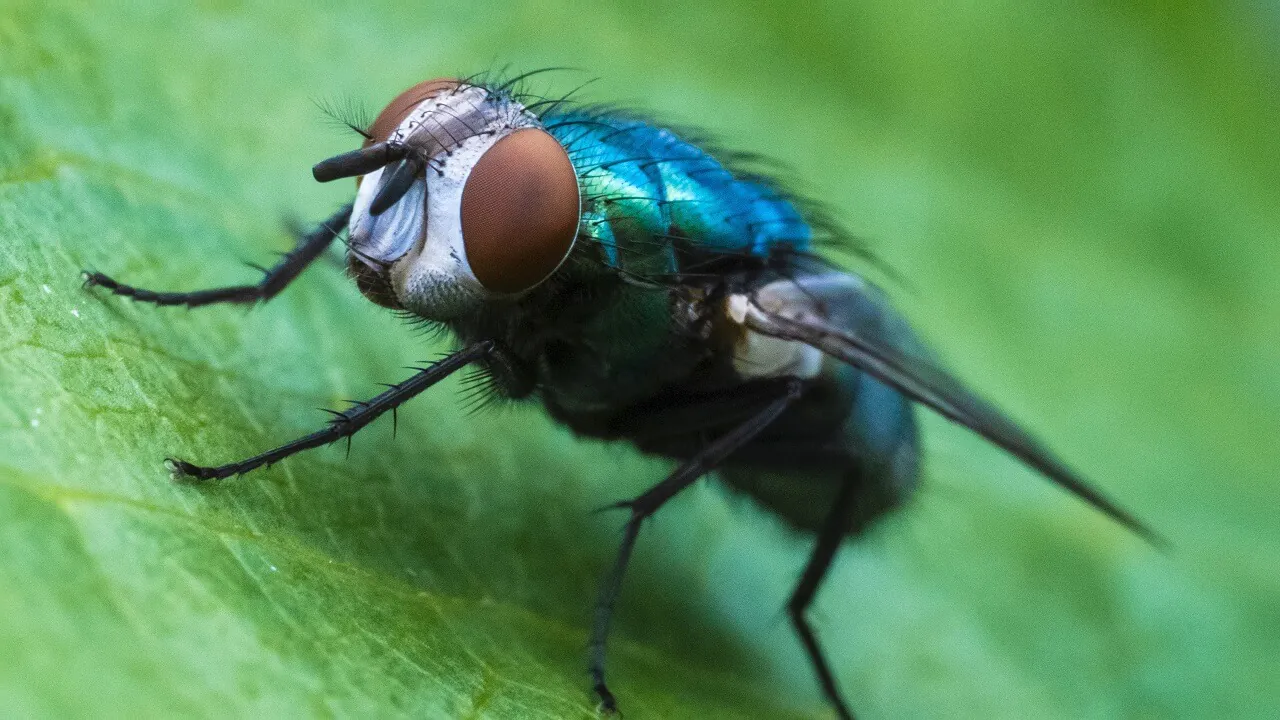
New World screwworm has been detected in Mexico just 25 miles from the U.S. border, putting Texas ranchers, veterinarians and federal animal health officials on alert for a pest the United States eradicated decades ago.
The latest confirmed case was found in a 5-year-old goat in Coahuila, Mexico, according to CBS News, citing USDA data. Coahuila borders southwest Texas, and the detection is the closest confirmed New World screwworm case to U.S. soil since federal and state monitoring began tracking the current Mexico threat.
USDA and CDC both stress one important point: the New World screwworm fly has not been detected in the United States. The USDA current status page says New World screwworm is not currently present in the United States, and the CDC June 2 situation summary says there are no U.S. cases of New World screwworm.
What Changed At The Border
The new concern is distance. For months, officials had been watching the pest move north through Central America and Mexico. A case 25 miles from the border changes the tone of the response because it places the outbreak close enough for Texas ranchers to treat the threat as immediate, even without a confirmed U.S. detection.
The confusion around the distance also needed correction. The Texas Tribune reported that U.S. Agriculture Secretary Brooke Rollins rejected a Texas lawmaker claim that screwworm was only one mile from the border. Rollins said the correct figure was 25 miles, warning that false information can cause panic when the subject is a livestock pest with large economic consequences.
CBS reported that USDA data showed 32 cases in Coahuila, including 19 active cases. CBS also reported at least 26,216 screwworm cases across Mexico, with more than 2,700 active.
The Texas Tribune, citing the same fast-moving federal response, reported nearly 1,900 active animal cases in Mexico and almost 27,000 since November 2024. The difference appears to come from update timing and case status definitions, which can change as cases are investigated, treated and moved from active to inactive.
| Latest Point | What It Means |
|---|---|
| Closest confirmed detection | 25 miles from the U.S. border in Coahuila, Mexico |
| Animal involved | A 5-year-old goat, according to CBS reporting based on USDA data |
| U.S. status | USDA and CDC say New World screwworm is not currently present in the United States |
| Main U.S. concern | Livestock, pets, wildlife and ranching losses if the fly crosses and establishes itself |
| Public health risk | CDC says there is no immediate risk of infestation to people in the United States |
What is New World Screwworm?
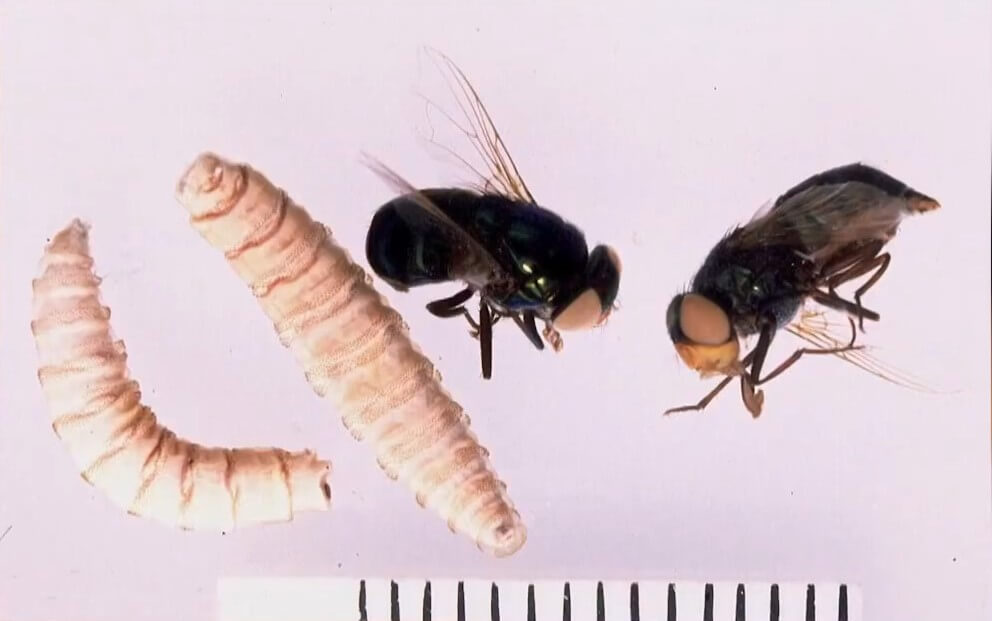
New World screwworm is not an ordinary fly problem. The adult fly lays eggs in open wounds or moist body openings on warm-blooded animals. After the eggs hatch, the larvae feed on living tissue.
The USDA animal health page says the larvae can cause serious, often deadly damage when they burrow into living flesh. The name comes from how the maggots move into the wound, almost like a screw being driven into wood.
Livestock are the main concern, but cattle are not the only possible hosts. USDA says New World screwworm can infest livestock, pets, wildlife, some birds and, in rare cases, people. CDC says infestations in the current outbreak region have been reported in animals and people, although the outbreak is mainly affecting livestock, wildlife and pets.
The public should understand the difference between a serious animal health threat and a panic-level human threat. New World screwworm can infect people, but USDA and CDC are not saying there is a U.S. human outbreak. They are saying the pest is close to the border and must be kept out.
Why Are People in Texas So Worried?
Texas has more at stake than almost any other state. It leads the country in cattle production, and The Texas Tribune reported that cattle bring about $15 billion a year to the state economy.
If New World screwworm crossed into Texas and established itself, ranchers could face animal deaths, quarantine zones, movement restrictions, veterinary costs, market disruption and losses in wildlife populations. That is why a single confirmed case in northern Mexico gets attention far beyond the county or state where it was found.
How The U.S. Eradicated Screwworm Before?
New World screwworm once existed in the United States. USDA says the pest was eradicated from the country in 1966 through sterile insect technique and that a later Florida Keys outbreak was eliminated in 2017.
Sterile insect technique is still the main tool. The idea is direct: raise sterile male flies, release them where wild flies may reproduce, and prevent fertile females from producing viable offspring. Over time, the population collapses.
USDA said in January that it was shifting sterile fly dispersal toward the U.S. border, including a release area about 50 miles into Texas along the border with Tamaulipas, Mexico. The APHIS announcement said USDA was reallocating aircraft and sterile insects to reinforce the border zone and slow northward spread.
USDA now says sterile fly production and targeted release remain central to the response. The agency says production investments are intended to approach about 500 million sterile flies per week, the level used to eradicate New World screwworm from the United States decades ago.
Actions Made by USDA
USDA has built its response around surveillance, border monitoring, sterile flies, movement controls, research funding and coordination with Mexico and Central America.
The agency says it is dispersing 100 million sterile insects per week in Mexico and along the U.S.-Mexico border, while adjusting the release area as new cases appear. USDA also says all southern ports of entry are currently closed to livestock trade, a move designed to reduce the risk that infected animals enter the country.
A USDA border monitoring factsheet says the agency and state partners have deployed more than 100 screwworm traps along the southern border in Texas, Arizona, New Mexico and California. USDA is also monitoring about 7,500 exotic fruit fly traps for possible New World screwworm detections, according to the border surveillance factsheet.
Those traps do not stop the fly by themselves. USDA says the traps help officials detect screwworm quickly if it reaches the border, but they are not meant to reduce populations. If a wild fly is found in a trap, officials can move into containment, control and eradication steps.
What Ranchers And Pet Owners Should Watch For
USDA is asking producers along the southern border to watch livestock and pets closely and report suspicious cases quickly. Early cases can be hard to spot because a wound may look small before larvae are obvious.
Warning signs in animals include irritated behavior, head shaking, the smell of decay and maggots in wounds. Wounds can grow larger as more larvae hatch and feed. Newborn animals, branding wounds, tick bites, cuts, surgical sites and other openings can become targets.
Pet owners near the border should also pay attention. Dogs, cats and horses with wounds should be checked, especially after travel in areas where screwworm is present. Animals returning from Mexico or Central America need careful inspection if they have sores, injuries or signs of discomfort.
CDC gives similar advice for people in outbreak areas: keep wounds clean and covered, wear protective clothing, use EPA-registered insect repellent and seek medical care if maggots are seen or movement is felt in a wound. CDC also warns that people should not try to remove maggots themselves.
Does Screwworm Make U.S. Beef Unsafe?
USDA and CDC have not reported New World screwworm in the United States, and Rollins said the risk to the public and food safety is low, according to The Texas Tribune.
The immediate concern is not supermarket beef already on shelves. The concern is what could happen if the fly crossed the border, became established in livestock or wildlife, and forced quarantines or animal movement restrictions.
Bottom Line
New World screwworm has not been detected in the United States, but the confirmed case 25 miles from the border is the closest warning yet for Texas and the U.S. cattle industry.
The next few weeks will depend on surveillance, fast reporting, sterile fly releases and how effectively U.S. and Mexican teams can keep the pest from turning a border warning into a domestic outbreak.