
A Texas jury has awarded $812 million to the family of a worker killed in an explosion at a Pecos industrial plant, drawing renewed attention to safety standards in hazardous industries and the legal consequences of alleged corporate negligence.
The verdict ranks among the largest wrongful death awards connected to an industrial accident in Texas in recent years. It also places fresh scrutiny on how companies manage high-risk operations in oil, gas, and chemical processing facilities.
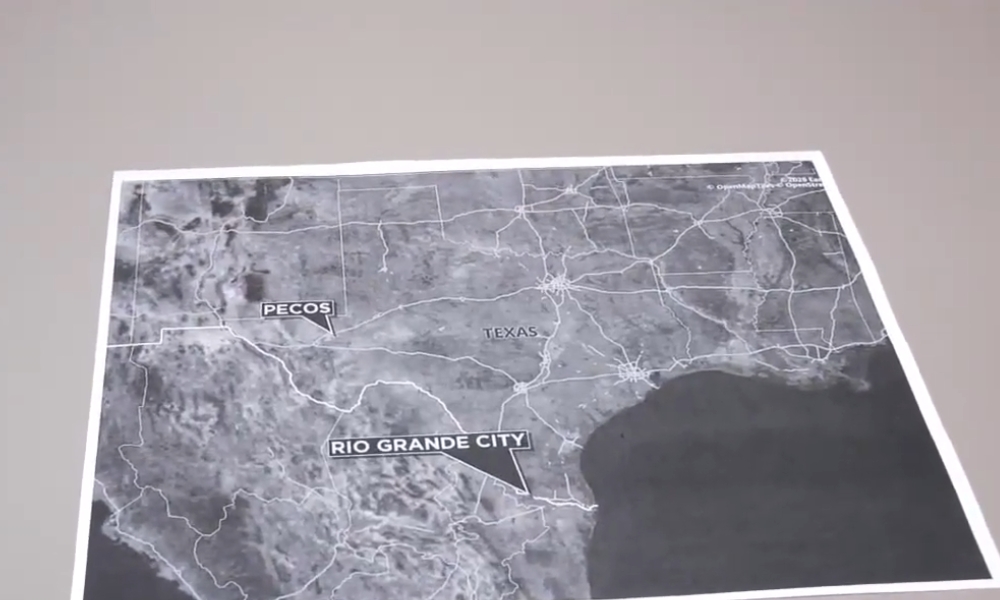
The case stems from a 2023 explosion at the Pecos Liquids Handling Facility in West Texas, where two workers died during maintenance involving flammable materials.
The verdict raises broader questions about workplace safety, compensation in catastrophic injury cases, and how juries assign responsibility when preventable hazards may have contributed to a fatal incident.
What Happened at the Pecos Facility?
According to court findings, the explosion occurred on October 7, 2023, at the Pecos Liquids Handling Facility in Pecos, Texas. Investigators and testimony presented during the trial indicated that one of the workers was welding a silo that allegedly had not been adequately cleared of hazardous chemicals, triggering a deadly explosion.
Starr County families awarded over $1 billion in wrongful death lawsuit following Pecos plant explosion https://t.co/mEIZe2nNvo
— KRGV CHANNEL 5 NEWS (@krgv) May 13, 2026
Evidence introduced in court reportedly pointed to failures in worker training, hazard detection, and compliance with required safety protocols. The deceased worker Reinaldo Garcia Peña’s family received the $812 million award. The 57-year-old employee died alongside Angel Alaffa during the blast.
The Texas jury found the plant operator negligent, concluding that the company had failed to maintain adequate safeguards for employees working around dangerous substances. The verdict included both compensatory and punitive damages.
Compensatory damages are designed to address measurable losses such as lost income, injury costs, and family support, while punitive damages aim to punish conduct considered especially reckless or negligent.
Why Did the Case Draw National Attention?
According to the U.S. Chamber Institute for Legal Reform, Texas is one of the leading states for nuclear verdicts, with 131 reported cases and cumulative awards totaling $16 billion.
Nuclear verdicts refer to cases in which the jury awards more than $10 million, usually in personal injury or wrongful death lawsuits.
The Pecos decision reflects a Texas jury’s willingness to impose substantial financial consequences when evidence suggests repeated safety failures. The broader case reportedly produced a combined jury award exceeding $1.6 billion for both families affected by the explosion.
Peña’s relatives received $812 million, including punitive damages intended to discourage similar conduct in future industrial operations.
Industrial accidents involving explosions remain relatively rare compared with other occupational hazards, but their consequences are often severe. For policymakers and workplace safety advocates, the verdict raises questions about whether stronger enforcement mechanisms are needed to reduce catastrophic accidents in industries handling volatile substances.
Process Safety Failures at The Center of The Trial
One of the major issues in the case involved compliance with Process Safety Management (PSM) standards, a federal system regulated by the Occupational Safety and Health Administration (OSHA) for both general and construction industries.
The U.S. Department of Labor explains that OSHA’s PSM standard focuses on controlling risks linked to highly hazardous chemicals and “establishes a comprehensive management program that integrates technologies, procedures, and management practices.”
Testimony during the Pecos trial reportedly suggested lapses in these requirements, including allegations that workers lacked proper safety instruction and equipment. The Texas jury heard evidence that some employees had not received necessary training materials and were allegedly using gas detection equipment that was incapable of detecting dangerous vapors.
Federal investigations into industrial disasters repeatedly identify procedural failures as contributing factors. In a separate 2026 review of a fatal refinery incident in Deer Park, Texas, the U.S. Chemical Safety and Hazard Investigation Board found that inadequate procedures contributed to a deadly gas release involving toxic hydrogen sulfide.
The agency emphasized that clearer operational safeguards could have prevented fatalities. Such findings reinforce concerns that process safety failures are recurring vulnerabilities in hazardous workplaces, not isolated incidents.
Workplace Deaths Remain a Major Concern in Texas
View this post on Instagram
Although industrial explosions attract significant media attention, workplace deaths represent a broader occupational health issue across Texas. The U.S. Bureau of Labor Statistics reported 557 fatal occupational injuries in Texas during 2024. Workers in mining, oil extraction, and hazardous manufacturing faced elevated risks.
Fatal workplace accidents affect families’ economic stability, mental health, and long-term community well-being. The Centers for Disease Control and Prevention notes that job-related stress and workplace hazards create a significant public health burden that differs considerably from many other public health issues “in the location of expertise and practice and in societal stakeholders”.
Workplace investigations and surveillance remain among the strongest measures to prevent fatal outcomes.
How Wrongful Death Compensation Works in Texas
The Pecos verdict by a Texas jury has also renewed interest in how wrongful death compensation is calculated in Texas courts. Wrongful death claims typically allow surviving family members to pursue damages related to financial support, emotional suffering, and the long-term impact of losing a loved one.
Calhoun Meredith Law Firm’s experts state that compensation is divided into three categories or main types:
Economic damages cover measurable losses such as wages or medical expenses, while non-economic damages address pain, emotional distress, and diminished quality of life. No standard settlement exists because outcomes depend heavily on evidence, the severity of negligence allegations, and the long-term effects on surviving relatives. Cases involving catastrophic workplace failures may result in especially high verdicts when juries find that safety obligations were ignored. Texas law generally provides a two-year statute of limitations for wrongful death claims, which means families usually have two years from the date of death to file legal action, though some exceptions can apply. The Pecos case may influence corporate behavior by increasing pressure on employers to strengthen safety compliance, invest in training, and modernize hazard detection systems. For industries dependent on hazardous materials, failures to maintain safeguards may now carry even greater financial and reputational consequences. At the same time, litigation alone may not solve systemic risks. Regulatory oversight, stronger inspections, and workforce training remain central to preventing future tragedies. Recent workplace safety trends suggest gradual improvements in some Texas industries. Construction remained the industry with the highest number of reported injuries, though claims in 2025 declined by 20% compared with 2023, yet catastrophic events still occur despite declining injury rates. This reality highlights the persistent challenge of maintaining safety standards consistently in environments where a single overlooked hazard can lead to devastating consequences. The $812 million award in the Pecos wrongful death case highlights the human cost of industrial accidents and sends a clear warning that companies may face major financial consequences when safety failures lead to death. The verdict also frames workplace injuries as public health concerns with lasting effects on workers, families, and communities. As Texas continues to expand its industrial economy, preventing catastrophic accidents will remain one of the most urgent workplace safety challenges facing the state.
What the Verdict Could Mean for Industrial Safety?

The Pecos Case May Shape Future Debates About Safety