
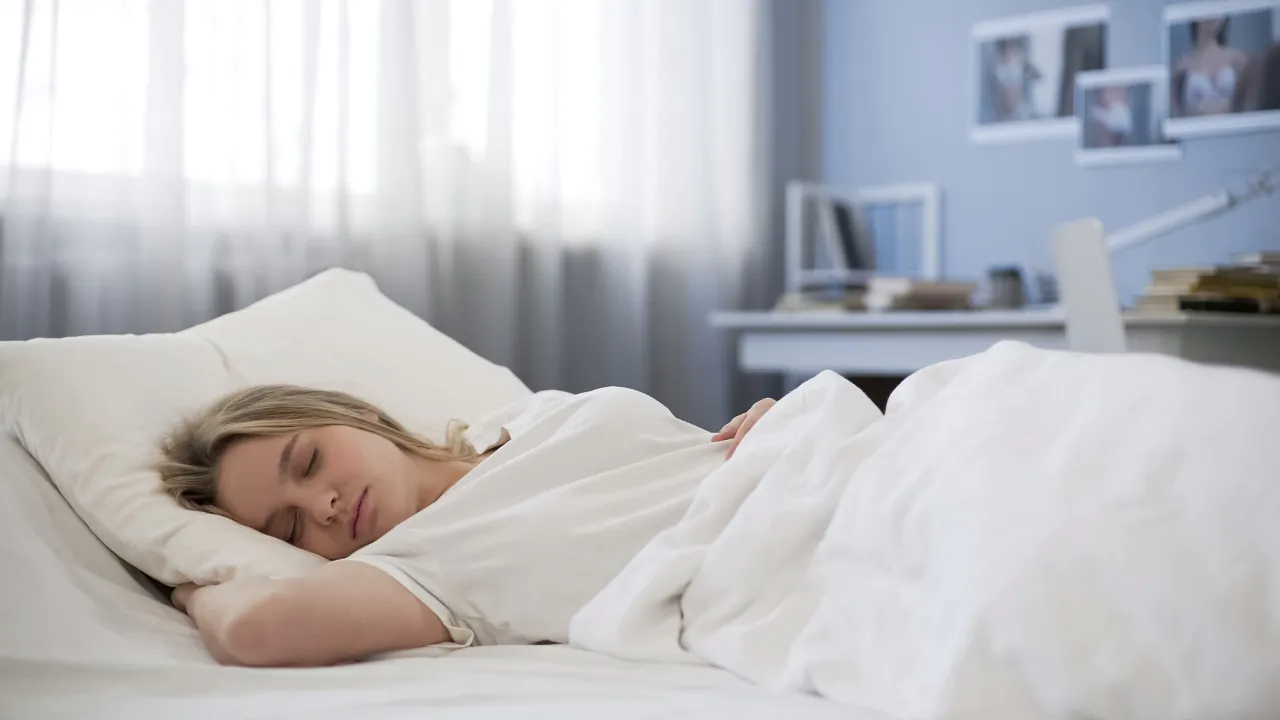
Only 22.3% of U.S. teens ages 18 to 19 reported getting at least seven hours of sleep per night during 2021 to 2023. Even younger adolescents were struggling.
Among 12 to 13-year-olds, only 37.2% reported getting at least seven hours of sleep per night during that same period.
Across recent decades, teen sleep has become a growing public health concern.
Researchers found that teenagers today sleep less than earlier generations at similar ages. Most recent data showed record-low sleep levels across every age group studied.
Teen sleep loss comes out of a mix of academic pressure, social demands, jobs, screen use, social media, pandemic-era stress, and structural factors such as early school start times.
As a result, sleep is not just a personal habit issue. It is also tied to school policy, family routines, technology use, mental health, and inequality.
Background on the Study
💤 US teens getting less sleep than ever. Homework, social pressure and jobs still keep teens up but now screen time and social media rob their sleep.
Only 22% of older adolescents saying they slept at least 7 hours each night.
— World of Statistics (@stats_feed) May 16, 2026
A major study by researchers at the University of Minnesota School of Public Health was published in Pediatrics on May 12, 2026.
Researchers analyzed Monitoring the Future data collected between 1991 and 2023.
In total, their analysis covered a nationally representative sample of 40fami1,160 U.S. adolescents in grades 8, 10, and 12.
Data in the study represented adolescent birth cohorts born roughly between 1972 and 2011.
Because that time span covered more than three decades, researchers could compare teen sleep patterns across many age groups and generations.
Researchers focused on two main outcomes that helped measure both sleep time and perceived rest.
Statistical models were used to examine sleep trends over time. Researchers also compared patterns across age groups and demographic groups. That approach helped show not only that teen sleep declined, but also which groups experienced sharper losses. Teen sleep declined steadily across all age groups over more than three decades. The most recent years, 2021 to 2023, showed the lowest sleep levels at every age. Sleep duration also worsened as teens got older. Researchers reported a clear age gap in the share of teens getting at least seven hours per night. Adolescents in the last 10 years were more likely to report inadequate sleep than teens of the same ages in earlier decades. Older adolescents were affected most because both actual sleep time and feelings of getting enough rest dropped sharply between early adolescence and late adolescence. Only about 22% of older adolescents said they slept at least seven hours nightly. That finding shows how far teen sleep has fallen, especially when seven hours is already lower than the general recommendation for teens. Long-term lack of sleep has also been linked with a greater risk of chronic disease later in life. Insufficient sleep has been connected to several major concerns for teen health and school performance: For teens, those effects matter because adolescence is a key period for learning, brain development, emotional regulation, and physical health. Teens who go to bed earlier and sleep longer tend to show sharper mental skills and better scores on cognitive tests. Late-night smartphone use can interfere with sleep needed for learning and the next day’s school performance. Teens ages 13 to 18 are generally advised to get 8 to 10 hours of sleep each night. That means 7 hours is already below the recommended range for most teens. Along with steady routines, a comfortable sleep setup can help make that goal easier to support at home, including bedding options such as simbasleep.com. That means seven hours is already below the recommended range for most teens. When only 22.3% of older teens report getting even seven hours, the problem is more serious than a small shortfall. Several long-lasting pressures help explain why teens are sleeping less. Homework can push bedtime later, especially for students taking demanding classes. Extracurricular activities add more time pressure after school. Social pressure can make teens feel expected to stay available late at night. Part-time jobs can also cut into evening routines and reduce time available for rest. Newer pressures have made those older problems harder to manage. Smartphones, social media, constant screen access, pandemic-era stress, social unrest, and emotional burnout all add strain to teen schedules and sleep habits. A related study on nighttime phone use followed 657 adolescents with an average age of 15. Instead of relying only on self-reports, researchers used passive phone tracking data. Findings showed that teens averaged more than 50 minutes of smartphone use between 10 p.m. and 6 a.m. on school nights. Phone use was especially common during late-night and early-morning hours, when sleep disruption can be most damaging. Student-centered research also found heavy stress among California teens. Roughly two-thirds reported burnout and anxiety. About one quarter said they had enough time for basic needs such as sleep, eating, and hygiene, only two days a week or less. Sleep problems do not affect all teens equally. Researchers found widening sleep disparities among Black adolescents, Latino adolescents, and teens whose parents had lower levels of education. Racial sleep gaps changed noticeably across the study period. Disparities also grew between teens whose parents had more education and teens whose parents had less education. Those patterns suggest that sleep loss is not only about individual choices. It is also an equity issue shaped by family resources, school demands, neighborhood conditions, work expectations, stress, and access to stable routines. No single national fix can solve teen sleep loss, but broad structural changes could help. One major recommendation is delaying high school start times to 8:30 a.m. or later. Early start times conflict with adolescent circadian biology, which naturally shifts many teens toward later sleep and wake times. Later school start times have been shown to increase sleep duration because school schedules line up better with teenagers’ biological clocks. A later start can give students more opportunity to sleep without requiring every teen to change biology or personal schedule overnight. Families and schools can also support healthier technology habits through clear night routines. Schools and communities should treat sleep as part of student health, learning, and well-being. Sleep should not be treated as optional or less important than grades, activities, work, or online life. Only 22.3% of older U.S. teens are getting even seven hours of sleep per night, even though teens are generally advised to get eight to 10 hours. That number shows a serious gap between current teen sleep patterns and healthy sleep needs. Evidence covering 1991 to 2023 shows that teen sleep loss is a long-term trend, not a temporary problem. Sleep has declined across decades, across age groups, and especially among older adolescents.
Main Findings
Effects of Sleep Deprivation
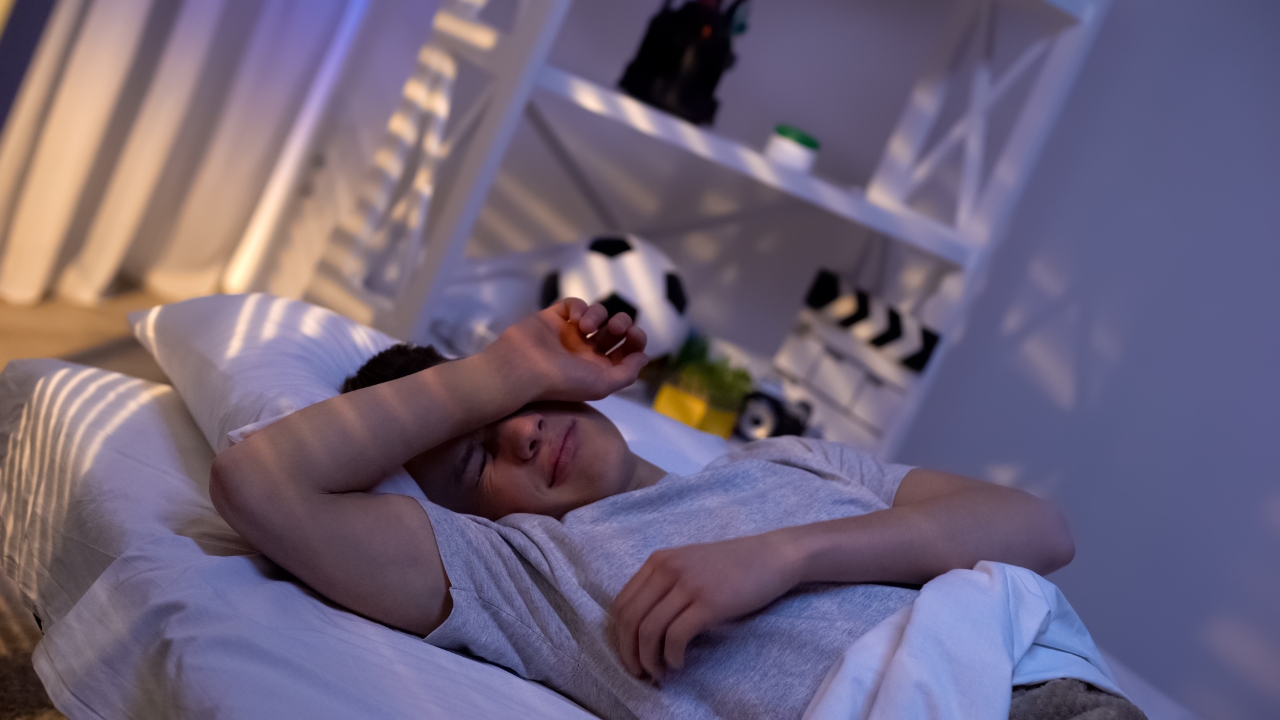
Sleep loss can affect daily life in many ways. Teens who do not get enough rest may feel tired throughout the day, function less effectively, struggle in school, and face a higher risk for mental health problems.
Causes of Teen Sleep Loss
Inequality and Sleep Disparities
Possible Solutions
FAQs
Summary