

Swiss voters rejected a plan that would have forced the country to cap its population at 10 million, defeating a far-right proposal that could have pushed Switzerland into a new confrontation with the European Union.
The vote was close enough to show how deep the pressure has become. The official provisional result showed 54.79% voting against the initiative and 45.21% in favor, with turnout at 58.86%, according to the Swiss federal vote dashboard.
The proposal came from the Swiss People’s Party, known as the SVP, the largest party in parliament. The government opposed the measure, warning that a hard population limit could damage the labor market, weaken the economy, and put Switzerland’s relationship with the EU at risk.
Referendum Question
Result
Proposal
Cap Switzerland’s permanent resident population at 10 million by 2050
Vote date
June 14, 2026
No vote
54.79%
Yes vote
45.21%
Turnout
58.86%
Main sponsor
Swiss People’s Party, or SVP
Current population
About 9.1 million
Main risk if passed
Possible break with the EU free movement agreement
What The Proposal Would Have Done
The initiative was called “No to a Switzerland with 10 million.” It would have placed a constitutional ceiling on the permanent resident population, blocking Switzerland from passing 10 million people before 2050.
The plan also included an earlier warning line. If the population reached 9.5 million, the government would have had to tighten immigration rules, including family reunification, residency permits, and asylum policy.
A bigger trigger came at 10 million. If Switzerland crossed that mark before 2050, the government would have been required to leave the free movement agreement with the EU if other measures failed. That agreement gives EU citizens the right to live and work in Switzerland and gives Swiss citizens similar access in EU countries.
That final step made the vote much larger than a standard immigration fight. The proposal would have tied population growth to Switzerland’s access to European workers and the single market.
Why Supporters Wanted A Population Cap
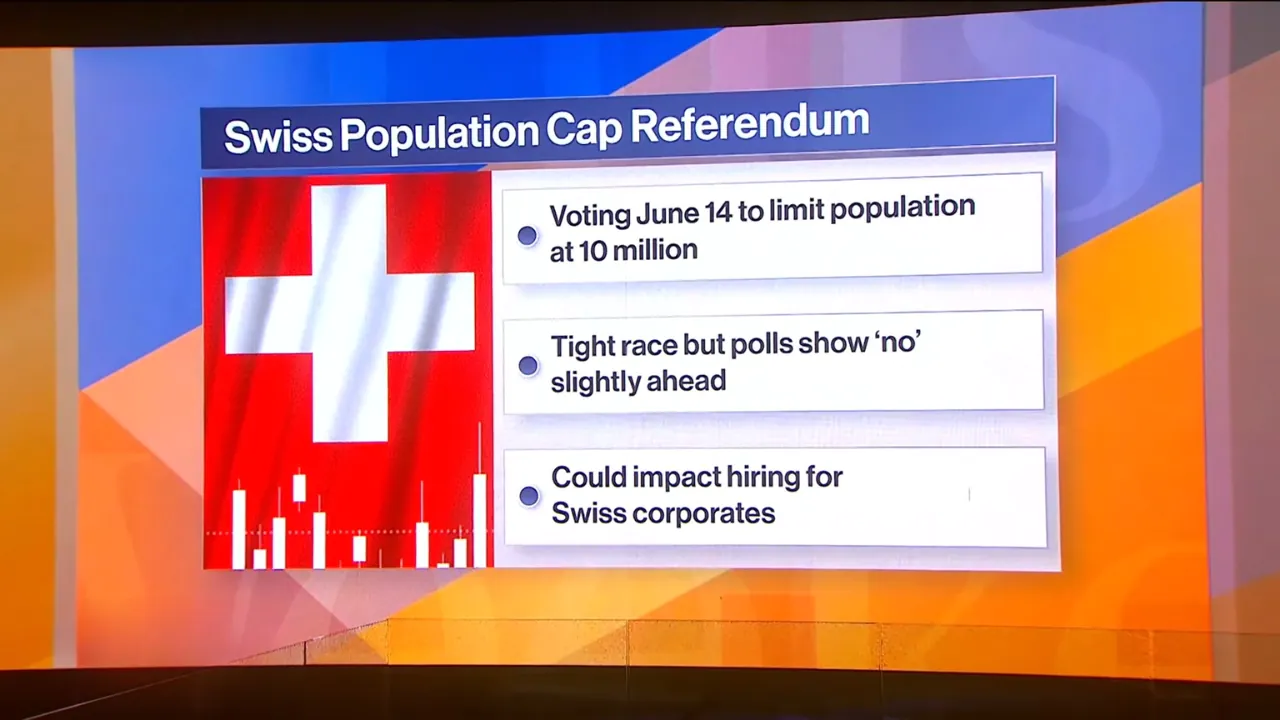
The SVP framed the plan as a response to crowded trains, expensive housing, rising infrastructure costs, and pressure on public services. Switzerland has grown quickly by European standards, reaching roughly 9.1 million people.
The party argued that migration had pushed the country toward a limit it could no longer absorb. Supporters said the cap would protect housing, transport, social programs, natural resources, and the Swiss way of life.
That message landed with a large share of voters. Nearly half of the electorate backed the proposal, even after business groups and the national government warned about economic consequences.
The result shows a country that rejected the cap, not the concern behind it. Housing costs, immigration pressure, and population growth remain live political issues in Switzerland.
Why Voters Rejected It?
View this post on Instagram
Opponents said the measure would hit the labor market first, especially health care, hospitality, construction, research, and other sectors that rely on foreign workers.
Switzerland is wealthy, but its workforce is deeply linked to cross-border labor and EU migration. Foreign residents account for about 27% of the population, according to The Guardian.
The EU link also mattered. Switzerland is not an EU member, but its economy relies on bilateral agreements with Brussels.
A forced exit from free movement could have threatened market access and created another version of the long-running Swiss-EU dispute over migration and sovereignty.
Urs Bieri of the polling firm GFS Bern told Reuters that voters were worried about the labor market, EU relations, and health care staffing. That explanation fits the result: many voters accepted the problem, then rejected the cure.
What Makes The Swiss Case Different
Many countries set immigration limits. The Swiss proposal went further because it tried to cap the total population.
The Associated Press reported that Swiss experts said no country had voted to limit its population in that way. That made the referendum unusual even for Switzerland, where direct democracy puts major policy questions before voters several times a year.
The Swiss system allows popular initiatives to go to a referendum after collecting 100,000 valid signatures within 18 months. That process gives parties and campaign groups a direct route to national votes, including on immigration, media, tax, climate, and military service.
The Numbers Behind The Vote
🇨🇭 Switzerland to vote today on plan to cap population at 10 million.
Switzerland’s population has grown rapidly since 2002, when it stood at 7.3 million. Now it is 9.1 million, 27% of whom are Swiss residents who were born abroad.
— World of Statistics (@stats_feed) June 13, 2026
Switzerland’s population has grown by about 23% since the free movement agreement with the EU came into force in 2002. Economic output grew by about 24% over the same period, according to government figures cited by The Guardian.
Those numbers shaped both sides of the argument. Supporters pointed to population growth and said the country was becoming too crowded. Opponents pointed to the economy and said growth had been tied to workers, consumers, and tax revenue.
The same tension appears in other developed countries. Our team at NCH Stats has covered how migration changes workforce projections in the United States in our analysis of immigration and the future labor force. Switzerland now faces a similar tradeoff in a smaller, richer, and more tightly planned country.
Bottom Line
@bbcnews Switzerland’s population will be limited to 10 million people by 2050, if the policy goes through. #Switzerland #Immigration #SwissPolitics #Politics #BBCNews ♬ original sound – BBC News
Switzerland was asked to set a hard population limit of 10 million. Voters said no.
The proposal failed because many voters feared the economic cost, the labor shortages, and the damage to EU relations. Yet the 45% yes vote shows that immigration and population growth remain major political pressures.
The immediate outcome is stability. The longer-term question is whether Switzerland can ease housing, transport, and public-service pressure without cutting itself off from the workers and trade links that help keep the country rich.