
Confirmed Ebola cases in eastern Congo have passed 1,000, with 254 deaths reported in the outbreak, health authorities said Sunday.
The latest figures show 1,003 confirmed cases, 254 deaths, 100 recoveries and at least 365 patients in hospitals or isolation, according to an Associated Press report carried by ABC News. The outbreak is concentrated in Ituri province, a region already strained by conflict, displacement and limited health access.
Latest update: We got a second US citizen tested positive on Ebola.
Table of Contents
ToggleCases And Deaths Continue To Rise
Congo health officials reported 1,003 confirmed Ebola cases as of Sunday, with 254 deaths. That means roughly one in four confirmed patients has died, based on the latest official count reported by AP.
At least 100 people have recovered, while 365 patients remain in hospitals or isolation. Those figures show the outbreak is still active, with health teams trying to treat patients while finding new chains of transmission.
Ituri province remains the main focus of the outbreak. The area includes communities with high population movement, displaced families and hard-to-reach zones, all of which make containment harder.
The Outbreak Involves The Bundibugyo Strain
The current outbreak is caused by Bundibugyo ebolavirus, a less common Ebola species. That detail matters because the main approved Ebola vaccines and treatments were developed for the Zaire species, which caused several previous outbreaks.
The World Health Organization says there is no licensed vaccine or specific treatment for Bundibugyo Ebola, although candidate vaccines and treatments are being studied.
Without a licensed vaccine ready for broad use against this strain, the response depends heavily on basic outbreak control: testing, isolation, contact tracing, infection control in clinics, safe burials and community cooperation.
Contact Tracing Is Still A Major Weak Point
Officials said tracing people who had contact with Ebola patients remains one of the biggest problems. AP reported that contact tracing coverage is about 55%, meaning many possible exposures are still outside full monitoring.
That matters because Ebola can spread through direct contact with the body fluids of a sick person or someone who has died from the disease. Every missed contact can become a new chain of infection.
Authorities also have not identified the first known patient in the outbreak. Without that starting point, health teams have a harder time reconstructing how the virus first moved through communities and where hidden transmission may still be occurring.
Why Eastern Congo Is A Difficult Place To Contain Ebola
Eastern Congo has dealt with years of armed conflict, displacement and weak infrastructure. Those conditions slow the work needed to contain Ebola.
Health teams need to move quickly between communities, test suspected cases, transport patients, monitor contacts and organize safe burials. In insecure areas, that work can be delayed by blocked roads, violence, mistrust and shortages of staff or equipment.
The WHO has described the outbreak setting as difficult because of insecurity, humanitarian needs, remote communities and high population movement between Congo and neighboring countries.
Displacement Camps Are A Growing Concern
Officials are watching displacement camps closely because crowded conditions can make any infectious disease harder to control.
AP reported concern around the Kigonze displacement camp in Bunia, which shelters more than 20,000 people. Ten unexplained deaths there raised alarm, although no confirmed Ebola cases had been reported in the camp in the AP account.
Displacement camps create special risk because families live close together, sanitation is limited and access to clinics can be uneven. A confirmed Ebola cluster in that kind of setting would put additional pressure on response teams.
Uganda Has Also Reported Linked Cases
The outbreak has also crossed into Uganda. WHO reported confirmed Bundibugyo Ebola cases in Uganda linked to transmission from Congo, including infections among contacts and health workers.
Cross-border spread means surveillance cannot stop at one province or one country. Health officials need screening, alerts and cooperation between clinics on both sides of the border.
The risk of wider international spread remains much lower than the risk inside affected communities, but neighboring countries are watching for imported cases.
What Ebola Symptoms Look Like
Ebola symptoms can begin with fever, weakness, muscle pain, headache and sore throat. Patients may later develop vomiting, diarrhea, rash, bleeding, shock or organ failure.
Early symptoms can resemble malaria, typhoid and other common illnesses in the region. That can delay testing and isolation, especially when clinics are crowded or under-supplied.
Health officials urge people in affected areas to report symptoms quickly, avoid contact with body fluids and follow public health guidance on burials and care for sick relatives.
Hospitals And Health Workers Remain At Risk
Health facilities are central to the response, but they can also become places where Ebola spreads if a case is missed early.
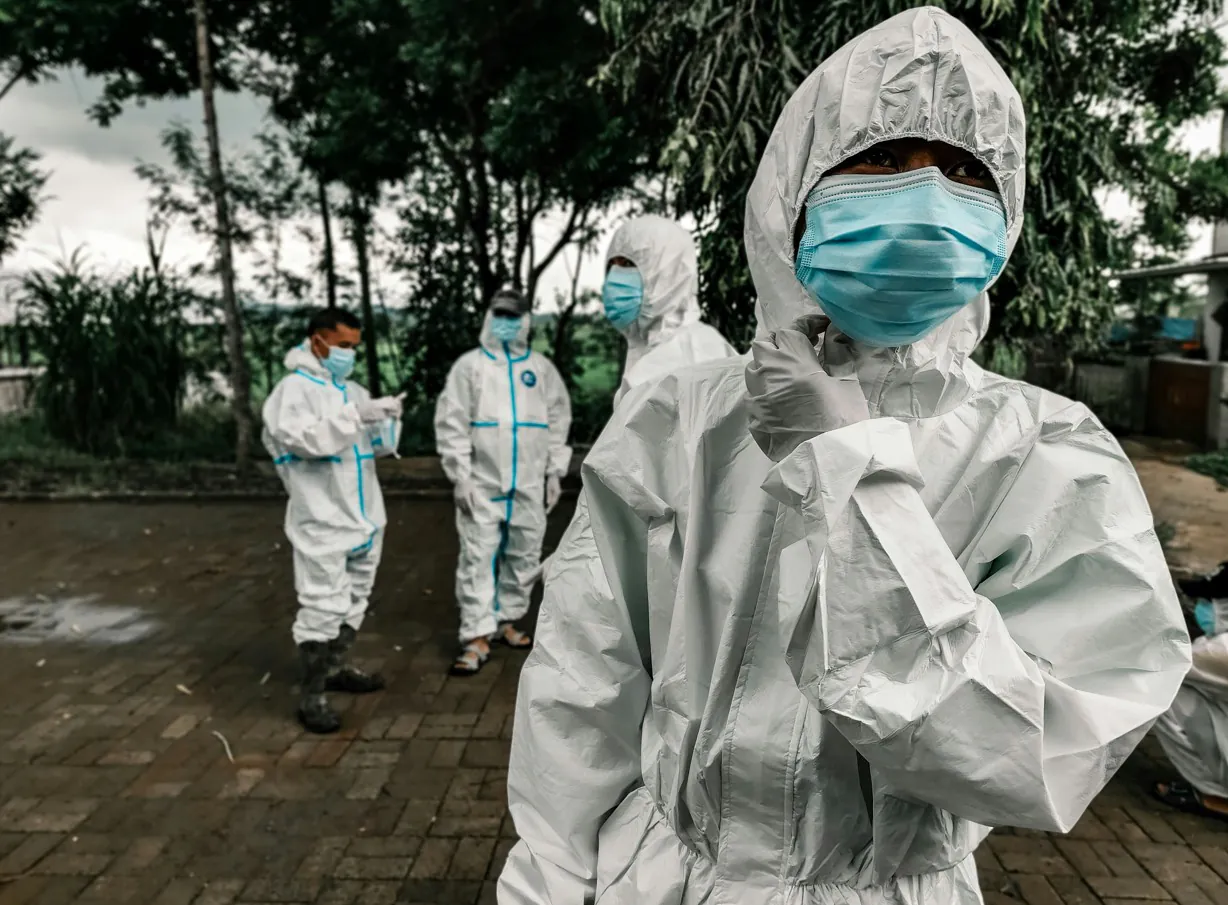
Health workers face risk when patients arrive with fever, vomiting or diarrhea before Ebola is suspected. Protective equipment, triage, isolation areas and rapid testing are essential to keep clinics from becoming transmission points.
The Bundibugyo strain also created early diagnostic problems in the outbreak because some available tests were designed around the more common Zaire species, according to earlier reporting and public health updates.
Safe Burials Remain Part Of The Response
Ebola remains infectious after death. Burial practices that involve washing, touching or close contact with a body can expose relatives and community members.
Safe burial teams reduce that risk, but they also need trust from families. When communities mistrust responders, deaths may go unreported and families may avoid official burial teams.
Public health officials have seen this problem in previous Ebola outbreaks. Containment depends on medical work and community acceptance at the same time.