
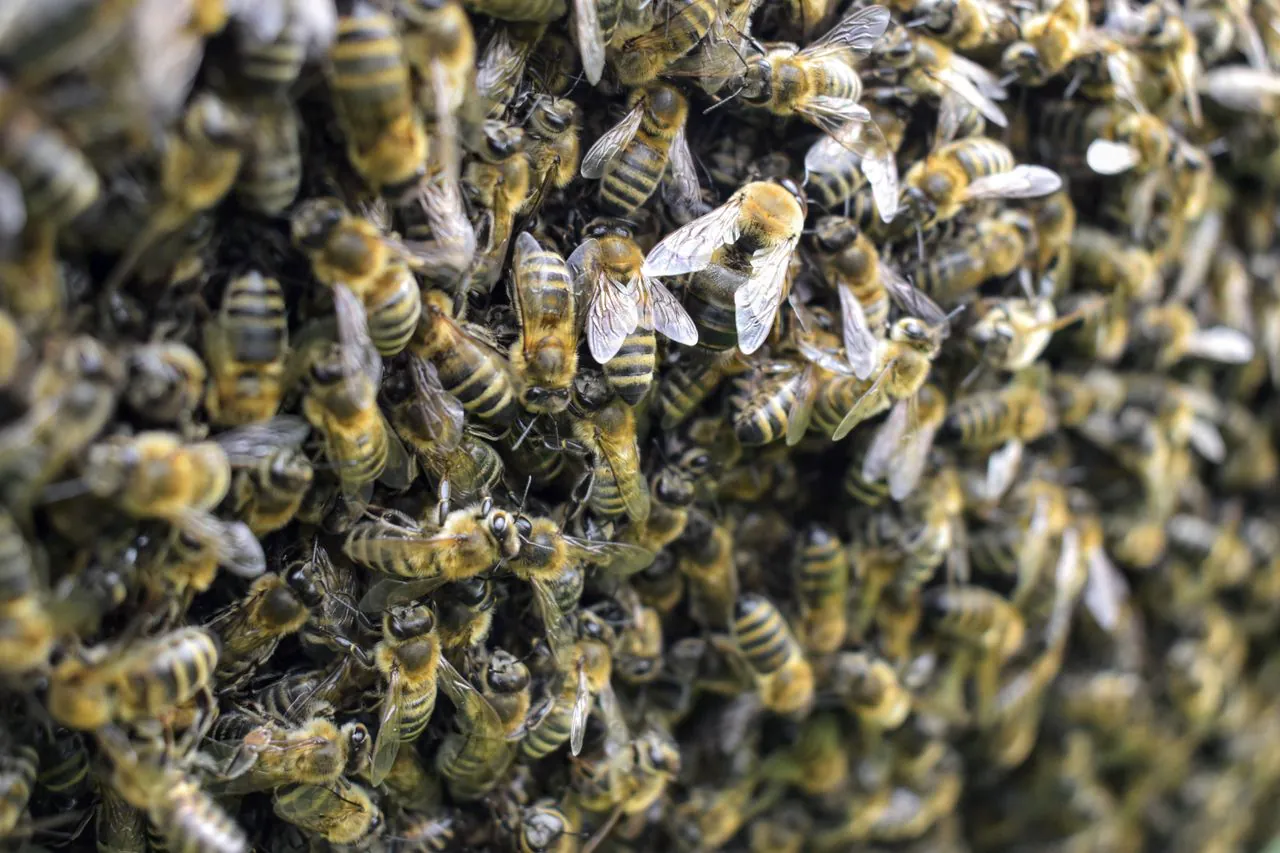
Millions of honeybees escaped in Southeast Texas after an 18-wheeler carrying hundreds of hives overturned in Orange County, prompting emergency officials to warn nearby residents to stay indoors while beekeepers worked to recover the colonies.
The crash happened Sunday near Colony Drive in the Orange area, close to Mauriceville. Local emergency officials said the truck was carrying beehives and that a heavy bee presence had spread through the area, according to KFDM.
CBS News reported that the truck was carrying 408 hives and that local beekeepers joined the recovery effort after the crash. Beekeeper Chris Moore of Moore Honey estimated that only about a quarter of the hives may survive, depending largely on how many queen bees lived through the wreck, according to CBS News.
Table of Contents
ToggleWhat Happened In The Texas Bee Truck Crash?
The 18-wheeler was hauling commercial beehives when it overturned in a rural neighborhood in Orange County, east of Houston. Reports from the scene described a large swarm, road closures and emergency crews trying to keep people away from the work zone.
The Associated Press reported that the driver had mistakenly entered a residential area and could not make a tight corner, causing the trailer to tip over. The report said roads were closed while crews and beekeepers worked to retrieve the hives and move them to safety through the Texas honeybee crash response.
View this post on Instagram
The number of bees was estimated in the millions. Other local and national reports placed the load around 50,000 pounds of hives and bees, with many outlets reporting an estimate of about 2 million bees loose in the area.
| Incident Detail | Latest Information |
|---|---|
| Location | Orange County, Texas, near Colony Drive in the Orange and Mauriceville area |
| Date | Sunday, June 21, 2026 |
| Vehicle | 18-wheeler carrying commercial beehives |
| Hives involved | About 400 hives, with CBS reporting 408 hives |
| Estimated bees | Roughly 2 million bees, based on national and local reports |
| Public warning | Residents near the scene were told to stay indoors and avoid the area |
| Response | Emergency crews, law enforcement and local beekeepers worked to recover and transfer hives |
| Injuries | No serious injuries were widely reported, though a local photojournalist was stung during coverage |
Residents Were Told To Stay Indoors
The stay-inside warning was a public safety move. Honeybees usually defend a hive when the colony is disturbed, and a rollover involving hundreds of hive boxes creates a far more dangerous situation than a normal backyard swarm.
When hives break open, bees can scatter, cluster on trees, gather on wreckage and become defensive while beekeepers try to locate queens and recover surviving colonies. People walking into the area can trigger more movement, slow the recovery and increase the chance of stings.
The warning was especially important for people with known sting allergies, older residents, children, outdoor workers, drivers and anyone with pets near the affected roads.
Commercial and local beekeepers moved quickly to help because honeybee recovery is specialized work. The goal is not only to remove bees from the scene, but also to save as many colonies as possible.
Beekeepers in protective suits worked around damaged hive boxes, trees and roadside areas where bees gathered. Crews moved hive materials onto transport trucks and relocated surviving colonies to a local honey farm.
Recovery depends heavily on queen survival. A colony can lose many worker bees and still recover if the queen survives and enough bees remain. If the queen dies or cannot be located, the hive is much less likely to survive.
Why Only Part Of The Hives May Survive?
Moore Honey owner Chris Moore estimated that only about one quarter of the 408 hives may survive. That estimate reflects how fragile a hive can become after a crash.
A hive is not simply a box full of insects. It is an organized colony with a queen, workers, brood, honey stores and comb structure. When hive boxes break apart, bees can lose the queen, abandon damaged comb, overheat, scatter into nearby trees or fail to regroup before night.
Recovery crews can set out catch boxes and move surviving hive material, but the final survival count can take time. Bees that return to the crash area after the first cleanup may still need to be collected.
What To Do If You Are Near A Large Bee Swarm?
Residents near a large bee incident should follow local emergency instructions first. In a crash like the Orange County incident, the safest move is to stay indoors until officials reopen the area.
- Stay inside if officials warn of heavy bee activity.
- Close windows, doors, garage doors and vehicle windows.
- Keep pets indoors.
- Avoid walking or driving into the blocked area.
- Do not spray bees or disturb hive boxes.
- Call local officials if bees gather near a home entrance.
- Leave recovery to trained beekeepers and emergency crews.
The CDC says stinging insects can be dangerous for outdoor workers and that people with venom allergies can have life-threatening reactions. Its NIOSH guidance on insects and scorpions at work notes that severe allergic reaction requires emergency care.
When A Bee Sting Becomes An Emergency?
Most bee stings cause pain, swelling and itching near the sting site. A severe allergic reaction is different and needs immediate medical help.
Emergency warning signs can include trouble breathing, swelling of the throat or tongue, dizziness, fainting, confusion, rapid spread of hives, vomiting or a feeling of severe weakness after a sting.
Mayo Clinic advises calling emergency services right away when someone shows signs of anaphylaxis after an insect sting. Its guidance on anaphylaxis first aid says not to wait to see whether symptoms improve.