

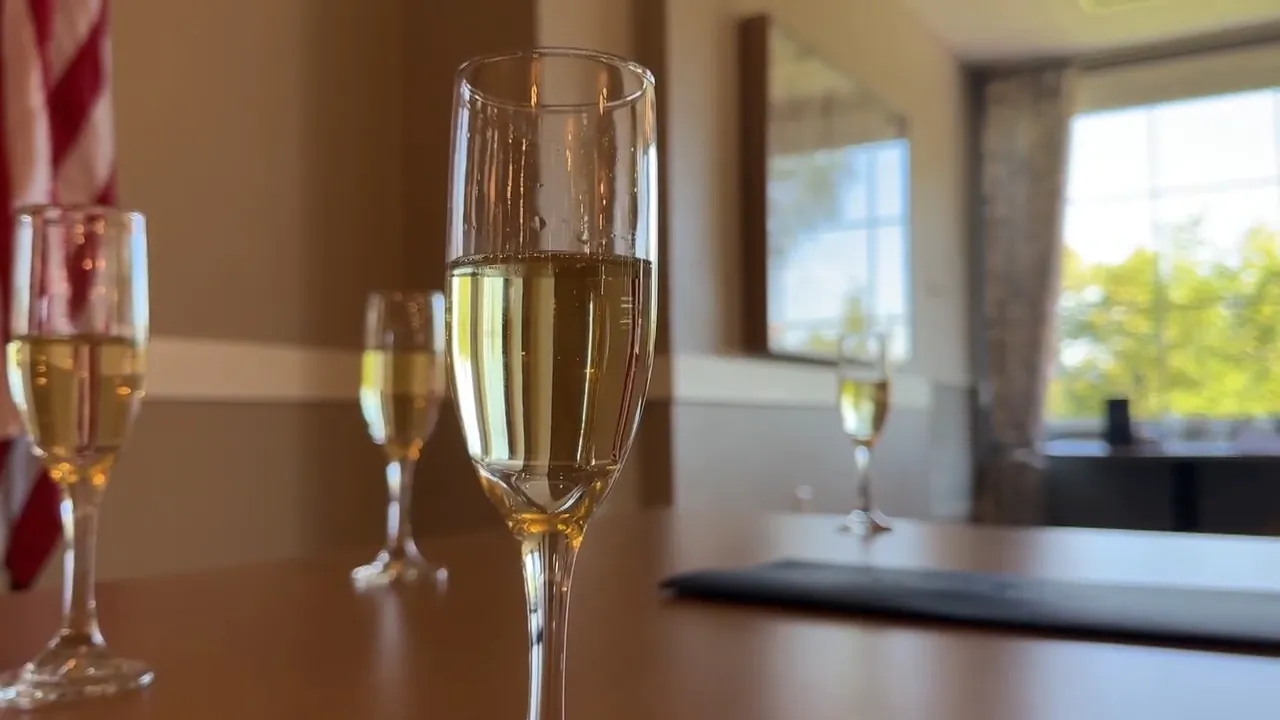
A glass of wine at a retirement community should not require an act of the Legislature. At least, that was the argument made by residents of Amira Choice in Champlin, Minnesota, after their regular social gatherings became tangled in state liquor rules.
The problem was oddly specific. The senior living community could hold a happy hour, but staff could not legally serve the drinks. Minnesota had no suitable liquor license for an assisted living facility that wanted to offer alcohol during a private event for residents.
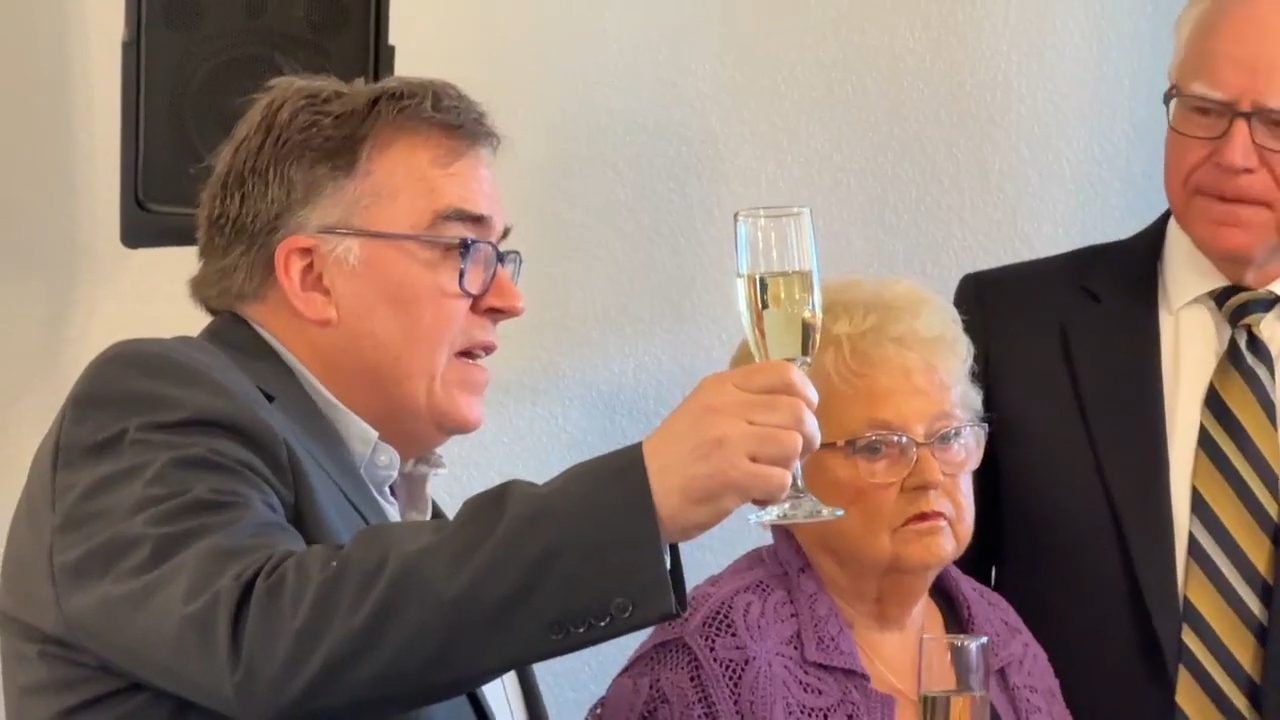
Residents took the problem to lawmakers. The result was a bipartisan measure nicknamed the “Grandparents’ Happy Hour” law, which Gov. Tim Walz celebrated during a signing ceremony at Amira Choice in July.
View this post on Instagram
The new rules allow assisted living communities, nursing homes, and boarding care homes to serve alcohol at organized events without obtaining a traditional liquor license. Facilities still face safety requirements, but they no longer have to force a resident or visiting family member to pour every drink.
A Small Legal Change With a Personal Story
The campaign began with residents who saw happy hour as part of community life, not an attempt to turn their home into a bar. Anita LaBrun, an 82-year-old Amira Choice resident, became one of the public faces of the proposal.
LaBrun told lawmakers and reporters that the gatherings gave residents a chance to laugh, talk, and share stories. Her argument was simple: moving into assisted living should not automatically remove the ordinary choices a person made for decades.
Local reporting on the signing ceremony described the law as a way to protect autonomy and dignity without abandoning basic safeguards. Walz said older adults had earned the right to continue making personal choices about their lives.
The idea also attracted international coverage. The playful nickname certainly helped, but the underlying issue is more serious than the name suggests. It concerns how much independence people keep after moving into a place that is both their home and a regulated care facility.
What the Grandparents’ Happy Hour Law Allows?
According to the official Minnesota House, an eligible facility may serve alcohol only to residents and their guests. Service must take place during an activity or event organized for those residents and guests on the facility’s property.
Alcohol cannot be sold. A facility cannot charge residents for a beer, glass of wine, or cocktail, and the exemption does not create a commercial bar inside a nursing home. Also, each facility remains free to decide if it wants to offer alcohol at all. The law does not give every resident an unconditional right to drink. Care providers may still need to consider medications, medical conditions, dietary restrictions, and a resident’s individual treatment plan. Someone taking a drug that interacts dangerously with alcohol will not suddenly be cleared for happy hour because the liquor code changed. Happy hour can sound trivial beside the medical and financial pressures facing older adults. Inside a senior community, however, scheduled social events often provide the structure that helps residents meet neighbors and maintain friendships. Moving into assisted living can mean leaving a longtime home, losing familiar routines, and becoming dependent on staff for transportation or daily care. A weekly gathering cannot solve those problems, but it can give residents a regular reason to leave their rooms and spend time together. The debate is also arriving as the state grows older. Adults aged 65 and above account for 18.2% of the population of Minnesota. Policies governing senior communities will affect a larger share of residents as that percentage rises. Health concerns remain real. Many older Americans manage several conditions at the same time, as shown by national data in our research about chronic disease among seniors. Responsible facilities will need clear service rules and staff who know when a resident should not be offered alcohol. The lasting point of the Minnesota law is not that older people want easier access to alcohol. Residents could often receive a drink from a relative or pour one themselves. The absurdity was that trained staff in their own home could organize the gathering, but could not legally provide the drink. Minnesota removed that contradiction without removing oversight. Facilities must notify the state, keep alcohol secure, and protect residents whose health makes drinking unsafe. The next question is how many senior communities will use the exemption and how the events will operate in practice. For now, Amira Choice finally has a legal answer to a problem its residents should not have needed to take to the State Capitol.
Happy Hour Is About More Than Having a Drink
Residents Asked to Be Treated Like Adults