
Intercon Chemical Co. has recalled six hand soaps after bacterial contamination was found or suspected in the products, covering 2,696 shipping cases distributed through 20 business recipients in 15 states.
The St. Louis company began the voluntary recall on June 29, 2026. FDA classified the products as a Class II recall on September 11, meaning exposure may cause temporary or medically reversible health effects, while the chance of serious harm is considered remote under the agency’s recall classification system.
Two of the soaps were linked to five identified bacterial species, including Pseudomonas aeruginosa and Serratia marcescens. The other four were recalled for potential bacterial contamination without individual organisms named in the public record.
No illness count has been reported in the FDA enforcement information for the six products.
Which Hand Soaps Are Recalled?
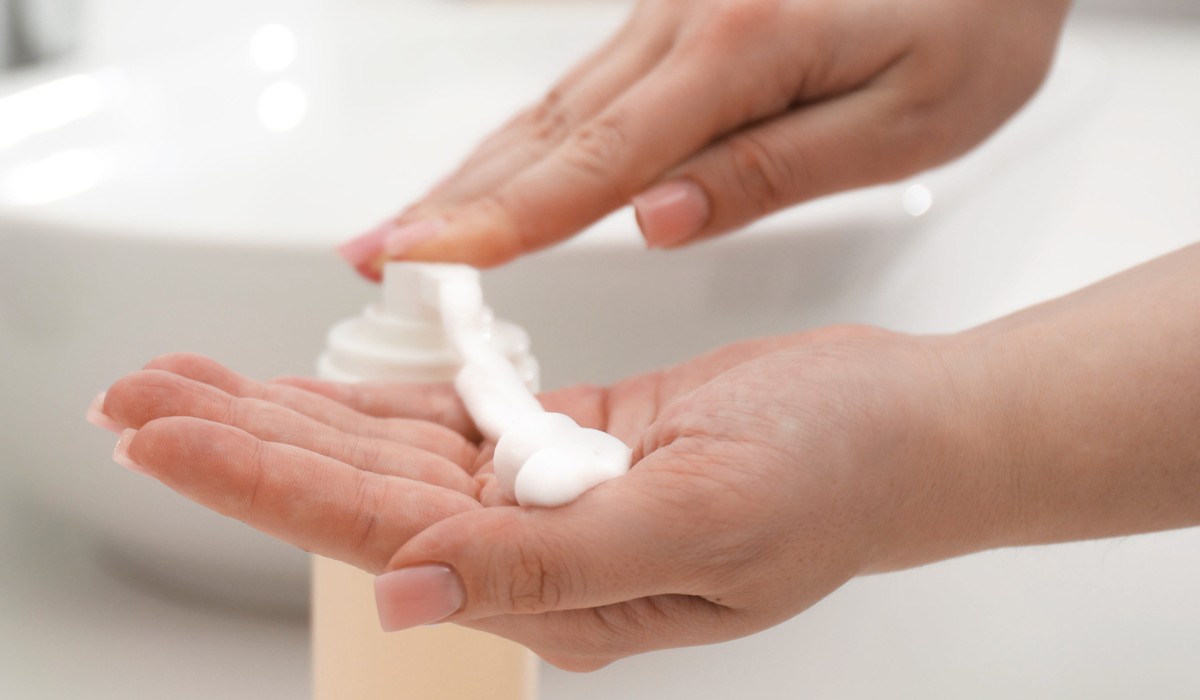
The recall includes six foaming or liquid hand soaps sold under Summit 150, Intercon, Laura Lynn, Vestis and Clearly Better branding.
Summit 150 represents the largest quantity, with 1,040 recalled cases. Intercon Foaming Pear accounts for another 693 cases. Together, those two products make up nearly two-thirds of the 2,696 cases involved.
| Product | Size | UPC | Recall Number | Cases |
|---|---|---|---|---|
| Summit 150 Foaming Hand Soap | 28.7 fl. oz. | 810080570030 | C-0015-2026 | 1,040 |
| Intercon Foaming Pear Hand Soap With Aloe | 28.7 fl. oz. | 789745002981 | C-0013-2026 | 693 |
| Laura Lynn Honey Apple Crisp Liquid Hand Soap | 8 fl. oz. | 086854074305 | C-0017-2026 | 301 |
| Laura Lynn Foaming Pear Scent Hand Soap with Moisturizers | 7.5 fl. oz. | 08685407408 | C-0018-2026 | 294 |
| Vestis Foaming Hand Soap, Fresh Pear Scent | 33.8 fl. oz. | 810080570405 | C-0016-2026 | 225 |
| Clearly Better by Intercon Foaming Pear Hand Soap With Aloe | 34 fl. oz. | 789745002615 | C-0014-2026 | 143 |
The 2,696 figure refers to shipping cases, not individual bottles and not the number of people who may have used the soap. A case can contain multiple individual units.
Where Were The Recalled Soaps Distributed?
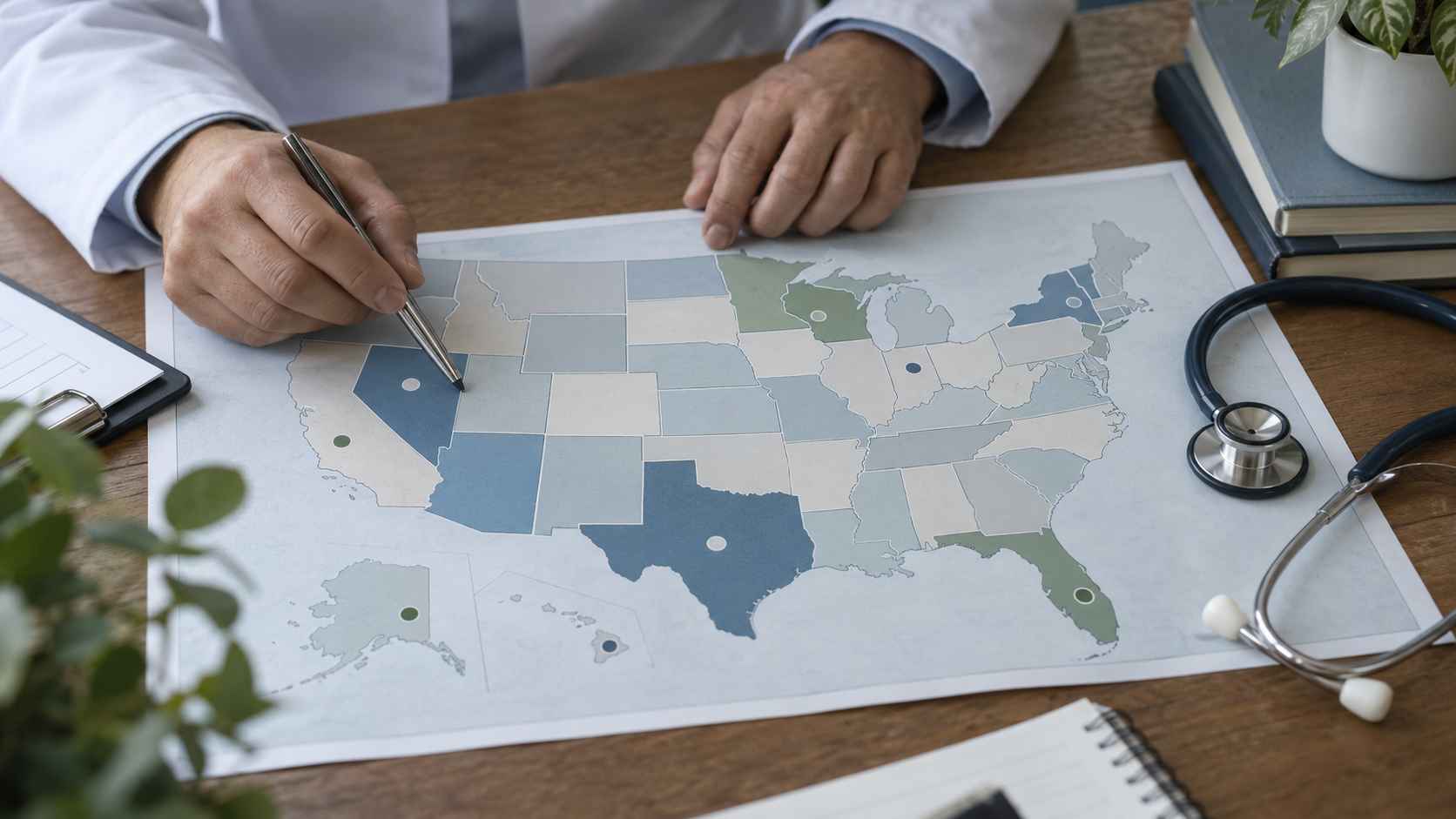
FDA lists 20 direct recipients across 15 states. Nineteen were wholesalers and one was a retailer.
The states are California, Georgia, Illinois, Iowa, Maryland, Mississippi, Nebraska, New York, North Carolina, North Dakota, Pennsylvania, South Carolina, Texas, Washington and Wisconsin.
The Laura Lynn soaps were sold through Ingles Markets, while the other four products went through wholesalers, according to Health.com.
For consumers, the wholesaler detail matters. Those 20 recipients should not be read as 20 stores or final points of sale. A wholesaler can send stock to multiple businesses after receiving it.
FDA makes the same distinction in its Enforcement Report guidance, which explains that the published distribution pattern describes initial distribution and may not include later movement by consignees.
In practical terms, a recalled bottle could have reached a workplace, school, healthcare facility, store or another shared bathroom without that individual location appearing in the federal distribution list.
Some Recalled Bottles Have Best-By Dates In 2028
One reason the recall still matters months after it began is the shelf life of the products. Several affected lots carry best-by dates extending into 2028.
A bottle stored in a supply cabinet can therefore look perfectly current even though its lot was recalled much earlier.
| Product | Affected Lot Codes | Best-By Dates |
|---|---|---|
| Summit 150 | BF97303, BF97304, BF97305 | 02/03/2028, 02/04/2028, 02/05/2028 |
| Intercon Foaming Pear | AF97312, 26-01001, 26-01803 | 01/12/2028, 03/13/2028, 03/28* |
| Laura Lynn Honey Apple Crisp | C3576, 26-01804 | 11/05/2026, 03/28* |
| Laura Lynn Foaming Pear | 26-01001 | 03/13/2028 |
| Vestis Fresh Pear | 26-03091 | 05/28* |
| Clearly Better | 26-01001, 26-01803 | 03/13/2028, 03/28* |
*FDA presents these entries in month/year shorthand rather than as a specific day.
Some lot numbers also appear on more than one product. Lot 26-01001 is listed for Intercon Foaming Pear, Laura Lynn Foaming Pear and Clearly Better, while 26-01803 appears on Intercon Foaming Pear and Clearly Better.
The public record does not explain what the shared lot numbers represent, so they should be used for identifying recalled stock rather than as evidence of a particular manufacturing cause.
Which Bacteria Were Found?
FDA identified five bacterial species in two of the six soaps: Intercon Foaming Pear Hand Soap With Aloe and Clearly Better by Intercon Foaming Pear Hand Soap With Aloe.
- Pseudomonas aeruginosa
- Pseudomonas putida
- Pseudomonas monteilii
- Serratia marcescens
- Serratia nematodiphila
The other four products are listed as having “potential bacterial contamination,” without individual bacterial species named.
That does not mean all six soaps contained the same organisms. It means the public FDA information is more specific for two products than for the other four.
Pseudomonas aeruginosa deserves particular attention because it can cause infections in different parts of the body. The Centers for Disease Control and Prevention says infections can affect the blood, lungs, urinary tract and other areas.
Most healthy people who briefly used one of the soaps should not assume that exposure means they will become seriously ill. FDA placed the recall in Class II, not the category reserved for situations where serious health consequences or death are reasonably probable.
Risk is more concerning for people with open wounds, weakened immune systems, catheters, ventilators or other medical conditions that give bacteria an easier route into the body.
What Symptoms Should Someone Watch For?
The symptoms depend on where an infection develops.
Redness around a cut that keeps spreading, increasing swelling, warmth, pain or drainage can point to a skin or wound infection. Eye exposure becomes more concerning if redness is accompanied by persistent pain, swelling, discharge or changes in vision.
Fever, worsening pain or signs that an infection is spreading deserve more attention than temporary skin irritation after washing.
Anyone who develops signs of infection after using a confirmed recalled lot should tell a healthcare professional about the exposure. The product name, UPC and lot code are useful details to have available.
No symptom can establish by itself that the soap caused an infection, and FDA has not reported a confirmed outbreak tied to these six products.
How Could Bacteria End Up In Hand Soap?
The recall record does not identify where the contamination began, but bacteria in liquid personal-care products are not an unknown problem.
A 2015 study published in International Microbiology, Increasing Antibiotic Resistance in Preservative-Tolerant Bacterial Strains Isolated From Cosmetic Products, examined bacteria repeatedly recovered from preserved cosmetic products. The organisms studied included Pseudomonas putida, one of the species named in the Intercon recall.
The researchers found reduced susceptibility to some preservatives among certain bacterial isolates. The study did not involve Intercon Chemical and does not establish what caused the current recall.
A separate 2016 investigation, Hand Soap Contamination by Pseudomonas aeruginosa in a Tertiary Care Hospital: No Evidence of Impact on Patients, documented heavily contaminated liquid soap that investigators considered probably contaminated during manufacturing.
Those findings show that contamination can occur during production and that some bacteria can survive in products designed to resist microbial growth. Neither study tells us how the Intercon products became contaminated.
How To Check If Your Bottle Is Recalled
Start with the product name, but do not stop there.
The UPC identifies the exact product, while the lot code identifies the affected production lot. The best-by date provides another useful check for products with several listed lots.
A bottle with the same brand name but a different lot code has not been identified as part of this recall solely because the branding matches.
If the product, UPC and lot code all match the recall information, remove the bottle from use. Do not leave it in a shared dispenser where another person can continue using it.
The FDA record does not establish one universal refund or return procedure, so anyone seeking a replacement or refund will need to contact the retailer, wholesaler or supplier that provided the product.
The same basic rule applies when checking any recalled product. A brand name tells you where to look, but the identifying codes determine which specific stock was recalled.
Why The Recall May Not Have Been Easy To Notice
Not every FDA recall receives a standalone consumer press release. FDA publishes classified recalls through its Enforcement Reports system, while its cosmetics recall policy says public warnings are issued when the agency considers them necessary based on the health hazard and the ability of other measures to prevent use.
For a recall involving products that can remain in supply closets for years, that makes checking the actual product codes especially important. A 2028 best-by date can make a bottle look current even when the lot should already have been removed.
For readers who want to review the underlying federal listing, FDA records the six product recalls under enforcement event 99466.
Related Posts:
- Trump Hand Bruising Back In Focus After White House Event
- Radioactive Contamination Found in Western New York…
- Cetirizine Recall Hits Store Shelves After Allergy…
- Mangoes Sold at Walmart Recalled Over Salmonella…
- Nearly 19 Million Eggs Recalled Over Salmonella Risk…
- FDA Warns Frozen Blueberries Could Pose Serious Health Risk