
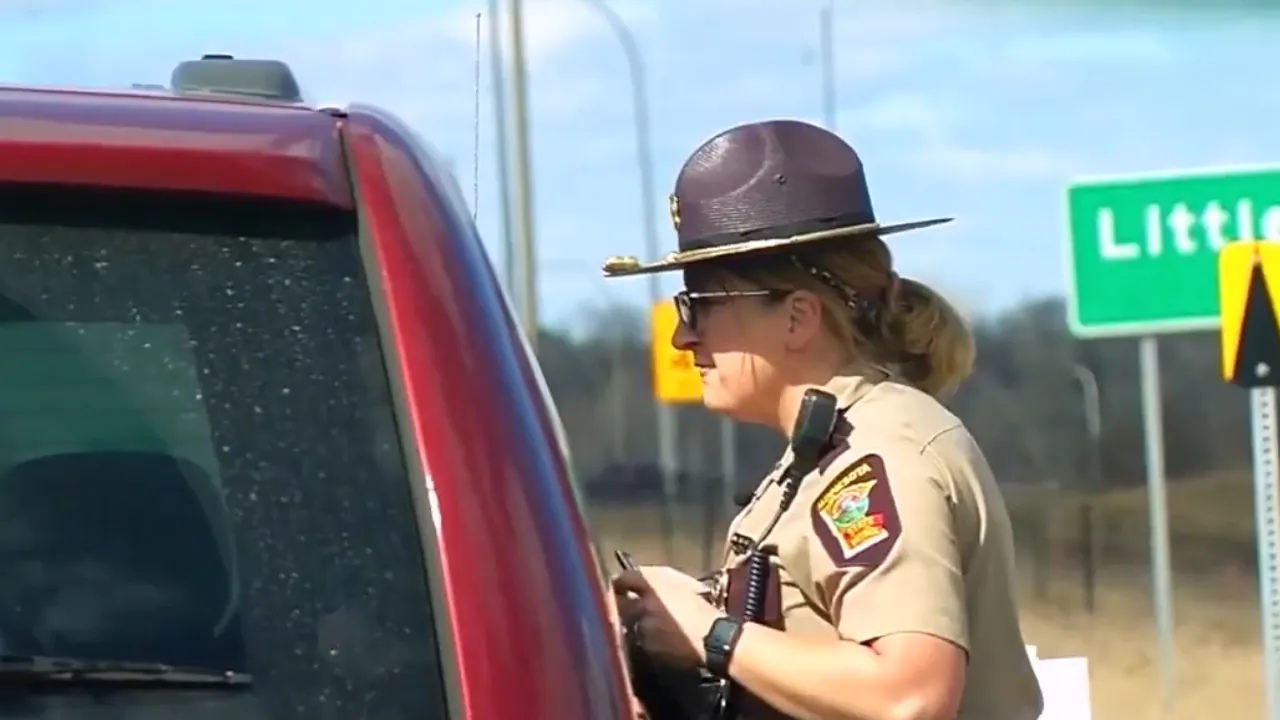
Minnesota is increasing impaired-driving enforcement during one of the busiest periods of the summer travel season.
Nearly 300 law-enforcement agencies across the state are taking part in extra DWI patrols that began August 19 and continue through Labor Day.
Increased enforcement comes as officials confront a serious toll linked to alcohol-impaired driving in 2026.
By the time officials announced the campaign, Minnesota had recorded 62 alcohol-related traffic deaths.
Minnesota Has Recorded More Than 13,600 DWI Arrests in 2026
Alcohol-related crashes have already caused substantial harm across Minnesota this year.
Such figures show that impaired driving continues to contribute to severe crashes even with regular enforcement and public-safety campaigns already in place. More than 13,600 DWI arrests also indicate how frequently officers are encountering motorists suspected of driving while impaired. Additional patrols are intended to increase enforcement visibility and reduce those risks during the closing weeks of summer. Summer travel creates several conditions that can increase roadway risk. Vacations, festivals, weekend trips, outdoor gatherings and Labor Day celebrations all put more motorists on the road. Alcohol consumption can also rise around social events and holiday gatherings. Historically, the 100 days between Memorial Day and Labor Day have been among Minnesota’s most dangerous periods for traffic fatalities. During a comparable summer period cited in state traffic-safety reporting, 111 people died on Minnesota roads. Alcohol was a factor in 37 of those deaths. Such numbers help explain why officials are concentrating additional DWI enforcement around Labor Day instead of treating it as an ordinary travel weekend. Extra patrols give officers another opportunity to remove impaired motorists before a crash occurs. Officers will be watching closely for behavior that can indicate impairment, especially during periods when alcohol-related crashes are more likely. Drivers who are stopped on suspicion of impaired driving can face field sobriety tests, chemical testing and possible arrest depending on the circumstances. Thankfully, lawyers like Keller Criminal Defense Attorneys handle Minnesota DWI cases involving these types of traffic stops and testing procedures. Visible enforcement also has a preventive purpose. Knowing that additional officers are conducting DWI patrols may discourage some motorists who have been drinking and push them toward safer transportation choices. DWI enforcement during the final weeks of summer fits into that wider effort to reduce serious crashes and fatalities. Impaired driving accounts for a significant portion of summer traffic deaths, but several other behaviors are contributing to fatal crashes across Minnesota. Summer crash figures cited by officials show: Alcohol accounted for the largest figure among these categories, but speeding and seat-belt use also played major roles. Distracted driving contributed to fewer fatal crashes in the cited period, yet even a few seconds of lost attention can have deadly consequences at highway speeds. Extra DWI patrols therefore represent one part of a broader effort aimed at changing several dangerous behaviors at once. Getting arrested for impaired driving can affect much more than a person’s ability to get home that night. Financial costs can include legal fees, fines, increased insurance expenses, and transportation costs after losing driving privileges. Legal penalties can also affect employment, family responsibilities, and everyday transportation. Much greater consequences can follow when impaired driving causes a crash. Serious injuries can permanently change lives, while fatal collisions leave consequences that no fine or court penalty can undo. Planning transportation before alcohol enters the picture is one of the simplest ways to prevent impaired driving. Drivers who expect to drink can arrange a designated sober driver, use a rideshare service, call a taxi or choose another safe transportation option. Waiting until the end of the night can make good decisions harder, especially after alcohol has already affected judgment. Minnesota officials are also reinforcing several basic summer driving habits. Motorists are being urged to slow down, buckle up, put phones away, and never drive impaired. Each of those decisions supports Minnesota’s long-term goal of moving toward zero roadway deaths. The Minnesota State Patrol is launching a new impaired driving enforcement campaign ahead of Labor Day with more patrols out on Minnesota roads to combat drunk driving. They are also hoping to continue a trend towards fewer crashes and injuries.https://t.co/At1GMl1uqp — News Talk 830 WCCO (@wccoradio) August 17, 2026 Minnesota’s 62 alcohol-related traffic deaths in 2026 provide a clear reason for intensified enforcement ahead of Labor Day. Nearly 300 participating agencies give the campaign a statewide presence during a period when travel, celebrations and alcohol-related risks often increase. Enforcement alone cannot eliminate impaired driving. Prevention also depends on motorists making safer choices before getting behind the wheel. Arranging a sober ride before celebrations begin can prevent an arrest, a serious injury or a fatal crash and keep another name out of Minnesota’s traffic-fatality statistics.
Late Summer Is a Dangerous Period on Minnesota Roads
What Drivers Can Expect During Extra DWI Patrols
Local police departments, sheriff’s offices and other law-enforcement agencies are participating in the statewide campaign.
Alcohol Is Only One Major Road Safety Risk
Traffic Safety Factor
Deaths or Fatal Crash Involvement
Alcohol
37 deaths
Speeding
31 deaths
No seat belt
16 deaths
Distracted driving
5 fatal crashes
A DWI Can Bring Serious Legal and Financial Consequences

Officials Urge Drivers to Plan a Sober Ride Before Drinking

FAQs
Closing Thoughts