
A nationwide cetirizine recall is sending allergy sufferers digging through their medicine cabinets this week, after federal regulators confirmed that bottles of the generic Zyrtec look-alike were cross-contaminated with an entirely different medication, one that’s already had its own troubled history with the U.S. drug supply.
The Food and Drug Administration says Unique Pharmaceutical Laboratories, a division of India-based J.B. Chemicals & Pharmaceuticals Ltd., voluntarily pulled four lots of 5 mg cetirizine hydrochloride tablets after a pharmacy technician noticed something off while counting out pills for a customer.
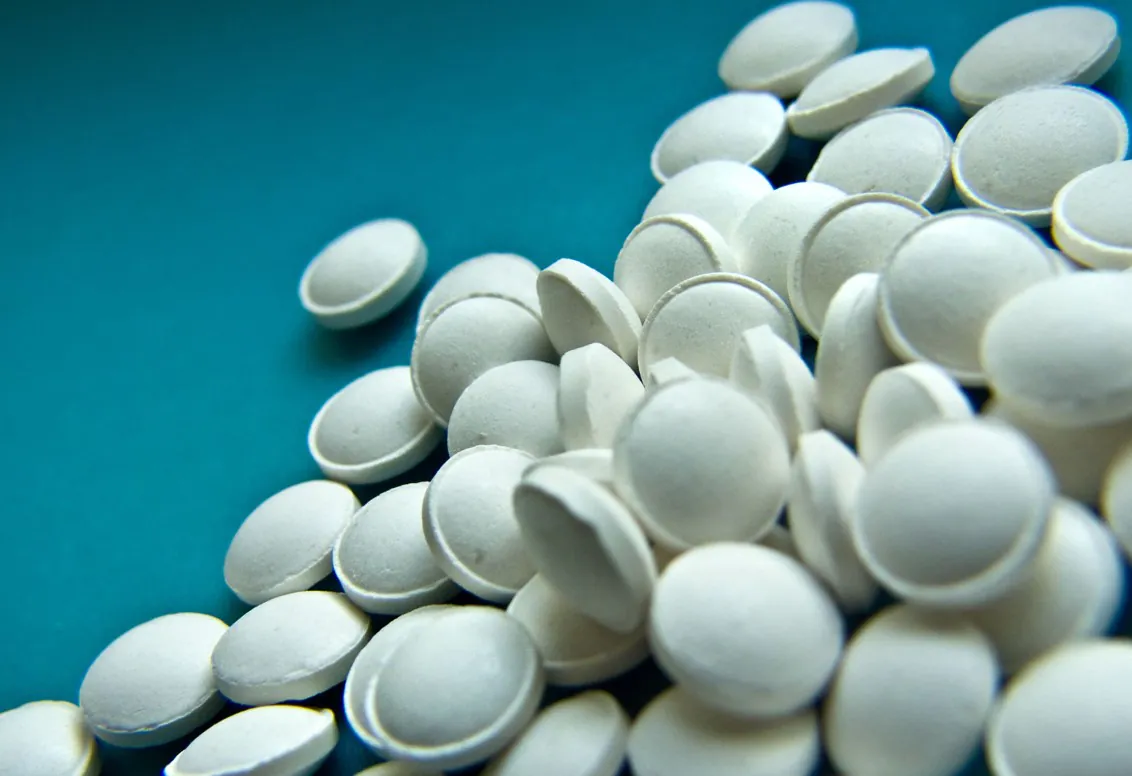
Some tablets had an odd red dot stamped on them. Others were visibly discolored, marked with multiple reddish spots that had no business being there.
What they turned out to be was ranitidine, the once-ubiquitous heartburn drug better known by its old brand name, Zantac.
Ranitidine was yanked from U.S. shelves back in 2020 after regulators found it could break down into NDMA, a probable human carcinogen, and only returned to market last year in a reformulated version.
For most cetirizine users, swallowing a stray ranitidine tablet wouldn’t do much. But for anyone with a ranitidine sensitivity, the FDA says the reaction could escalate fast, anaphylaxis, plunging blood pressure, a swelling throat, trouble breathing or swallowing, hives, even loss of consciousness.
So far, the company says it hasn’t received a single adverse-event report tied to the recall. That’s the good news buried in an otherwise unsettling story about how two unrelated drugs ended up in the same bottle in the first place.
Table of Contents
ToggleWhat’s Actually Being Recalled
The cetirizine recall is narrow but the tablets moved widely. Affected bottles are 100-count HDPE containers of 5 mg cetirizine hydrochloride tablets under NDC 16571-401-10, distributed nationally through wholesalers and pharmacies via Unique’s U.S. partner, Rising Pharma Holdings. The four recalled lot numbers are:
- GY825029
- GY825030
- GY825031
- GY825032
All four carry an October 2028 expiration date, so this isn’t old stock quietly aging in a warehouse, it’s product that could still be sitting, unopened, on a store shelf or in someone’s bathroom cabinet right now.
USA Today reports the recall was formally initiated July 19, days before the FDA’s public notice caught wider attention this week.
Should Everyone Just Throw Their Centrizine Bottle Now?
Anyone with cetirizine at home should flip the bottle over and check the lot number against the list above before taking another dose. It’s also worth a visual once-over of the tablets themselves, a red dot or blotchy discoloration on what should be a plain white pill is the tell regulators are pointing to. If either matches, the FDA’s advice is straightforward: stop using it.
Consumers with questions, or who want to report a suspect bottle, can reach Rising Pharma Holdings at 1-844-874-7464, weekdays from 8 a.m. to 5 p.m. ET, or by emailing pv@risingpharma.com.
Fox Business notes the company is also working with retailers to pull remaining stock from distribution.
It’s peak allergy season for much of the country, which is exactly the kind of timing that makes a recall like this land harder than it might in January.
Antihistamines are the sort of thing people buy in bulk and don’t think twice about, until a mislabeled ingredient turns a routine sneeze remedy into a genuine medical risk. For now, the fix is simple: check the lot number, check the pills, and when in doubt, toss the bottle and grab a fresh one.
It’s not the first time a drug is being recalled. Actually, that happens quite a lot. Previous case we covered was about Chlorthalidone Recall.