
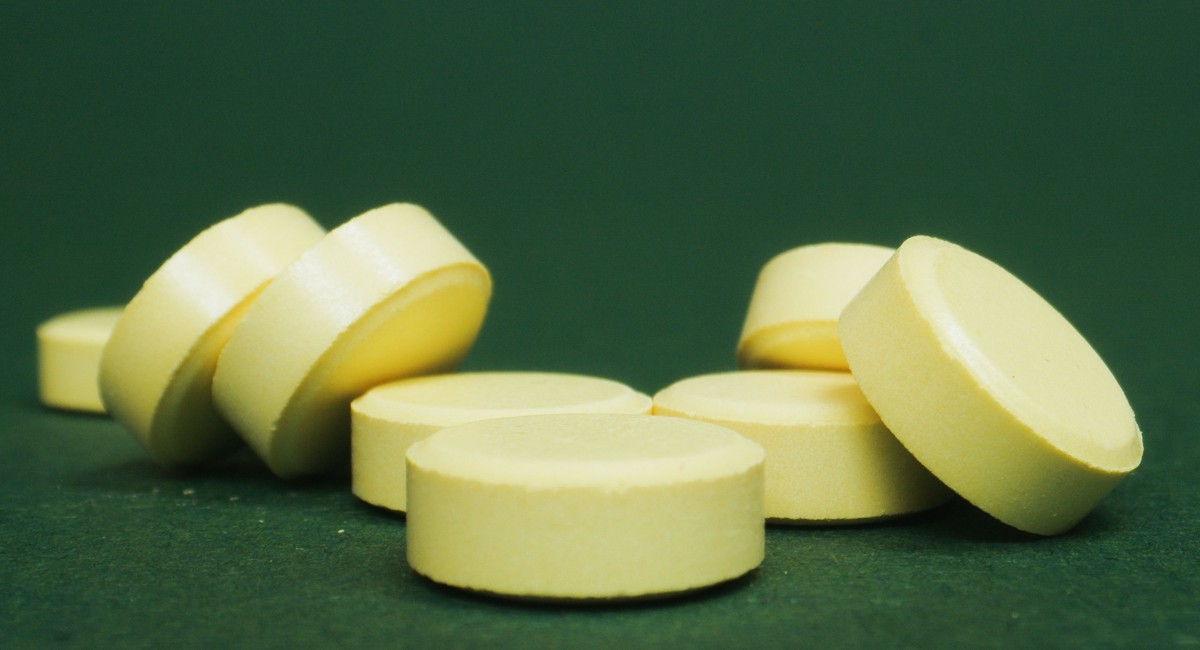
A nationwide chlorthalidone recall is affecting more than 11,000 bottles of a prescription blood pressure medication after testing found that some tablets may not dissolve properly.
The recalled product is Chlorthalidone Tablets, USP, 25 mg. Chlorthalidone is a diuretic, often called a water pill, used to treat high blood pressure and fluid retention.
MedlinePlus says the drug helps the kidneys remove extra water and salt from the body through urine. Untreated high blood pressure can damage the heart, brain, kidneys, blood vessels and other organs.
Also read: Cetirizine Recall
The FDA recall is classified as Class II. Under the FDA definition, a Class II recall means use of or exposure to the product may cause temporary or medically reversible health consequences, or that the chance of serious health consequences is remote.
The agency explains that classification system in its page on recall background and definitions.
Table of Contents
ToggleWhich Chlorthalidone Bottles Are Recalled?
The recall involves 11,460 bottles of 25 mg chlorthalidone tablets. The affected medication was manufactured by Inventia Healthcare Limited and distributed in the United States by Rising Pharma Holdings, according to reports citing FDA enforcement records.
Patients should check the label on their bottle for the following information:
- Product: Chlorthalidone Tablets, USP, 25 mg
- 100-tablet bottle: NDC 64980-599-01, batch RISA24001
- 1,000-tablet bottle: NDC 64980-599-10, batch RISB24002
- Expiration date: 04/2027
- Affected quantity: 11,460 bottles
Why The Blood Pressure Medication Was Recalled?
The recall was issued because the tablets failed dissolution specifications. Dissolution testing checks how a tablet breaks down and releases medicine in liquid. That matters because a tablet must dissolve properly for the body to absorb the medication as expected.
If a blood pressure medication does not dissolve correctly, it may not work the way the patient and clinician expect. For chlorthalidone, that could mean less reliable blood pressure control or less predictable effect on fluid retention.
Reports did not describe the recall as contamination. The issue is a manufacturing quality problem tied to how the tablets dissolve.
What Patients Should Do Now?
Patients taking chlorthalidone should not stop the medication on their own. Blood pressure medication can be important for preventing stroke, heart attack, heart failure, kidney damage and other serious problems.
The safest first step is to check the bottle. Look for the product name, strength, NDC, batch number and expiration date. If the bottle matches the recalled product, call the pharmacy that filled the prescription. A pharmacist can confirm whether the bottle is part of the recall and explain replacement options.
Patients should also contact their prescribing clinician, especially if they have high readings, swelling, dizziness, chest pain, shortness of breath or other new symptoms. A clinician can decide whether to switch medication, replace the supply, check blood pressure, or review potassium and kidney-related labs if needed.
Failed Dissolution Testing And Patient Risk
A pill is not useful only because it contains the right ingredient. It also has to release that ingredient at the right time and in the right way.
Dissolution problems can affect how much medicine becomes available in the body. For a blood pressure drug, the concern is that the patient may not receive the expected effect from the dose. That does not mean every person who took a recalled tablet was harmed. It does mean affected bottles should be checked and replaced through a pharmacy or prescriber.
Chlorthalidone is taken by many patients for long-term blood pressure control. Some patients may also receive it for edema, or fluid buildup, linked with heart, kidney or liver conditions. Those patients should be careful not to skip doses without medical advice.
How Serious Is A Class II FDA Recall?
A Class II recall is not the highest FDA recall level. Class I is used when a product could cause serious health consequences or death. Class II sits below that level, but it still signals a real problem that should be acted on.
For patients, the important point is practical. A Class II recall does not automatically mean an emergency, but it does mean the product may fail to meet standards and should not be ignored.
Anyone with a recalled bottle should call the pharmacy before throwing the medication away. Pharmacies can check purchase records, confirm the lot, and arrange a replacement if needed.
Patients should keep the bottle available because the NDC and batch number are needed to verify whether the medication is affected.
What To Remember?
The chlorthalidone recall affects specific 25 mg bottles, not every chlorthalidone prescription. Patients need to check the label carefully.
The recalled bottles are tied to failed dissolution testing, which means the tablets may not dissolve as expected. That could affect how well the medication works.
Anyone with a matching bottle should contact a pharmacist or healthcare provider. Do not stop taking blood pressure medication without medical guidance, because uncontrolled blood pressure can create a greater health risk than the recall itself.