
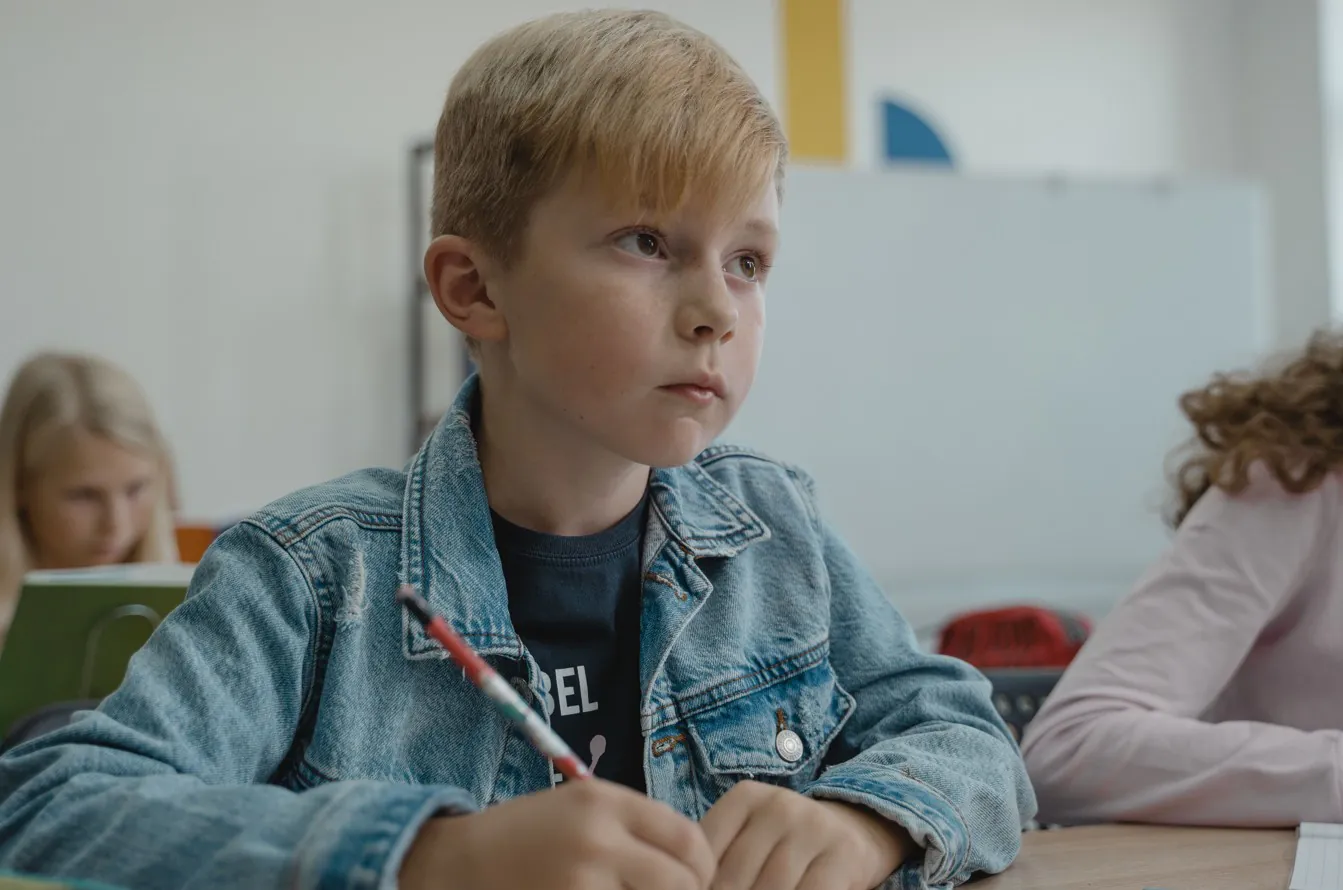
Schools spent years buying tablets, laptops and learning apps with little patience for anyone who asked if children actually needed more screen time. Artificial intelligence has now pushed that old argument into more difficult territory. A device no longer displays the lesson. It can read the assignment, write the answer and remove most of the thinking in between.
The American Federation of Teachers now wants elementary students kept away from direct AI use. The debate surrounding the union’s proposal has already produced the expected reaction. Supporters see a necessary limit. Critics see another attempt to keep new technology out of classrooms.
The union has a point. A fourth grader does not need a chatbot that can finish a paragraph before the child has learned how to build one.
The Proposal Is More Careful Than the Headline Suggests
The AFT is not demanding that every school switch off every AI system. Its new plan for classroom technology calls for no student-facing AI in elementary schools. It also calls for screen-free instruction from preschool through second grade, apart from cases involving special needs or another strong educational reason.
Older students could still use AI under teacher supervision. Social companion chatbots would remain off limits until at least age 16. Teachers would keep access to approved tools.
That distinction is important. A teacher may use AI to prepare vocabulary exercises, simplify a reading passage or draft a message for parents. A student using the same system to complete the exercise is doing something very different.
The union’s position may look inconsistent because it also helped create a national AI training program for educators with Microsoft, OpenAI and Anthropic. No real contradiction exists. The AFT is arguing that trained adults should control the tool instead of handing it directly to young children.
Elementary School Is Where Children Learn to Work Without a Shortcut
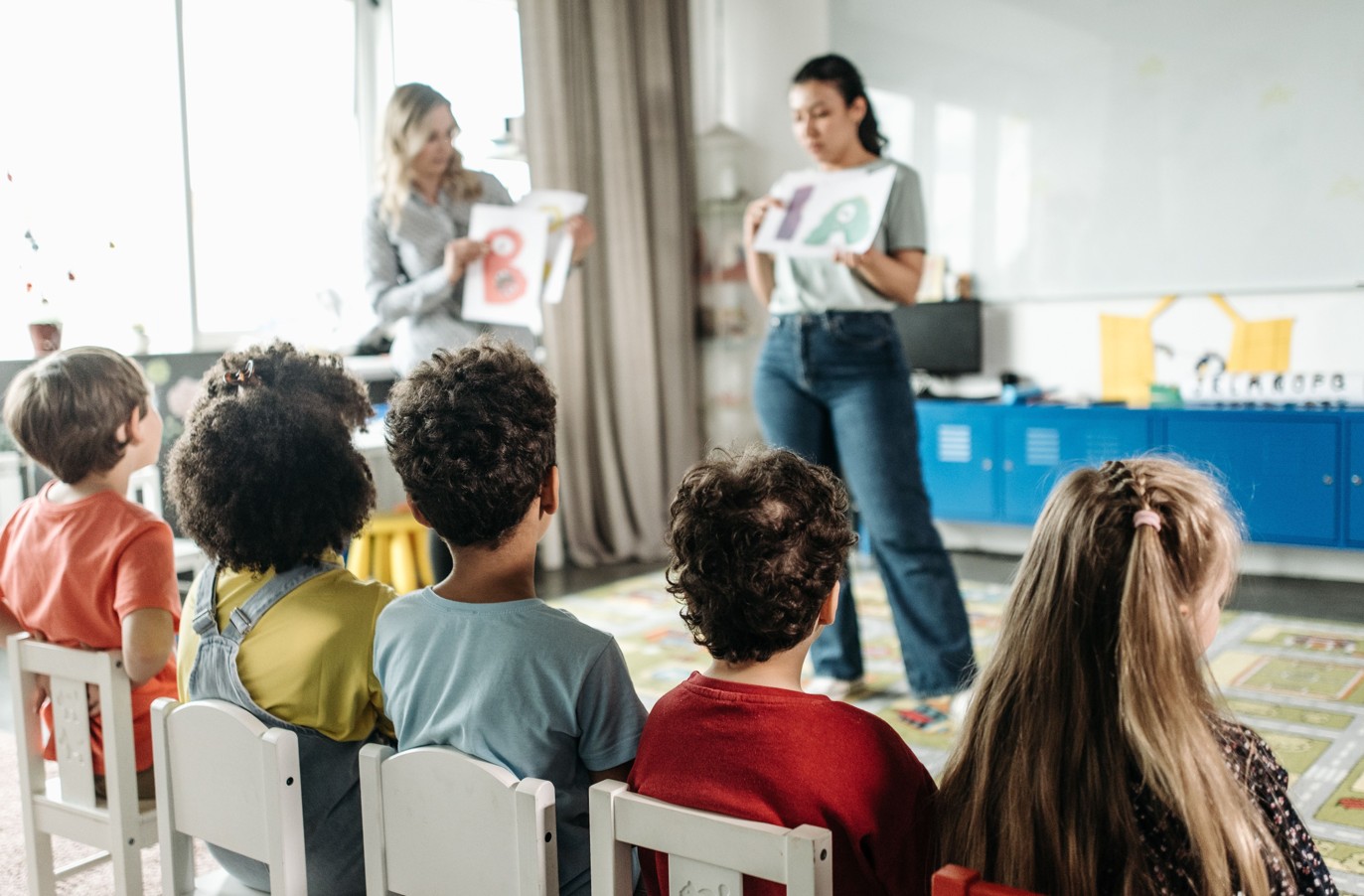
Children do not learn to write only by producing clean paragraphs. They learn by choosing the wrong word, crossing it out and trying again. Arithmetic works the same way. So does reading comprehension.
AI can hide that process. A finished answer may look acceptable even when the child cannot explain it. Teachers then lose the part of the assignment that matters most. They no longer see where the student became confused.
We previously examined how AI use has spread through student assignments. Misuse is not limited to copying an entire essay. Students can ask for an outline, rewrite a weak answer or request each step of a problem. The final work may pass a quick inspection. The student may still have learned very little.
The habit is already common among older children. A national survey of teenagers found that 54% had used chatbots for schoolwork. Ten percent of all teens said AI helped with most or nearly all of their work.
Elementary restrictions would not erase that problem. They could delay the habit until students have stronger reading, writing and reasoning skills of their own.
A School Ban Would Be Easier to Enforce Than It Sounds
Teachers should not have to inspect every sentence or run student work through unreliable detection software. Districts already control school accounts, Wi-Fi networks, learning platforms and most devices used in class.
Elementary accounts could block public chatbots. District software could disable generative features for younger grades. Approved systems could remain available to teachers. Special access could be provided for students who use assistive technology.
Purchasing rules would also need to change. Schools should know what information an AI product collects, where prompts are stored and how student data may be used. Federal privacy protections for children already place added duties on online services that collect personal information from users under 13.
No district can stop a child from opening a chatbot at home. Schools do not need to control every hour of a child’s life. They only need to decide what happens during the school day and what counts as the student’s own work.
Less AI Could Give Teachers Better Information
A teacher needs to know if a student can read a page, explain an idea and solve a problem without outside help. Direct AI access makes that harder to judge.
Schools have already started returning to handwritten tests and oral questioning for the same reason. A student who can explain an answer aloud usually understands it. A polished document uploaded from home proves much less than it once did.
Elementary classrooms could gain something else. Time now spent moving between apps could return to books, discussion, handwriting, experiments and group projects. Young children need practice speaking to people who disagree with them. They need to wait for a turn. They need to ask a teacher for help.
An AI assistant is fast and agreeable. Neither quality makes it a good replacement for those experiences.
The Union Should Not Pretend AI Has No Educational Value
A blanket rejection would be a mistake. Carefully designed AI can help teachers prepare material. It can support translation. It can give students additional practice when an adult remains involved.
A major review of AI in education found that well-designed tools can improve access and support learning. The same work warned that overreliance can weaken independent learning, relationships, privacy and student well-being.
The key word is overreliance. Children should not reach high school without learning how AI works. They also should not reach high school unable to write a page without it.
Schools Are Starting to Correct an Earlier Mistake
Los Angeles has already approved strict classroom screen limits for younger students. The policy removes routine screen use from the earliest grades and limits it later in elementary school.
Such rules would have sounded extreme a few years ago. Schools were still treating every new device as evidence of progress. Teachers and parents now have enough experience to see the tradeoff.
Keeping AI away from elementary students would not turn schools against technology. It would place the burden of proof back where it belongs. Companies would need to show that a product helps children learn instead of expecting classrooms to adopt it first and measure the damage later.
Young students will meet AI soon enough. Schools should make sure they learn how to read, write, calculate and think before a machine begins offering to do those things for them.