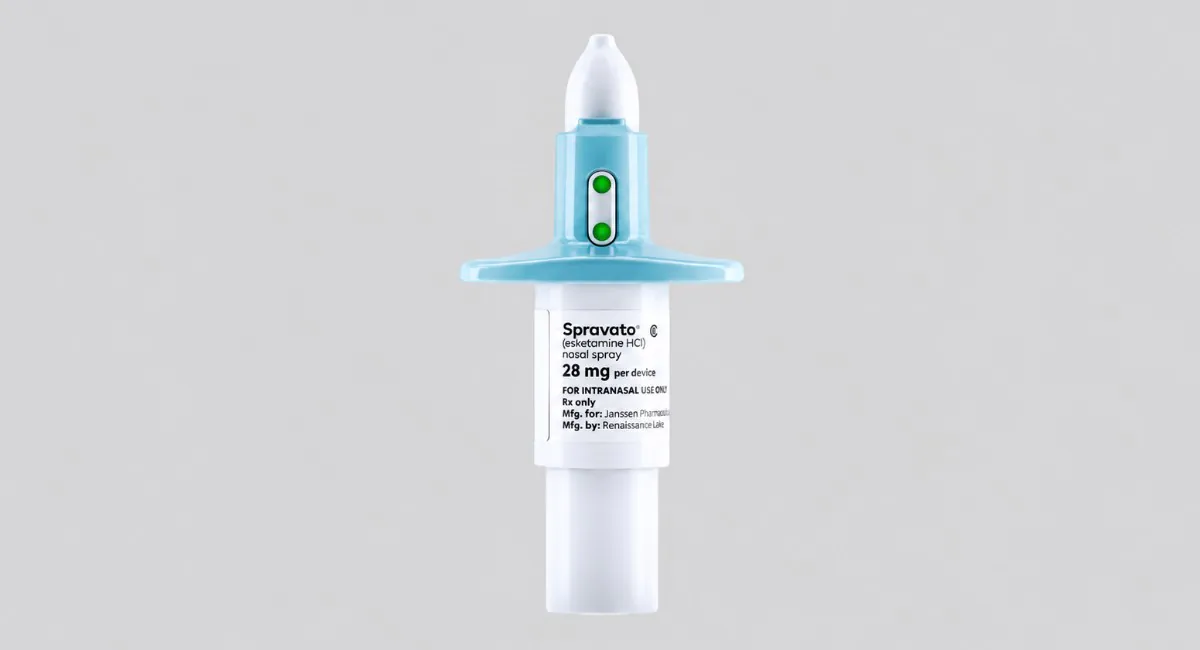
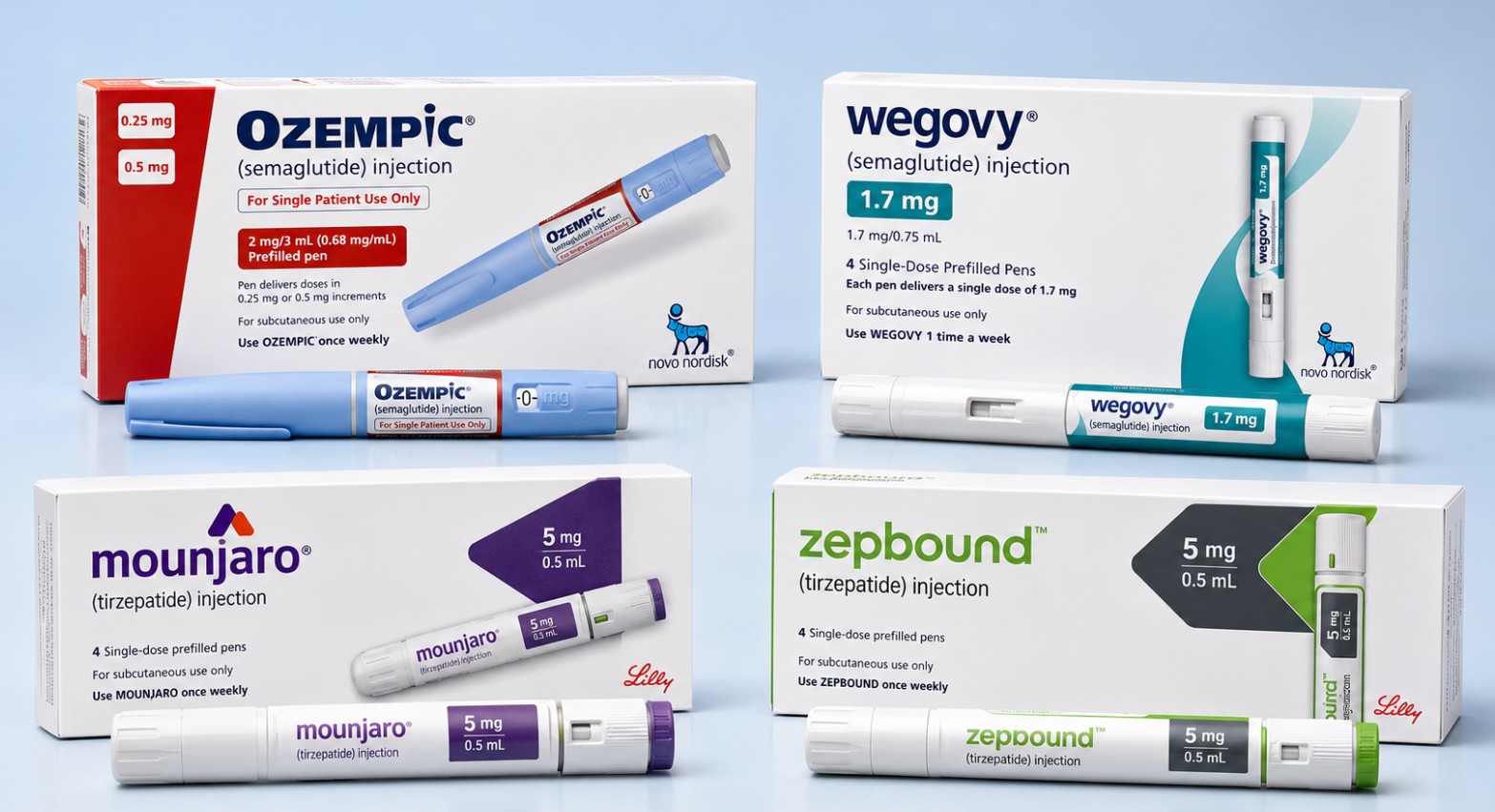
GLP-1 drugs such as Ozempic, Wegovy, Mounjaro and Zepbound are best known for diabetes treatment and weight loss. Researchers are now investigating a very different possibility. The same drugs may also help people struggling with addiction.
The idea did not begin with a new addiction medication being designed in a laboratory. Doctors and patients started noticing something unexpected after GLP-1 treatment began. Some people said they wanted less alcohol, smoked fewer cigarettes or felt fewer cravings for substances they had previously struggled to avoid.
Those reports are now being backed by much larger studies.
A 2026 analysis of more than 600,000 US veterans found lower rates of several substance use disorders among people taking GLP-1 drugs. Earlier research found fewer alcohol-related hospitalizations among people using semaglutide and liraglutide. A randomized trial also found that semaglutide reduced alcohol craving and some measures of drinking.
None of that makes Ozempic or Wegovy an approved addiction treatment. It does explain why researchers are now testing GLP-1 medications directly in people with alcohol use disorder and looking more closely at their effects on nicotine, opioids, cocaine and cannabis.
Several studies have also found early signs that some of these drugs could have a role in anti-aging medicine.
Table of Contents
ToggleMore Than 600,000 US Veterans Were Included in a Major Study
One of the clearest recent signals came from a study published in The BMJ in March 2026.
Researchers examined health records from 606,434 US veterans with type 2 diabetes. They compared people who started a GLP-1 receptor agonist with people who started an SGLT2 inhibitor, another type of diabetes medication.
The researchers separated the analysis into two groups.
- People who did not already have a diagnosed substance use disorder
- People who already had a substance use disorder
Among veterans without a previous diagnosis, GLP-1 use was associated with fewer new substance use disorders involving alcohol, cannabis, cocaine, nicotine and opioids.
The absolute differences over three years were relatively small, but they appeared repeatedly for different substances.
| Substance use disorder | Difference linked to GLP-1 use per 1,000 people |
|---|---|
| Alcohol | About 5.6 fewer cases |
| Cannabis | About 2.3 fewer cases |
| Nicotine | About 1.6 fewer cases |
| Cocaine | About 1 fewer case |
| Opioids | About 0.9 fewer cases |
| Other substance use disorders | About 1.1 fewer cases |
Looking at absolute numbers is useful because percentages alone can make an effect appear much larger than it is.
The same study also found better outcomes among veterans who already had a substance use disorder. GLP-1 treatment was associated with about 8.9 fewer substance-related emergency visits, 6.2 fewer hospital admissions and 1.5 fewer substance-related deaths per 1,000 people.
Researchers at Washington University School of Medicine, which led the work, said the findings raise the possibility that GLP-1 drugs affect a biological process shared by several forms of addiction.
The Results Do Not Prove GLP-1 Drugs Prevent Addiction
The veterans study was based on medical records rather than a trial where people were randomly assigned GLP-1 treatment specifically for addiction.
People prescribed GLP-1 medications may differ from other patients in ways that affect substance use. They may receive different medical care, have different health goals or make other lifestyle changes after starting treatment.
Researchers adjusted for many of those differences, but an observational study cannot remove every possible explanation.
That is why the findings are useful as a signal rather than proof that GLP-1 drugs directly prevent alcohol, nicotine or opioid addiction.
Randomized trials are needed to answer that question more clearly.
Alcohol Is the Addiction Researchers Have Studied Most Closely
Alcohol use disorder currently has more human evidence behind it than the other addictions being investigated.
A randomized clinical trial published in JAMA Psychiatry tested semaglutide in 48 adults with alcohol use disorder.
Participants received either weekly semaglutide or a placebo for nine weeks.
People receiving semaglutide consumed less alcohol during a controlled drinking session and reported lower weekly alcohol cravings.
Some measures of drinking outside the laboratory also improved. The medication did not improve every outcome measured in the trial, and the study was small.
The result still mattered because random assignment gave researchers a better way to separate the effect of semaglutide from differences between people who choose or receive different treatments.
An additional finding appeared among participants who smoked. Those receiving semaglutide reduced their daily cigarette use more than participants receiving placebo.
More Than 200,000 People With Alcohol Use Disorder Were Studied in Sweden
Another important piece of evidence came from Sweden.
A JAMA Psychiatry study examined more than 200,000 people diagnosed with alcohol use disorder.
Researchers compared periods when the same individuals were using different medications with periods when they were not taking them.
Semaglutide and liraglutide were associated with fewer hospitalizations related to alcohol use disorder.
The design reduced some differences between patients because each person was partly compared with their own treatment history.
It was still an observational study, so researchers did not describe the medications as proven treatments for alcohol addiction.
The findings instead added another reason to test semaglutide under controlled conditions.
Why Would a Diabetes and Weight-Loss Drug Affect Addiction?
GLP-1 drugs affect more than blood sugar and digestion.
GLP-1 receptors are also present in areas of the brain involved in motivation, reward and reinforcement.
Those systems play a role in eating behavior, which helps explain why the medications reduce appetite. The same brain circuitry is also involved when alcohol, nicotine, cocaine, opioids and other substances produce rewarding effects.
People taking GLP-1 drugs sometimes describe a reduction in persistent thoughts about food. Researchers are investigating a similar possibility with addictive substances.
Ziyad Al-Aly, senior author of the veterans study, described the idea as a reduction in “drug noise,” similar to the way some patients describe quieter thoughts about food after starting GLP-1 treatment.
The theory is that a substance becomes less rewarding or less difficult to ignore.
A person who previously spent much of the evening thinking about having a drink may experience less of that pull. Someone who smokes may feel less motivated to reach for the next cigarette.
Researchers still need to determine exactly which brain pathways are responsible and how much the effect differs between medications and substances.
The Addiction Effect May Extend Past Alcohol
Alcohol currently has the most developed human evidence, but the veterans study is interesting because the same general pattern appeared with several substances.
Lower rates were reported for:
- Alcohol use disorder
- Nicotine use disorder
- Cannabis use disorder
- Cocaine use disorder
- Opioid use disorder
That matters because most existing addiction medications target one particular substance.
Buprenorphine and methadone are used for opioid use disorder. Nicotine replacement and varenicline are used to help people stop smoking. Naltrexone and acamprosate are among the medications used for alcohol use disorder.
A medication that influences a reward process shared by several addictions would be unusual.
Researchers have not established that GLP-1 drugs actually work that way in patients. The veterans data provide a reason to test the idea rather than an answer.
The VA Has Now Started Testing Semaglutide Specifically for Alcohol Use Disorder
The US Department of Veterans Affairs has moved from observing the relationship to testing it directly.
In July 2026, the VA announced a national clinical trial of semaglutide for alcohol use disorder.
The CRAVE study is designed as a Phase 3 randomized, double-blind, placebo-controlled trial.
Veterans with moderate or severe alcohol use disorder will receive either semaglutide or placebo. Researchers will then compare changes in drinking and safety outcomes.
The federal trial record lists semaglutide doses up to 2.4 milligrams per week and a 28-week treatment period followed by a safety assessment.
The primary goal is to determine if semaglutide reduces risky drinking.
The VA says more than 400,000 veterans in its healthcare system have been diagnosed with alcohol use disorder.
We previously covered the trial in detail in our report on the Department of Veterans Affairs testing semaglutide for alcohol use disorder.
Results are not available yet, so the trial does not provide a new treatment option today.
GLP-1 Drugs Are Not FDA-Approved Addiction Treatments
Ozempic, Wegovy, Mounjaro and Zepbound are not approved by the FDA to treat alcohol use disorder, opioid use disorder, nicotine addiction or other substance use disorders.
People should not start taking a GLP-1 drug solely because they have heard it might reduce cravings.
Someone already taking one for diabetes or obesity should also avoid changing the dose in an attempt to drink less or stop another substance.
GLP-1 medications have known adverse effects, including nausea, vomiting, diarrhea, constipation and abdominal discomfort. They are also unsuitable for some patients because of other medical risks.
A possible addiction benefit has to be weighed against those risks in the same way researchers evaluate any other treatment.
Reduced Craving Does Not Solve Every Part of Addiction
Addiction involves much more than craving.
Physical dependence, withdrawal, stress, habits, trauma, mental health conditions, social circumstances and exposure to triggers all affect continued substance use.
Our guide to mental and physical addiction explains why someone can have intense psychological dependence without severe physical withdrawal, or dangerous withdrawal even when immediate cravings are limited.
That distinction becomes especially important with alcohol.
A person who has developed physical dependence on alcohol can become seriously ill after suddenly stopping. Withdrawal can involve seizures and other medical complications.
A medication that makes alcohol less appealing would not automatically remove those risks.
GLP-1 treatment, if it eventually earns a place in addiction care, would likely sit beside other treatments rather than replace every existing option.
Researchers Also Need to Know What Happens After GLP-1 Treatment Stops
Another unanswered question concerns treatment duration.
GLP-1 medications used for obesity are commonly treated as long-term therapy. Appetite frequently increases again after treatment ends, and some patients regain weight.
Addiction researchers now have to examine a similar issue.
If semaglutide reduces alcohol or nicotine cravings during treatment, researchers need to know what happens after the drug is discontinued.
Cravings may stay lower, return gradually or return quickly. Current evidence does not give a clear answer.
The outcome will affect how useful GLP-1 medications would be in addiction care and how long patients would need treatment.
The Public Health Potential Is Large Even if the Individual Effect Is Modest
Substance use disorders affect millions of Americans.
Our breakdown of substance abuse patterns in the United States shows how the problem changes by age and substance. Alcohol remains widely used among adults, nicotine exposure has shifted heavily toward vaping among younger people and opioid-related deaths remain concentrated in working-age adults.
Many people who need addiction treatment never receive medication.
The CRAVE trial record notes that fewer than 2% of US adults with alcohol use disorder receive medication treatment in a given year.
That treatment gap is one reason researchers are interested in adding another option.
GLP-1 medications are already used on a large scale for other conditions. Gallup reported in 2026 that 15% of US adults had used a GLP-1 medication for weight loss at some point.
As use expands, researchers have more real-world data available to identify effects that were not obvious when the drugs first entered clinical practice.
What We Know About GLP-1 Drugs and Addiction Right Now
The evidence is pointing in an interesting direction, but several questions remain open.
- Large observational studies link GLP-1 use with fewer new substance use disorders.
- People who already have substance use disorders have also shown fewer emergency visits, hospitalizations and other serious outcomes in observational data.
- A small randomized trial found that semaglutide reduced alcohol craving and some measures of drinking.
- Swedish health records linked semaglutide and liraglutide with fewer alcohol-related hospitalizations.
- The VA is now testing semaglutide specifically as a treatment for alcohol use disorder.
- No GLP-1 drug is currently FDA-approved to treat addiction.
Our team at NCHStats previously examined related findings on semaglutide, mental health and addiction risk. The newer studies are adding a more specific question to that discussion.
Researchers are no longer asking only if people taking GLP-1 drugs happen to drink or smoke less.
They are now testing if changing GLP-1 signaling can become part of addiction treatment itself.
Bottom Line
GLP-1 drugs are not addiction medications today, but the connection is becoming difficult to dismiss.
Studies involving hundreds of thousands of people have linked the drugs with lower rates of substance use disorders and fewer serious addiction-related outcomes. A randomized semaglutide trial has already produced encouraging alcohol results, and a much larger VA trial is now testing the idea directly.
Alcohol is currently the furthest along. Evidence involving nicotine, opioids, cocaine and cannabis needs more clinical testing.
If future trials confirm the effect, medications originally developed for diabetes and later transformed obesity treatment could eventually gain another role in medicine.
For people with addiction, the important question is now less about an unexpected side effect and more about whether researchers can turn that effect into a reliable treatment.
References
- The BMJ, GLP-1 Receptor Agonists and Risk of Substance Use Disorders Among US Veterans With Type 2 Diabetes
- Washington University School of Medicine, GLP-1 Medications Get at the Heart of Addiction
- JAMA Psychiatry, Once-Weekly Semaglutide in Adults With Alcohol Use Disorder
- JAMA Psychiatry, Repurposing Semaglutide and Liraglutide for Alcohol Use Disorder
- US Department of Veterans Affairs, VA Launches Trial of GLP-1 Treatment for Alcohol Use Disorder
- ClinicalTrials.gov, CRAVE Semaglutide Trial for Alcohol Use Disorder
- Gallup, GLP-1 Usage Reaches New High