
Losing every natural tooth can make a meal uncomfortable and speech harder. Paying for replacement teeth brings another problem for older Americans, because Original Medicare generally leaves dentures and implants outside its coverage.
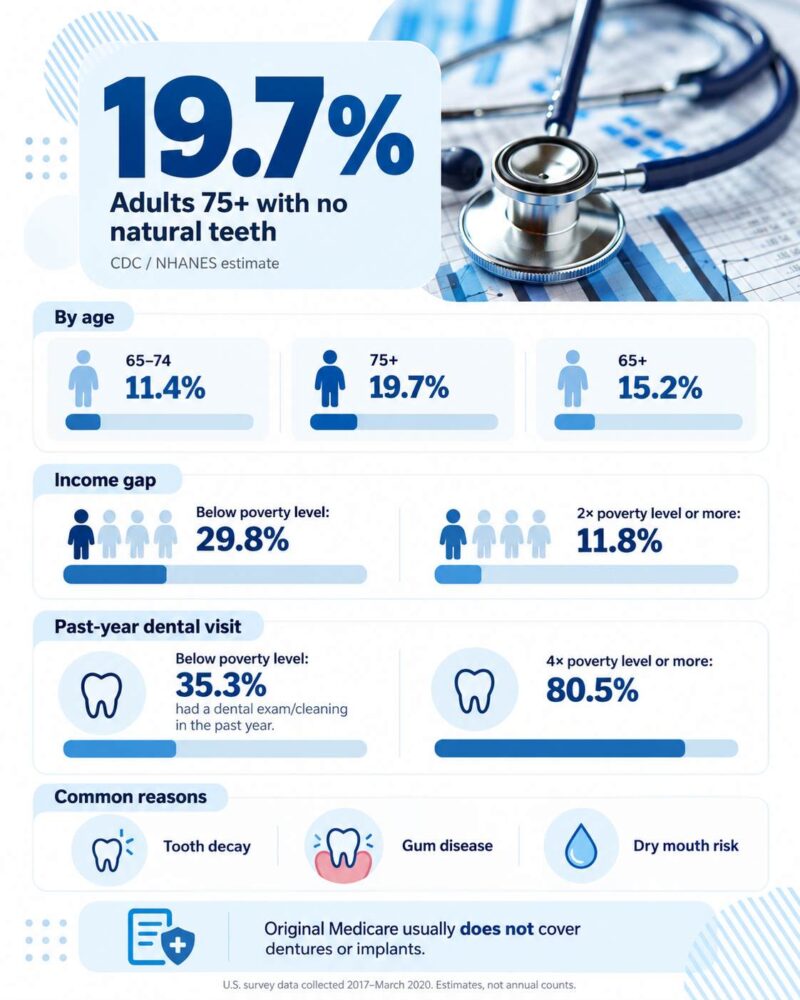
The CDC estimated that 19.7% of adults age 75 and older had lost all their natural teeth, close to one in five. Published in the 2024 CDC surveillance table, the figure comes from examinations conducted between 2017 and March 2020.
Income divides the results sharply. Among adults 65 and older, complete tooth loss affected 29.8% of those below the federal poverty level, compared with 11.8% of those with family incomes at least twice that threshold.
The Figure Counts People With No Natural Teeth
Dentists call complete tooth loss edentulism. A person with full dentures or implant-supported replacement teeth can still fall into that category, because artificial teeth do not restore natural teeth.
| Age | Complete Tooth Loss |
| 65 to 74 | 11.4% |
| 75 and older | 19.7% |
| All adults 65 and older | 15.2% |
Age-adjusted estimates from the National Health and Nutrition Examination Survey, 2017 through March 2020.
The percentages describe people who had already lost their teeth when examined. They do not mean that one in five older adults lost every tooth during a single year.
Lower Income Also Meant Fewer Dental Visits
A separate NCHS report on dental visits helps explain the care gap, although it does not establish the cause of tooth loss. Using 2022 survey responses, researchers found that only 35.3% of adults 65 and older below the poverty line had received a dental examination or cleaning in the previous year.
Among older adults with family incomes above four times the poverty level, 80.5% had received that care. Calculated from the published percentages, the gap was 45.2 percentage points.
Access to dental care in the US also tracked insurance coverage. A visit was reported by 69.6% of older adults with dental coverage, compared with 56.4% without it.
Both comparisons cover the full population age 65 and older. The survey asked about examinations and cleanings, so the results should not be treated as a count of every emergency appointment or dental procedure.
Decay And Gum Disease Can Destroy Teeth Before Old Age
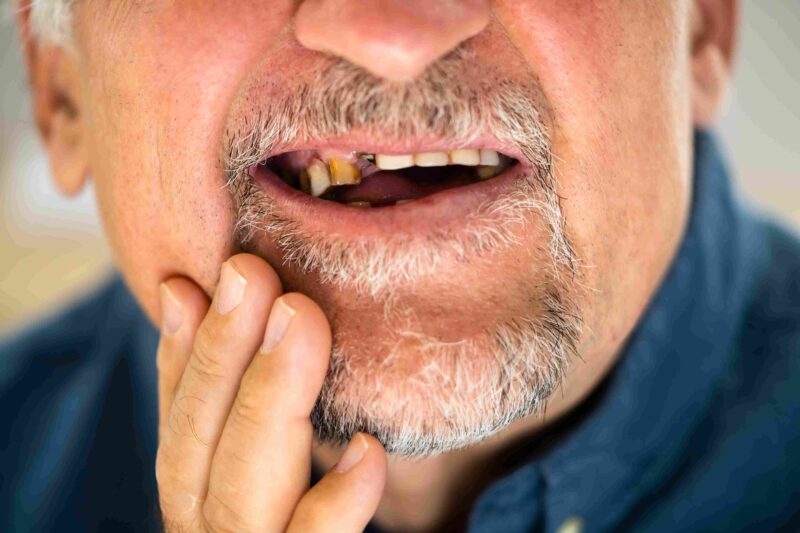
Cavities and periodontal disease, commonly called gum disease, are the leading causes of tooth loss, according to the CDC. Both are largely preventable through professional care and care at home. An older age group having more missing teeth does not establish that aging itself caused the loss.
Gum disease damages the structures that keep teeth in place. The National Institute of Dental and Craniofacial Research explains that untreated infection around the teeth can spread to supporting bone. Teeth can become loose and may eventually need removal.
Warning signs include gums that bleed easily, persistent bad breath and pain when chewing. Gums pulling away from teeth can make the teeth appear longer. A dental examination can assess the damage, and X-rays can reveal bone loss that a person cannot judge by looking in a mirror.
Smoking raises the risk of gum disease and can reduce treatment success by delaying healing. Diabetes is another risk factor. Treatment depends on how far the disease has progressed, from professional cleaning below the gumline to surgery in advanced cases.
A mouth that does not hurt is not proof that it is healthy. The CDC notes that some oral diseases produce no obvious pain or visible signs until they have reached a more serious stage.
Dry Mouth Can Leave Teeth More Exposed To Decay
Saliva helps wash away food particles and supplies minerals that protect teeth. Persistent dry mouth increases decay risk and can make chewing, swallowing and talking difficult, according to federal dental researchers.
Hundreds of medicines can reduce saliva production, including some prescribed for high blood pressure, depression and bladder control. Dry mouth is not a normal part of aging, even though older adults may encounter it while taking medicines for other conditions.
A dentist or doctor can review the medication list and investigate the cause. Depending on the findings, treatment may involve a prescribed saliva substitute or a medication adjustment made by the clinician. Stopping a necessary medicine without that review could leave the original health condition untreated.
Replacement Teeth Require Treatment And Healing
View this post on Instagram
The FDA describes complications after tooth loss that include bone loss in the jaw, speech problems and changes in chewing that cause discomfort.
Implants can support crowns, bridges or dentures. A dentist places the implant body into the jawbone, where it serves as a foundation for artificial teeth. Overall health and the condition of the mouth help determine suitability for surgery and the time needed to heal.
If tooth loss is making it difficult to eat or speak, getting help from a local dental specialist can prevent the problem from going unaddressed.
Depending on the condition of the jawbone and remaining teeth, some patients may qualify for same-day dental implant treatment in Philadelphia or wherever you live. Make sure to always have numbers of local services in case of emergencies.
A dentist can assess the damage, explain which replacement options are suitable and determine whether immediate treatment is possible.
Same-day treatment still involves a healing period. The American Academy of Implant Dentistry explains that immediate load dental implants allow a temporary tooth to be fitted at the same appointment as implant placement when there is enough bone and the implant is secure enough to support it.
The FDA says healing around an implant can take several months or longer. Smoking can interfere with healing, and complications can include infection, nerve injury or implant failure. A loose or painful implant needs prompt attention from the dental provider.
For someone missing a full upper or lower set of teeth, the academy also describes treatments using several implants to support an entire arch. A temporary set may be fitted on the day of surgery, followed by permanent replacement teeth after healing. Patients follow a modified diet during that interval.
Original Medicare Usually Leaves The Dental Bill With The Patient
An older adult can have health insurance and still lack coverage for replacing missing teeth. The Medicare dental coverage rules generally exclude routine cleanings, fillings, tooth extractions, dentures and implants. Patients pay all costs for services that are not covered unless another source of coverage pays.
Medicare does cover specific dental services directly connected to certain covered medical treatments. Examples include an oral examination and dental treatment before a heart valve replacement or organ transplant, and treating a mouth infection before chemotherapy.
Those exceptions do not create a general benefit for tooth replacement. A patient receiving covered dental work before another medical procedure should still confirm which individual services qualify. The coverage decision depends on the connection to the covered medical treatment.
Some Medicare Advantage plans offer dental benefits that Original Medicare does not provide. Benefits and patient costs vary by plan, so having a dental benefit does not establish that a particular implant or denture treatment will be paid for.
Before agreeing to treatment, a patient comparing the cost of dental treatment needs a written estimate and confirmation of coverage for the proposed procedures. An estimate should separate the total charge from the amount the insurer expects to pay, leaving the remaining patient cost clear.
Dentures Can Need Adjustment As The Mouth Changes
A set of dentures that once fitted well can become loose as the underlying bone changes. The FDA guidance on denture adhesives explains that shrinkage in the bone structure can lead to a need for relining or replacement.
Adhesive can provide temporary relief by filling gaps, but it does not reshape the denture to match the mouth. Adding more adhesive each day can leave the original fitting problem unresolved.
Some adhesives contain zinc. The FDA warns that chronic overuse can contribute to excess zinc in the body, which can cause nerve damage. Reports have involved people using far more adhesive than the product directions specified.
The agency has not found conclusive evidence that zinc-containing adhesives cause those problems when used as directed. Its advice includes following the label and consulting a dentist about poor fit rather than using extra adhesive to compensate.
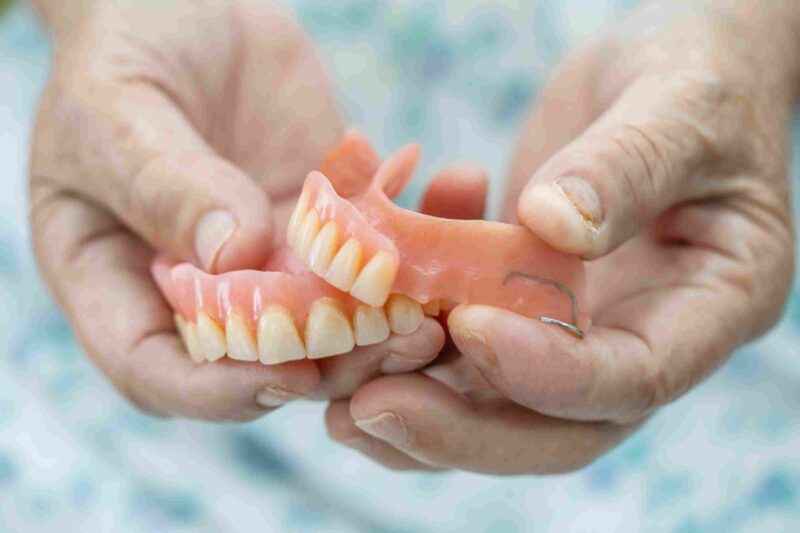
Dental Care Continues After The Last Natural Tooth Is Gone
The CDC recommends a dental visit at least yearly, including for people who wear dentures and have lost all their teeth. A dentist can examine the mouth for oral cancer and other health problems.
Dentures need daily cleaning. The agency also advises removing them overnight when possible, noting that wearing dentures can increase the risk of fungal infections in the mouth.
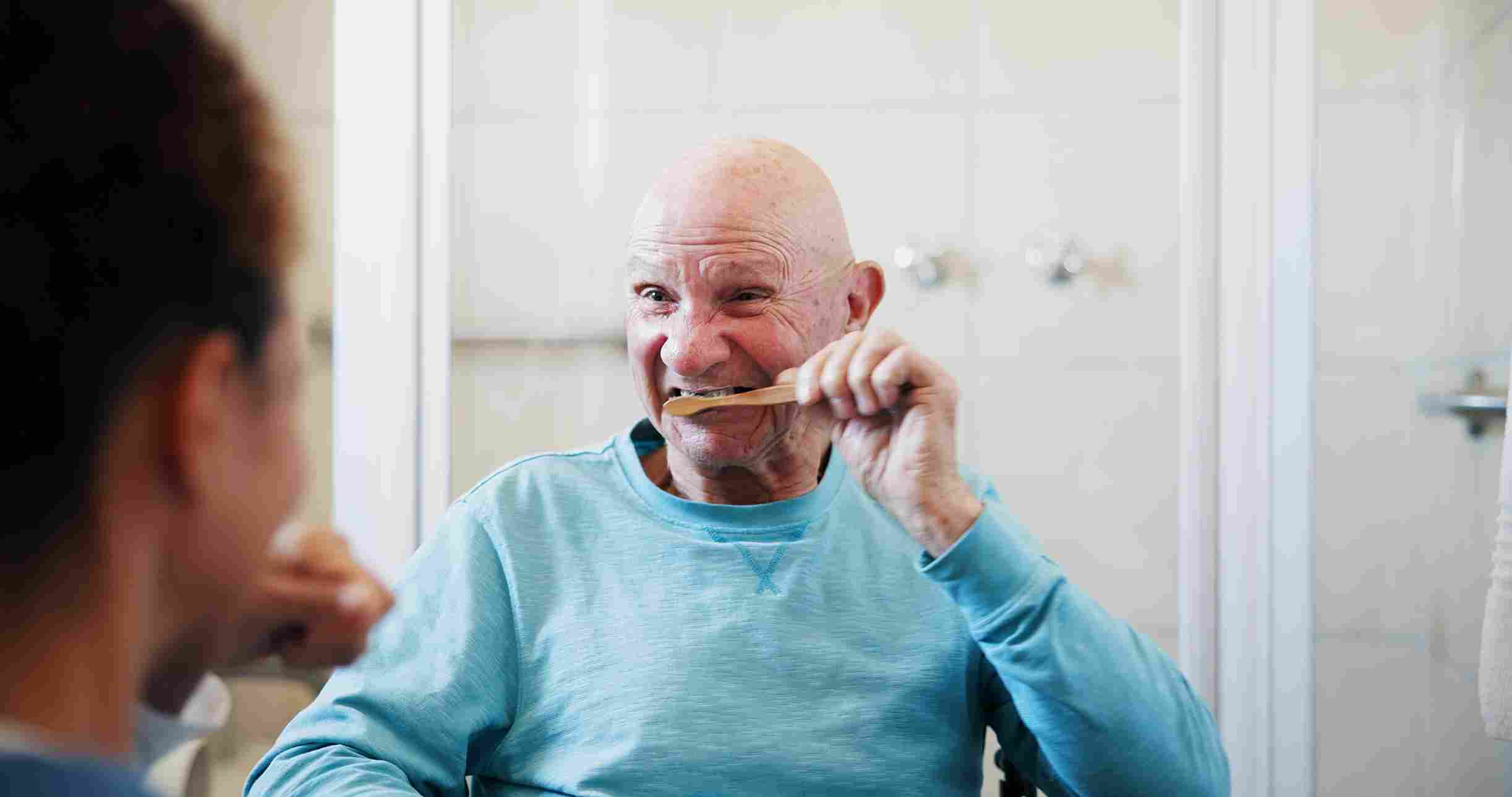
For older adults who still have natural teeth, prevention includes brushing twice daily with fluoride toothpaste and cleaning between teeth. Poor vision, physical limitations or cognitive problems can make those tasks harder. A caregiver can help when someone cannot brush or floss effectively alone.
Help with oral care may therefore involve another person as well as a dental appointment. The CDC advises discussing supplies or other ways to assist brushing and flossing with a dentist, particularly for people who are homebound or living in care centers.
Lower Cost Care Depends On Local Services And Eligibility
Federal dental researchers identify dental schools and community clinics as possible sources of reduced-cost care. At dental school clinics, students treat patients under the close supervision of experienced, licensed dentists.
Federally funded health centers may charge according to income. State or local health departments may also know of assistance available nearby. A clinic can confirm the services it provides, its fees and its appointment process before a patient commits to a treatment plan.
Medicaid dental benefits for adults depend on the state. Eligibility for Medicaid does not by itself establish coverage for dentures, implants or another specific procedure. Patients need the applicable state benefit information and confirmation that the treating provider accepts that coverage.
The National Institute of Dental and Craniofacial Research does not provide dental implants or financial assistance for treatment. Advertisements promising free implants or implant clinical trials through the institute are likely fraudulent, it warns.
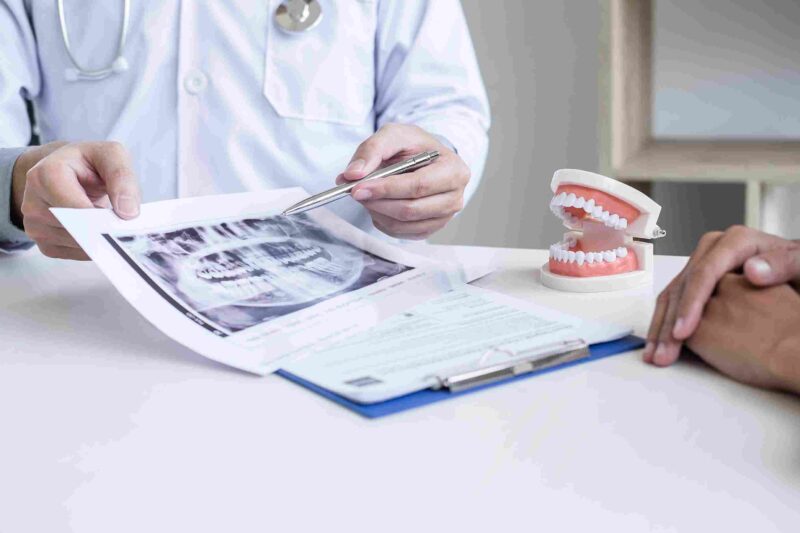
The Survey Does Not Include Nursing Home Residents
The CDC report describes examinations by trained dentists in mobile examination centers. NHANES represents the civilian, noninstitutionalized US population, which leaves nursing home residents outside the population represented by the headline estimate.
Researchers adjusted the estimates to a standard age distribution to improve comparisons between groups. The percentages remain survey estimates with sampling uncertainty, rather than exact counts of every American in each category.
Data collection stopped in March 2020 because of the pandemic. Researchers combined the incomplete 2019 to 2020 cycle with the 2017 to 2018 data and adjusted the survey weights to produce a nationally representative prepandemic file.
The 2024 publication date therefore describes when the report appeared, rather than when the teeth were examined. Its findings cannot establish the prevalence of complete tooth loss in 2026 or measure changes that occurred after the pandemic began.