
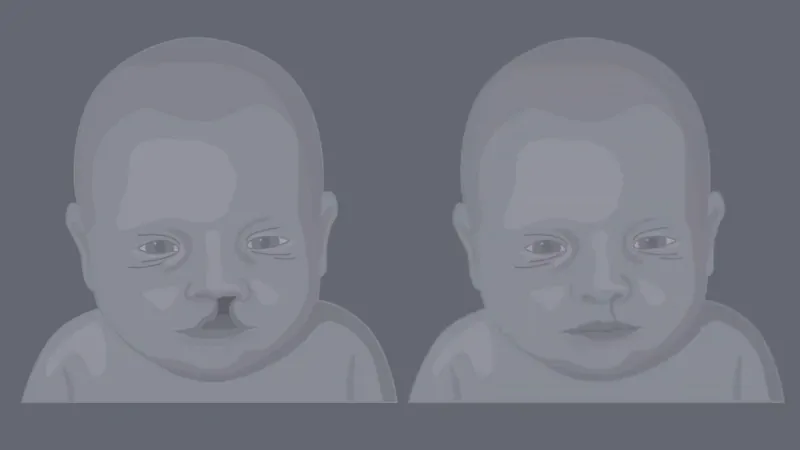
Birth defects are structural changes present at birth. They can affect the heart, brain, spine, face, stomach, limbs, eyes, or chromosomes.
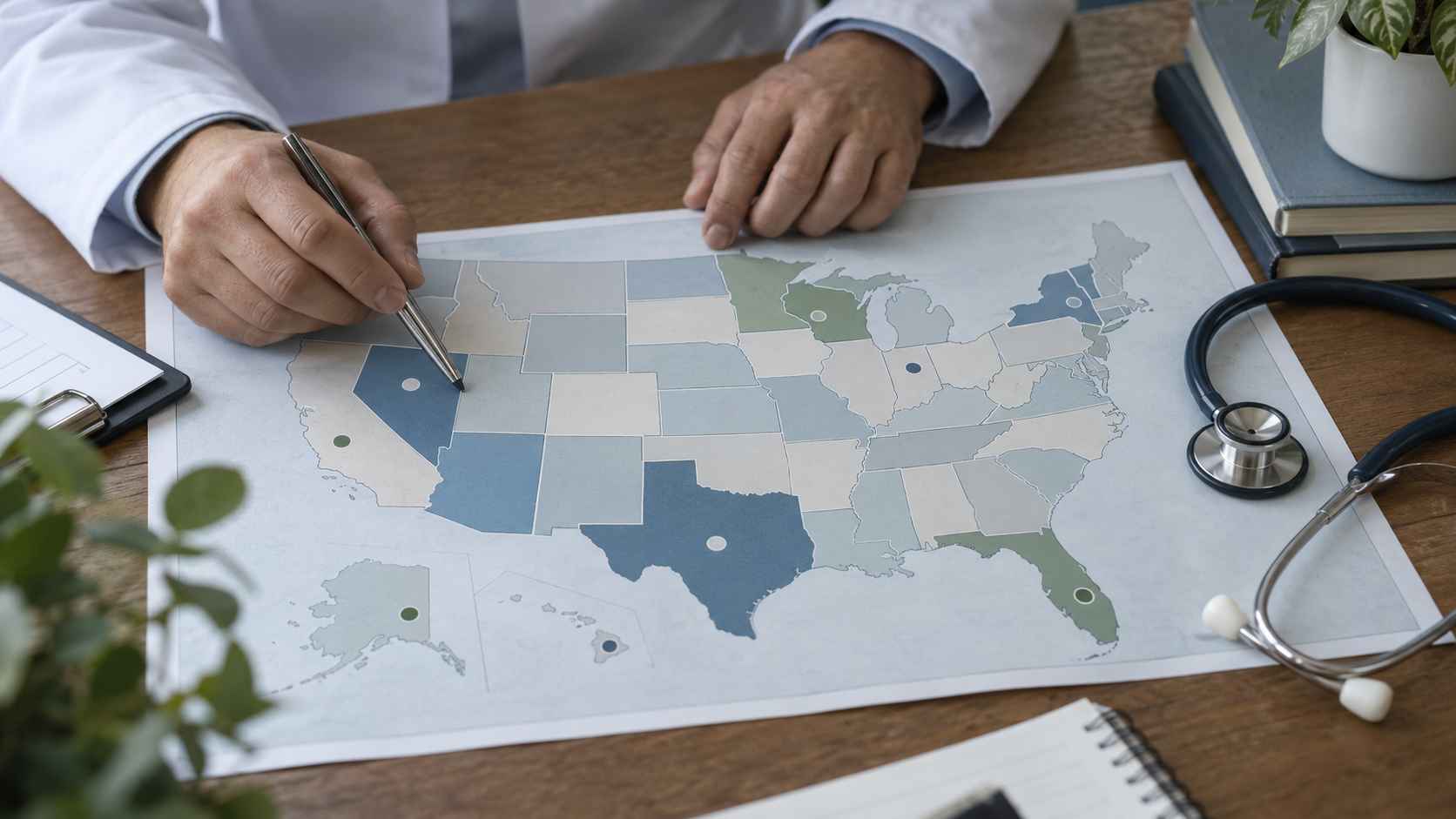
CDC says about 1 in every 33 babies in the United States is born with a birth defect. That makes birth defects one of the most important newborn health issues in the country.
The latest CDC national estimates, published in April 2026, cover selected major birth defects from 2018 through 2022. The estimates come from population-based birth defects surveillance programs that track cases through medical records and state reporting systems.
The clearest national pattern is not complicated. Congenital heart defects are the largest overall category. Among the 33 specific defects in the CDC estimate, clubfoot, Down syndrome and pulmonary valve atresia or stenosis had the highest prevalence.
Those numbers do not describe every possible birth defect. They describe selected major defects that surveillance programs can track with enough consistency to publish national estimates.
The Latest National Estimates
Many babies are born with birth defects, which can affect their health and development. Some may be identified before birth, while others are diagnosed once the baby is born. With the right care and support, many children with these conditions can lead healthy lives.
This World… pic.twitter.com/3IuJc9tHCP— CDC (@CDCgov) March 3, 2026
CDC’s 2026 data brief used information from 11 birth defects surveillance programs that collected all pregnancy outcomes and performed medical record abstraction. Those programs covered more than 4.23 million live births from 2018 through 2022, or about 23% of all U.S. births during that period.
That method gives a stronger estimate than a simple hospital count. It also explains why numbers can change from older articles. New reports use newer years, different program inclusion rules and updated case review.
| What The CDC Estimate Measures | Detail |
| Years covered | 2018 through 2022 |
| Programs included | 11 population-based birth defects surveillance programs |
| Births included | 4,231,701 live births |
| Share of U.S. births covered | About 23% |
| Defects included | 33 selected major birth defects |
| Main rate used | Cases per 10,000 live births |
CDC also notes that infants with more than one birth defect are counted in every applicable category. A baby with a chromosomal condition and a heart defect can appear in both groups.
The Most Common Specific Birth Defects
The table below ranks the most common specific defects in the latest CDC estimate. The annual case numbers are estimates, not exact national counts.
| Rank | Birth Defect | Prevalence | Estimated U.S. Cases Each Year |
| 1 | Clubfoot | 17.6 per 10,000 live births | About 6,507 |
| 2 | Trisomy 21, also called Down syndrome | 16.1 per 10,000 live births | About 5,952 |
| 3 | Pulmonary valve atresia and stenosis | 11.3 per 10,000 live births | About 4,178 |
| 4 | Cleft lip with cleft palate | 6.5 per 10,000 live births | About 2,403 |
| 5 | Cleft palate alone | 6.4 per 10,000 live births | About 2,366 |
| 6 | Atrioventricular septal defect | 6.3 per 10,000 live births | About 2,329 |
| 7 | Coarctation of the aorta | 5.8 per 10,000 live births | About 2,144 |
| 8 | Limb deficiencies | 5.4 per 10,000 live births | About 1,996 |
| 9 | Tetralogy of Fallot | 4.9 per 10,000 live births | About 1,812 |
| 10 | Rectal and large intestinal atresia or stenosis | 4.8 per 10,000 live births | About 1,775 |
Older versions of this topic often listed clubfoot and Down syndrome near the top. The updated CDC estimate keeps them near the top, but it also makes one heart defect, pulmonary valve atresia and stenosis, stand out more clearly than before.
Also read: Birth Injuries in the US
Heart Defects Remain The Largest Overall
View this post on Instagram
Congenital heart defects are the most common type of birth defect as a group.
CDC says heart defects affect nearly 1% of births, or about 40,000 babies each year in the United States. About 1 in 4 babies with a heart defect has a critical heart defect, meaning surgery or another procedure is usually needed in the first year of life.
The CDC birth defects estimate tracks several heart defects separately. It does not mean only those heart defects exist. It means those selected defects were included in the 2018 to 2022 national estimate.
| Selected Heart Defect | Prevalence | Estimated U.S. Cases Each Year |
| Pulmonary valve atresia and stenosis | 11.3 per 10,000 live births | About 4,178 |
| Atrioventricular septal defect | 6.3 per 10,000 live births | About 2,329 |
| Coarctation of the aorta | 5.8 per 10,000 live births | About 2,144 |
| Tetralogy of Fallot | 4.9 per 10,000 live births | About 1,812 |
| Transposition of the great arteries | 3.1 per 10,000 live births | About 1,146 |
| Hypoplastic left heart syndrome | 2.6 per 10,000 live births | About 961 |
| Dextro-transposition of the great arteries | 2.6 per 10,000 live births | About 961 |
| Double outlet right ventricle | 2.6 per 10,000 live births | About 961 |
| Total anomalous pulmonary venous connection | 1.5 per 10,000 live births | About 555 |
| Tricuspid valve atresia and stenosis | 1.8 per 10,000 live births | About 665 |
Critical heart defects can be missed before birth or shortly after delivery. CDC says newborn screening with pulse oximetry can help identify some critical heart defects before a baby leaves the hospital. As of 2018, all 50 states and Washington, D.C. had newborn screening programs for critical congenital heart defects.
The screening is not perfect. CDC warns that some babies with a critical heart defect can pass the screen. A normal screen does not replace physical examination, family history or follow-up when symptoms appear.
Clubfoot Is The Most Common Specific Defect
Clubfoot had the highest prevalence among the 33 selected defects in the CDC report.
The estimate is 17.6 cases per 10,000 live births, or about 1 in 568 births. That equals about 6,507 babies each year.
Clubfoot means the foot is turned inward or downward at birth. Severity varies. Some babies have one affected foot. Others have both feet affected.
Early treatment matters. Many children are treated with casting, bracing and sometimes surgery. When treatment starts early and continues as directed, many children walk, run and play without major limits.
- CDC estimated about 6,507 U.S. babies are born with clubfoot each year.
- The condition can affect one or both feet.
- Early orthopedic care can improve long-term movement and function.
- Follow-up is important because relapse can happen if bracing is stopped too early.
Down Syndrome Remains The Most Common Chromosomal Condition
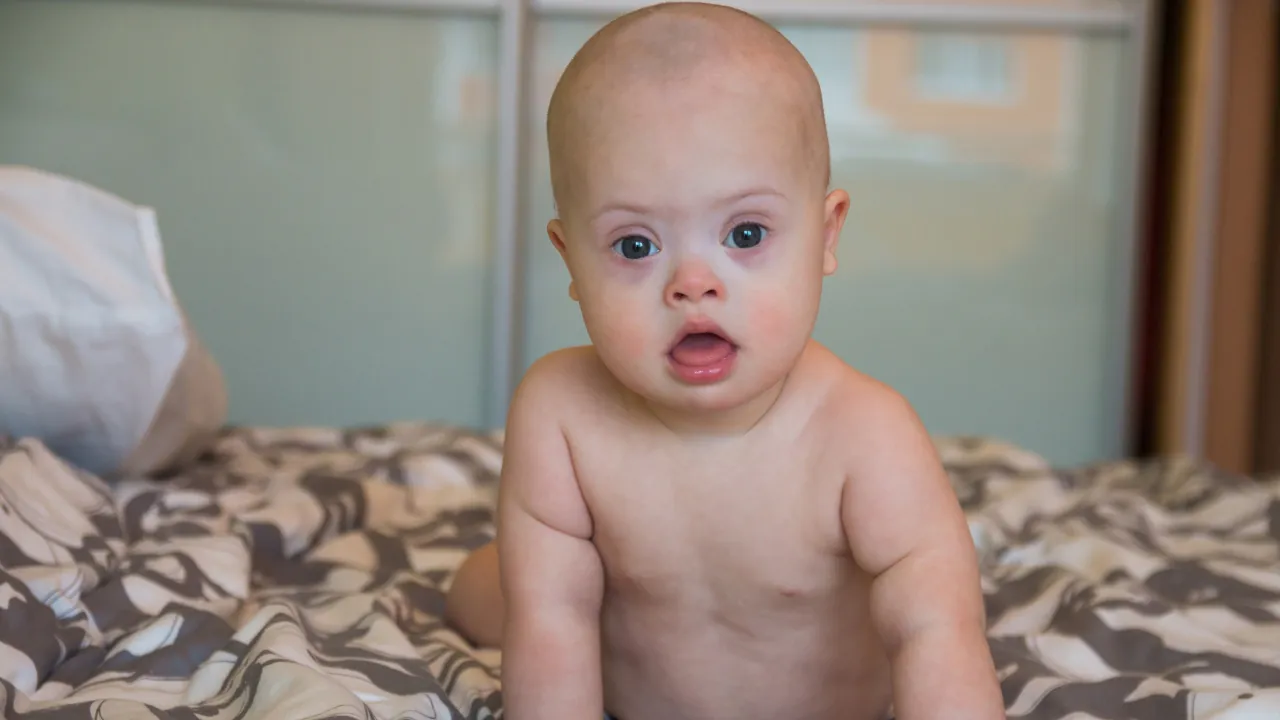
Down syndrome, also called trisomy 21, had the second-highest prevalence among the 33 defects in the CDC estimate.
CDC estimated 16.1 cases per 10,000 live births, or about 1 in 621 births. That equals about 5,952 babies each year.
Down syndrome happens when a baby has an extra copy of chromosome 21. It can affect development, learning, muscle tone, facial features, and health. Some children also have heart defects, hearing problems, vision problems, thyroid disease or digestive conditions.
The condition is not the same for every child. Some children need major medical care early in life. Others need less medical care but still benefit from early therapy, developmental support and school services.
| Chromosomal Defect | Prevalence | Estimated U.S. Cases Each Year |
| Trisomy 21, Down syndrome | 16.1 per 10,000 live births | About 5,952 |
| Trisomy 18 | 3.2 per 10,000 live births | About 1,183 |
| Trisomy 13 | 1.5 per 10,000 live births | About 555 |
The CDC report found that chromosomal defects increased with maternal age, especially trisomy 21. That does not mean younger mothers have no risk. It means the rate rises as maternal age rises.
Neural Tube Defects Are Less Common But Often Severe
Neural tube defects affect the brain, spine, or spinal cord. They form very early in pregnancy, often before a person knows they are pregnant.
Spina bifida was the most common neural tube defect in the CDC estimate, at 3.5 cases per 10,000 live births. CDC separately reports that about 1,251 babies are born with spina bifida each year in the United States.
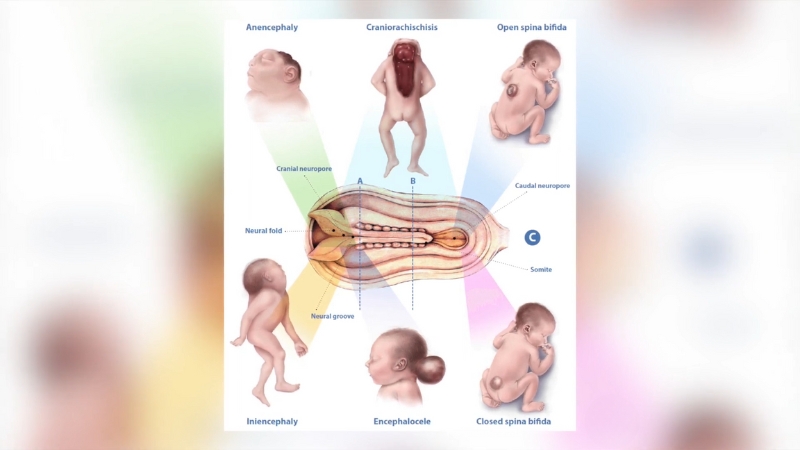
| Neural Tube Defect | Prevalence | Estimated U.S. Cases Each Year |
| Spina bifida without anencephaly | 3.5 per 10,000 live births | About 1,294 |
| Anencephaly | 2.1 per 10,000 live births | About 776 |
| Encephalocele | 1.1 per 10,000 live births | About 407 |
Anencephaly is usually fatal because major parts of the brain and skull do not form. Spina bifida varies widely. Some children have mobility, bladder, bowel, orthopedic or neurological needs across childhood and adulthood.
Folic acid is one of the clearest prevention tools in birth defects research. CDC recommends 400 micrograms of folic acid every day before and during early pregnancy. CDC says folic acid fortification was linked with a 28% reduction in neural tube defect prevalence in data from 19 state-based tracking programs.
Cleft Lip And Cleft Palate Are Common And Treatable
Orofacial clefts affect the lip, the roof of the mouth or both.
CDC’s estimate separates cleft lip with cleft palate, cleft lip alone and cleft palate alone. Combined together, these defects affect thousands of U.S. babies each year.
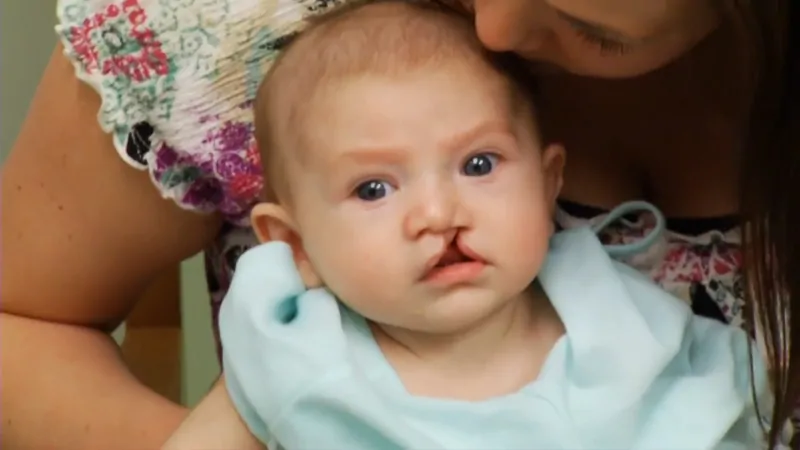
| Orofacial Cleft | Prevalence | Estimated U.S. Cases Each Year |
| Cleft lip with cleft palate | 6.5 per 10,000 live births | About 2,403 |
| Cleft palate alone | 6.4 per 10,000 live births | About 2,366 |
| Cleft lip alone | 3.4 per 10,000 live births | About 1,257 |
Many children with cleft lip or palate do well with surgery and coordinated care. Treatment can involve surgeons, dentists, orthodontists, speech therapists, feeding specialists, audiologists and pediatricians.
Families often need help before surgery. Feeding can be difficult when a cleft affects the palate. Hearing problems and speech needs can also appear later, even after the first repair.
Stomach, Intestine And Abdominal Wall Defects Need Early Surgery
Several birth defects affect feeding, digestion or the position of organs in the abdomen.
Some are found during prenatal ultrasound. Others become clear after birth when a baby cannot feed, pass stool or breathe normally.
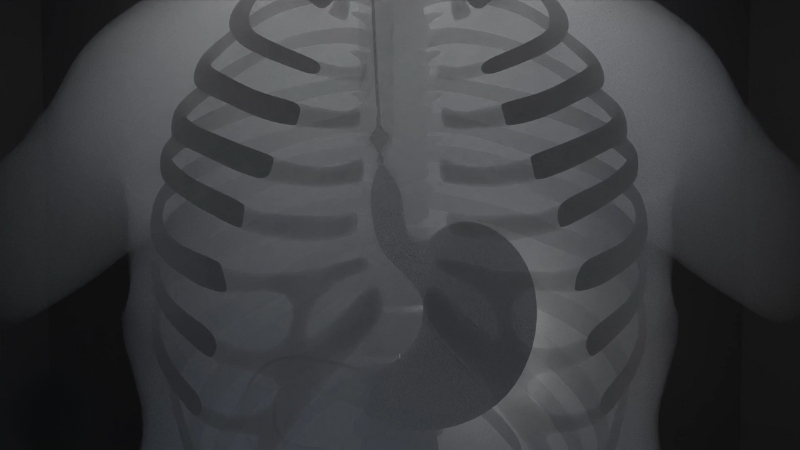
| Defect | Prevalence | Estimated U.S. Cases Each Year |
| Rectal and large intestinal atresia or stenosis | 4.8 per 10,000 live births | About 1,775 |
| Gastroschisis | 3.9 per 10,000 live births | About 1,442 |
| Diaphragmatic hernia | 3.3 per 10,000 live births | About 1,220 |
| Omphalocele | 2.7 per 10,000 live births | About 998 |
| Esophageal atresia or tracheoesophageal fistula | 2.4 per 10,000 live births | About 887 |
Gastroschisis happens when the intestines extend outside the body through a hole near the belly button. Omphalocele also involves organs outside the belly, but the organs are covered by a sac.
Esophageal atresia means the tube from the mouth to the stomach does not connect normally. Rectal and large intestinal atresia or stenosis means part of the lower digestive tract is blocked or narrowed.
These conditions usually require pediatric surgery. Some babies also need intensive care, feeding support and long-term follow-up.
Eye And Limb Defects Are Less Common But Can Change Daily Life
Anophthalmia and microphthalmia are eye formation defects. Anophthalmia means one or both eyes are missing. Microphthalmia means one or both eyes are unusually small.
CDC estimated 2.1 cases per 10,000 live births, or about 776 babies each year.

Limb deficiencies were more common than eye defects in the CDC estimate, at 5.4 cases per 10,000 live births. That equals about 1,996 babies each year.
Limb deficiencies can affect arms, legs, hands, feet, fingers or toes. Care can involve orthopedic specialists, prosthetics, physical therapy, occupational therapy and support at school.
State Numbers Need Careful Reading
The older version of this article tried to compare selected states. That approach can mislead readers if the data sources are not the same.
Birth defects tracking is not run through one single national registry that captures every case in the same way. Many states have surveillance programs, but methods differ. Some systems collect only live births. Others include fetal deaths or pregnancy terminations. Some programs use active medical record review. Others rely more heavily on passive reporting.
The National Birth Defects Prevention Network publishes state-specific data and a directory of surveillance programs. Those reports are valuable, but state comparisons work best when the same definitions, years and methods are used.
- A higher state rate can reflect more cases, better detection or broader surveillance.
- A lower state rate can reflect fewer cases, underreporting or narrower program rules.
- State rates should not be treated as simple rankings without checking methodology.
- Local access to prenatal ultrasound, pediatric surgery and specialty care affects detection and outcomes.
That is why the strongest national estimate comes from programs that meet clear inclusion rules.
Maternal Age And Race Patterns
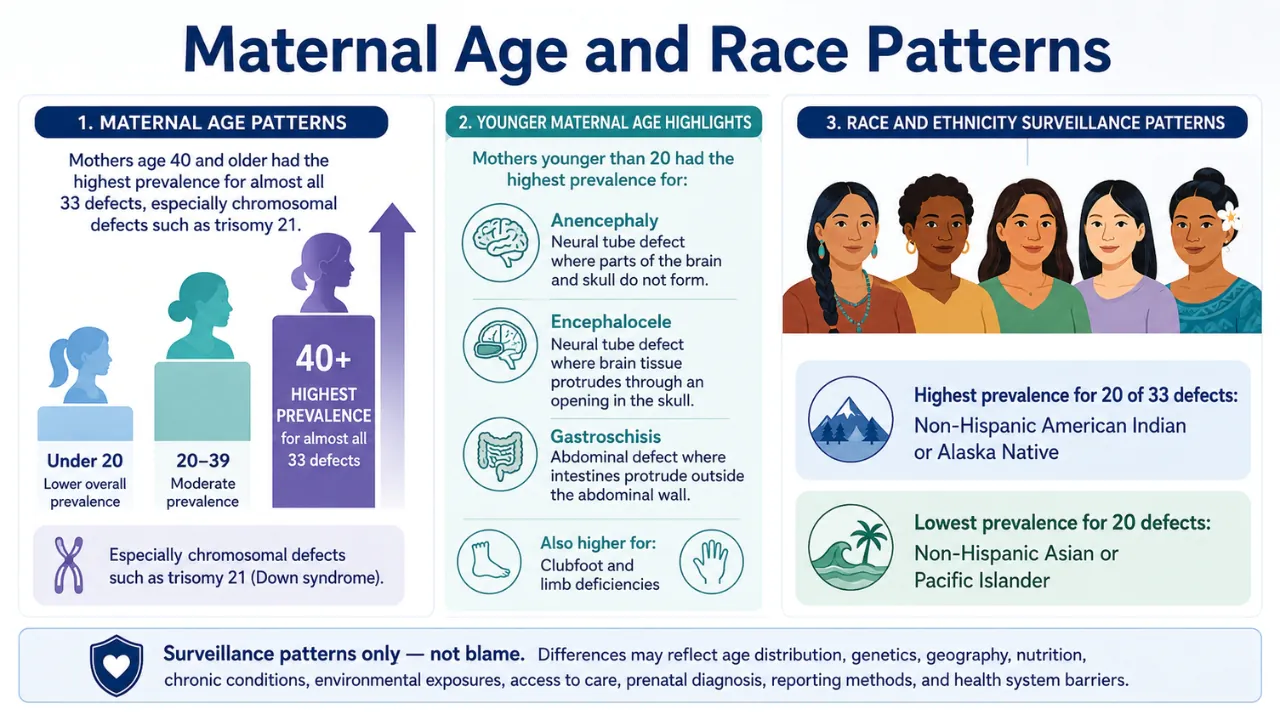
The CDC report also shows differences by maternal age and race or ethnicity. Those numbers should be read as surveillance patterns, not as blame.
For almost all 33 defects, mothers age 40 and older had the highest prevalence. The increase was most notable for chromosomal defects such as trisomy 21.
Three defects showed the highest prevalence among mothers younger than 20: anencephaly, encephalocele and gastroschisis. CDC also reported relatively high prevalence of clubfoot and limb deficiencies among the youngest mothers.
The report found that births to non-Hispanic American Indian or Alaska Native mothers had the highest prevalence for 20 of the 33 included defects. Births to non-Hispanic Asian or Pacific Islander mothers had the lowest prevalence for 20 defects.
Those differences can reflect many forces at once, including maternal age distribution, genetics, geography, nutrition, chronic conditions, environmental exposures, access to care, prenatal diagnosis, reporting methods and health system barriers.
What Can Lower Risk Before And During Pregnancy?
Not every birth defect can be prevented.
CDC still lists several steps that can reduce risk before and during pregnancy. The advice is not only for people already pregnant because some birth defects form very early.
CDC recommends 400 micrograms of folic acid every day before and during early pregnancy. The agency also advises regular health care visits, review of medicines with a clinician, control of diabetes and other medical conditions, avoidance of alcohol, nicotine products and illicit drugs, prevention of infections, treatment of high fever and efforts to maintain a healthy weight.
| Step | What It Helps With |
| Take 400 micrograms of folic acid daily | Helps reduce the risk of neural tube defects such as spina bifida and anencephaly |
| Review medicines before pregnancy | Some medicines can raise risk, and stopping needed medicine without advice can also be dangerous |
| Control diabetes before and during pregnancy | Poor blood sugar control can increase risk for several birth defects |
| Avoid alcohol, smoking, vaping and illicit drugs | These exposures can harm fetal development and raise the risk of poor outcomes |
| Prevent infections | Some infections can affect fetal development and newborn health |
| Keep prenatal appointments | Care can find problems earlier and connect families with specialists |
Prevention messages should not make families feel responsible for every diagnosis. Birth defects can happen even when parents do everything right.
Early Detection Changes The Plan
Screening does not prevent every birth defect. It can give families and doctors time to plan.
Some defects are detected during prenatal ultrasound or genetic testing. Some are detected after delivery through physical exam, newborn screening or symptoms. Heart defects may be found through prenatal imaging, newborn pulse oximetry, physical exam or later evaluation.
Early diagnosis can change where a baby is delivered. A family may need a hospital with neonatal intensive care, pediatric cardiology, pediatric surgery or genetics support.
For critical congenital heart defects, CDC says pulse oximetry screening can help identify babies before they leave the birth hospital. Mandated newborn screening using pulse oximetry has been associated with a 33% reduction in early infant deaths from critical congenital heart defects.
Birth Defects Are Still The Leading Cause Of Infant Death
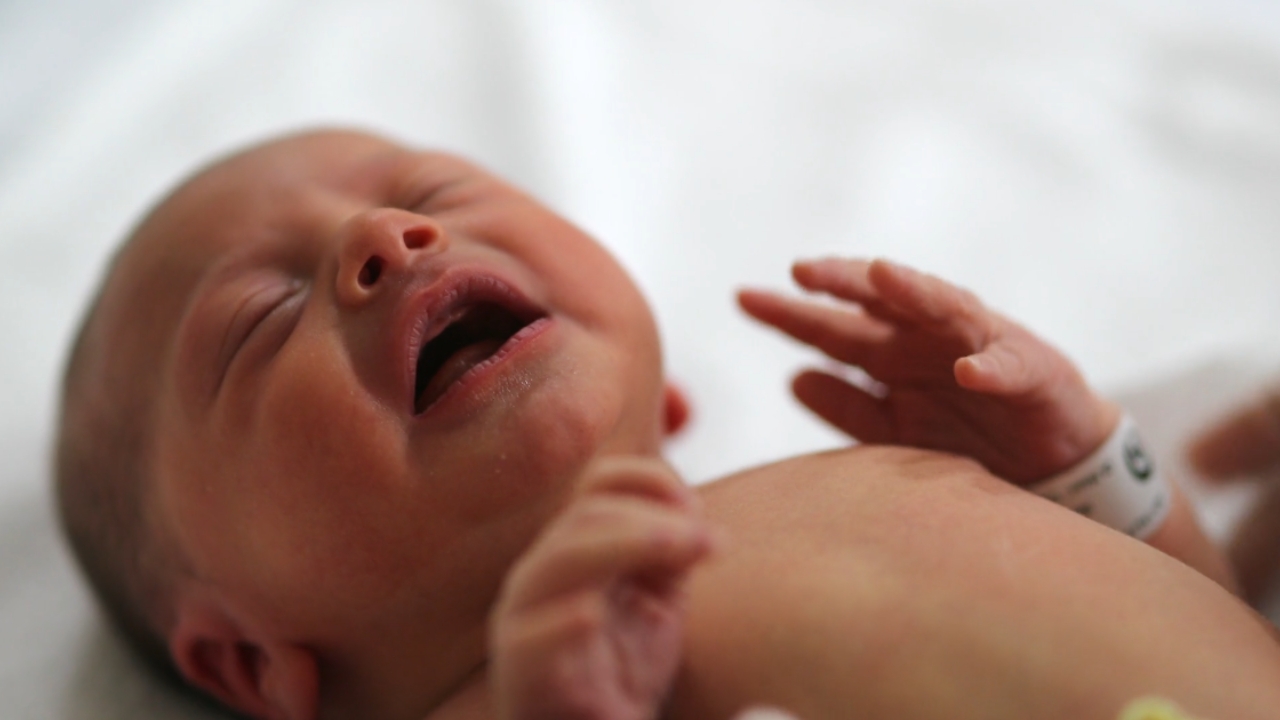
NCHS reports that congenital anomalies were the No. 1 cause of infant death in 2024.
The latest NCHS FastStats page lists 4,061 infant deaths from birth defects or congenital anomalies, with a rate of 111.9 deaths per 100,000 live births.
That number does not mean most babies with birth defects die. Many children live long lives, especially when diagnosis, surgery, therapy and follow-up care are available. The mortality number shows that severe defects still carry major risk during the first year of life.
Heart defects are a major part of that burden. CDC says heart defects are a leading cause of birth defect-associated infant illness and death, and hospital costs for people living with heart defects exceeded $9.8 billion in 2019.
What Families Should Ask After A Diagnosis
A birth defect diagnosis can come during pregnancy, at delivery or months later.
Families need clear information, not vague reassurance. The right questions depend on the condition, but several apply across many diagnoses.
- What exact defect was found?
- Is the diagnosis confirmed or still suspected?
- Does the baby need more imaging or genetic testing?
- Can the baby be delivered safely at the planned hospital?
- Which specialist should see the baby first?
- Will surgery be needed soon after birth?
- What feeding, breathing or mobility problems should the family expect?
- Are there support programs, therapy services or parent groups nearby?
A diagnosis can be frightening, but it can also create a plan. Families can meet specialists, choose the right delivery setting and prepare for care after birth.
Methodology
This article uses CDC’s April 2026 national estimates for selected major birth defects from 2018 through 2022.
The CDC estimate pooled data from 11 surveillance programs that collected all pregnancy outcomes and performed medical record abstraction. The programs were Arkansas, Delaware, Iowa, Massachusetts, metropolitan Atlanta, North Carolina, Oklahoma, Puerto Rico, South Carolina, Texas and Utah.
The estimate covered 33 selected defects across central nervous system, eye, cardiovascular, orofacial, gastrointestinal, musculoskeletal and chromosomal categories.
Additional context comes from CDC pages on congenital heart defects, spina bifida, birth defect prevention and critical congenital heart defect screening, plus NCHS FastStats on infant deaths from congenital anomalies.
Bottom Line
@leazora 1 in 33 babies in the U.S. is born with a birth defect each year. I’m investigating birth defects in South Texas—where some rates may be higher than expected. Do you know someone affected by a birth defect? Please share this or comment below. #health #babies #texas ♬ The Winner Is – DeVotchKa & Mychael Danna
The newest CDC data give a clearer national picture than older estimates. Among the selected defects tracked from 2018 through 2022, clubfoot, Down syndrome, and pulmonary valve atresia or stenosis had the highest prevalence.
Heart defects remain the largest birth defect category overall, affecting about 40,000 U.S. babies each year.
The numbers also show where public health work still counts. Folic acid, prenatal care, chronic disease control, safer medication review, infection prevention and newborn screening cannot prevent every case, but they can reduce risk, catch serious problems earlier and improve the odds for babies who need specialized care.