
CDC data show that adult ADHD is now a major health issue in the US, not only a school-age diagnosis.
An estimated 15.5 million U.S. adults, or 6.0% of adults, reported a current ADHD diagnosis in 2023, according to the CDC MMWR analysis based on National Center for Health Statistics Rapid Surveys System data.
The number is important, but it should be read carefully. It measures adults who reported a current diagnosis. It does not count every adult who may have symptoms and has never been evaluated.
The CDC data also show how adult ADHD care is working in real life. About half of adults with current ADHD were diagnosed at age 18 or older. About one-third were not receiving ADHD treatment. Among adults taking stimulant medication, 71.5% reported difficulty filling a prescription because the medication was unavailable.
For patients, those numbers describe the daily problem clearly. A diagnosis can explain years of missed deadlines, disorganization, impulsive choices or unfinished work. But diagnosis alone does not guarantee good care, affordable treatment, steady medication access or useful support at work and home.
What The CDC Adult ADHD Data Shows?
The CDC estimate comes from adults who answered survey questions about current ADHD diagnosis, treatment, medication access and telehealth use.
The data show a large diagnosed population, but also a treatment gap. Many adults have a diagnosis and still do not receive medication, therapy, coaching or other support.
| CDC Finding | Number Or Share | Plain Meaning |
| Adults with current ADHD diagnosis | 15.5 million, or 6.0% | Adult ADHD affects a large share of the U.S. adult population. |
| Diagnosed at age 18 or older | About half of adults with current ADHD | Many adults were not identified during childhood. |
| No current ADHD treatment | About one-third | A medical label does not always lead to care. |
| Difficulty filling stimulant prescriptions | 71.5% of stimulant users | Medication access can be unstable even after diagnosis. |
| Telehealth use for ADHD care | About half had ever used telehealth | Virtual care is now a common part of adult ADHD treatment access. |
The CDC also warns that adult ADHD is a public health issue across the life course. It affects health care, work, driving, relationships, parenting, education, finances and medication policy.
Adult ADHD Is Not New ADHD
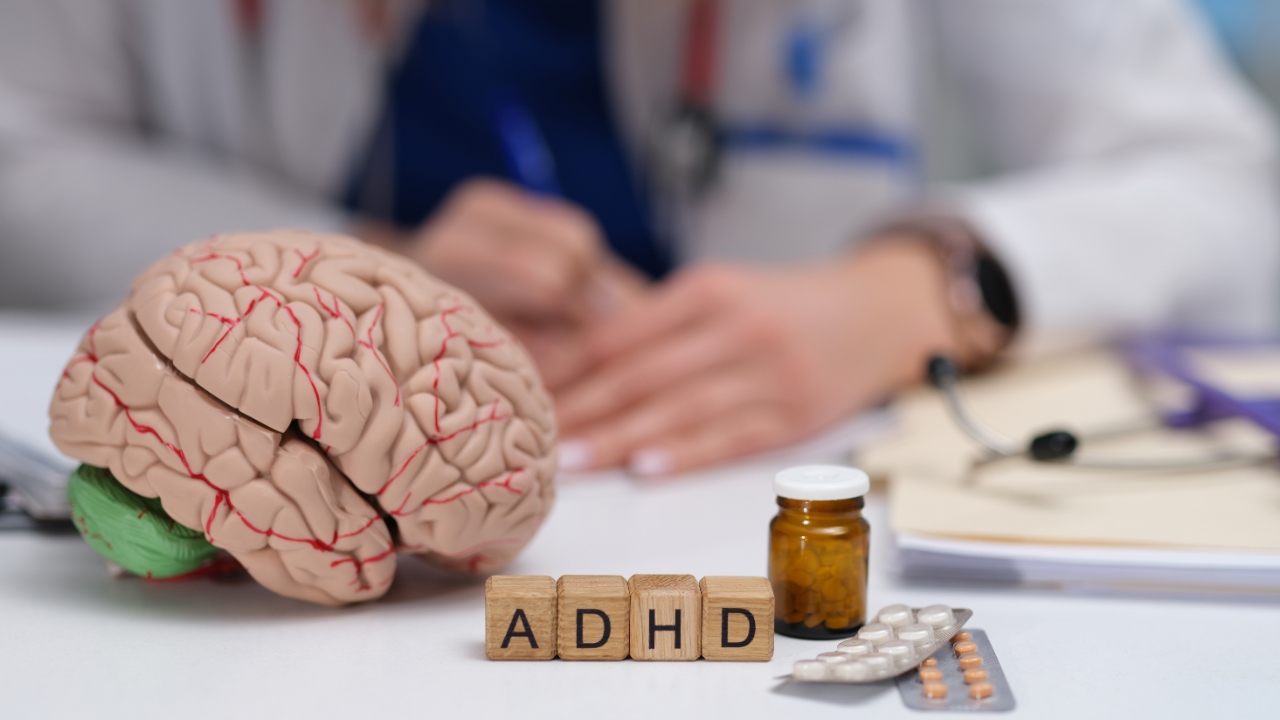
Adult ADHD does not usually begin from nowhere in adulthood. ADHD is a neurodevelopmental disorder, which means symptoms start in childhood, even when the diagnosis comes later.
The CDC says ADHD symptoms begin in childhood and can continue into adulthood, but the way symptoms affect daily life can change as people get older. The adult version may look different from the classroom image many people have in mind.
In adults, ADHD can appear as:
- Chronic lateness
- Missed deadlines
- Lost paperwork or forgotten tasks
- Poor time management
- Impulsive spending
- Difficulty finishing projects
- Disorganized work or home routines
- Emotional reactivity
- Trouble staying focused during long tasks
- Difficulty managing appointments, bills or childcare logistics
A person diagnosed at 35 may not have a new condition. The more likely story is that earlier symptoms were missed, masked or managed until adult responsibilities made them harder to hide.
Readers can also compare this with our detailed ADHD analysis about US ADHD statistics, which shows how diagnosis and treatment patterns have become a larger health topic.
What A Proper Adult Evaluation Should Include?
Adult ADHD is easy to oversimplify. Social media can make it sound like any distraction, messy desk or procrastination problem is ADHD. That is not accurate.
A proper diagnosis looks for persistent symptoms, real impairment and a history that reaches back to childhood. It also checks for other conditions that can look similar.
Sleep deprivation, anxiety, depression, trauma, substance use, thyroid disease, medication side effects and high stress can all create focus and organization problems. A rushed evaluation can miss those issues.
| Part Of Evaluation | What It Checks |
| Current symptoms | Inattention, impulsivity, hyperactivity or restlessness in adult life. |
| Childhood history | Long-running patterns from school, family life or early behavior. |
| Functional impairment | Problems at work, school, home, finances, relationships or daily routines. |
| Other mental health conditions | Anxiety, mood disorders, trauma, substance use and related concerns. |
| Medical review | Sleep, medications, thyroid disease, blood pressure and other physical factors. |
| Treatment goals | What the patient needs help with in everyday life. |
A short online quiz can help someone decide to seek care. It cannot confirm ADHD by itself.
Treatment Exists, But Many Adults Still Do Not Get It

The National Institute of Mental Health says treatment is available for adults with ADHD and can reduce symptoms and improve functioning. The most common treatments include medication, often stimulant medication, and psychotherapy such as behavioral therapy or cognitive behavioral therapy.
For some adults, medication helps quickly. For others, side effects, blood pressure concerns, anxiety, sleep problems or pharmacy shortages make treatment harder. Nonstimulant medication may be used in some cases.
Therapy and skills-based support can help adults build systems for planning, time management, emotional regulation and follow-through. Those approaches can be useful even when medication works, because pills do not automatically create calendars, budgets, routines or workplace structure.
- A realistic treatment plan starts with a clinical diagnosis.
- Medication decisions should include benefits, risks, side effects and refill access.
- Therapy can help with planning, routines, emotional regulation and work habits.
- Sleep, exercise and schedule consistency can support treatment.
- Workplace or school accommodations may help when impairment is documented.
- Follow-up visits are needed because symptoms and daily demands can change.
No single plan fits every adult. A parent managing three children needs a different strategy from a college student, a night-shift worker, a delivery driver or a remote employee with little daily structure.
Medication Shortages Have Turned Refills Into A Real Barrier
The CDC finding that 71.5% of adults using stimulant medication had trouble filling prescriptions shows that many adults can be diagnosed and treated on paper, but still unable to get the medication they rely on.
ADHD medication access has been unstable for years, and shortages remain uneven in 2026. The FDA tells patients and clinicians to check its drug shortages database and speak with a healthcare provider or pharmacist about options when a drug is in shortage.
ASHP’s current shortage listing for amphetamine mixed salts shows a mixed supply picture. Some manufacturers report availability, while others report shortages tied to active ingredient delays, shipping delays, increased demand or discontinued products.
For patients, a refill problem can affect more than concentration. It can disrupt driving, work performance, childcare, appointment keeping, school, mood and sleep. Some adults spend hours calling pharmacies to find a dose that is available.
- Do not change dose or stop medication without medical guidance.
- Ask the prescriber about alternatives if the usual medication is unavailable.
- Call pharmacies early enough to avoid a last-minute gap.
- Keep records of pharmacy calls and refill issues.
- Check insurance rules before switching formulations.
- Avoid buying controlled medications from unofficial online sellers.
Stimulant prescriptions are controlled substances. That means refill rules, identity checks and prescribing restrictions can make shortage problems harder to solve quickly.
Telehealth Is Now Part Of Adult ADHD Care

Telehealth has become a major access point for adult ADHD care. The CDC report found that about half of adults with current ADHD had ever used telehealth for ADHD services.
Telehealth can help patients who live far from specialists, work long hours, have childcare barriers or struggle with scheduling. For adults with ADHD, removing travel and waiting-room steps can make care easier to maintain.
The legal rules remain important. HHS says DEA and HHS extended telemedicine flexibilities for prescribing controlled medications through December 31, 2026. The extension gives federal agencies more time to finalize permanent regulations and does not remove the requirement that prescriptions be issued for legitimate medical purposes by licensed practitioners.
Good telehealth is still real medical care. It should include history, symptom review, impairment, medication risks, co-occurring conditions and follow-up. A quick online visit that skips those steps can lead to poor diagnosis or unsafe prescribing.
Adult ADHD Often Comes With Anxiety, Mood Disorders And Other Conditions

NCHS released a separate data brief on adult ADHD visits to health centers in 2023. The report adds useful clinical detail because it shows what else often appears in the medical record.
Among health center visits by adults with ADHD, 69.6% included documentation of selected mental health co-diagnoses. Anxiety disorders appeared in 51.2% of visits, mood disorders in 48.8% and substance use disorders in 23.8%.
The same report found selected chronic conditions in 40.1% of adult ADHD health center visits. Overweight or obesity appeared in 24.2%, hyperlipidemia in 13.1%, hypertension in 12.8%, asthma in 11.4% and diabetes in 5.4%.
| Co-Diagnosis In Adult ADHD Health Center Visits | Share Of Visits |
| Any selected mental health co-diagnosis | 69.6% |
| Anxiety disorder | 51.2% |
| Mood disorder | 48.8% |
| Substance use disorder | 23.8% |
| Any selected non-mental chronic condition | 40.1% |
| Overweight or obesity | 24.2% |
| Hypertension | 12.8% |
Those numbers do not prove ADHD caused every other condition. They show that adult ADHD care often needs a wider health review.
That is especially important when stimulants are being considered. Blood pressure, sleep, anxiety, substance use and current medications should be part of the discussion. Readers can also review our reporting on substance use patterns in the U.S., because substance risk changes how controlled medications are prescribed and monitored.
Work, Family And Daily Life Are Part Of The Story
Adult ADHD is not only a diagnosis in a medical chart. It can affect how a person handles ordinary life.
At work, symptoms may show up as missed deadlines, poor task switching, trouble prioritizing, impulsive emails, lateness or difficulty finishing long projects. At home, the same symptoms may show up as unpaid bills, clutter, missed appointments, conflict over responsibilities or exhaustion from constant catch-up.
Some adults compensate for years by using stress, overwork or rigid routines. That can work for a time, then fail when life changes. A new job, parenthood, divorce, caregiving, college, remote work or health problems can expose symptoms that were previously hidden.
Useful support is often practical. It may include written instructions, fewer meeting interruptions, reminder systems, predictable deadlines, task breakdowns, shared calendars, noise control or flexible scheduling when appropriate.
When Adults Should Seek An Evaluation?
Adults should consider an evaluation when attention, impulsivity, restlessness or disorganization repeatedly interferes with life.
One bad week at work does not prove ADHD. A long pattern across jobs, school, finances, relationships and home responsibilities deserves a closer look.
- Tasks are started often but rarely finished.
- Deadlines are missed even with strong effort.
- Time estimates are regularly wrong.
- Important items, bills or appointments are often forgotten.
- Impulsive choices create financial or relationship problems.
- Restlessness makes it hard to sit through work, meetings or daily tasks.
- Symptoms have existed since childhood or adolescence.
- Problems appear in more than one area of life.
A clinician can help sort ADHD from anxiety, depression, trauma, sleep problems, thyroid disease, medication effects and substance use. That distinction changes treatment.
What Adults Can Do After Diagnosis?
A diagnosis should lead to a plan, not only a label.
Adults can ask the clinician direct questions about treatment options, expected benefits, side effects, refill timing, therapy, workplace documentation and follow-up.
| Step | What It Helps With |
| Confirm the diagnosis clearly | Helps avoid treatment based on a weak or incomplete evaluation. |
| Review medication options | Allows discussion of stimulants, nonstimulants, side effects and access issues. |
| Build daily systems | Supports bills, appointments, planning, deadlines and household tasks. |
| Address sleep and anxiety | Can reduce symptoms that worsen attention and self-control. |
| Document work or school needs | Can support accommodations when impairment is real and documented. |
| Plan for refills | Reduces disruption during medication shortages or pharmacy delays. |
Medication may be part of the plan. It should not be the only part of the conversation.
Bottom Line
Adult ADHD is now being counted at a scale that makes casual dismissal harder, but the numbers also expose a care system that often stops at diagnosis.
A diagnosis can explain years of missed deadlines, exhaustion and failed routines, yet it does little when follow-up is thin, medication is unavailable or telehealth becomes a shortcut instead of real evaluation.
The real test for 2026 is not how many adults recognize ADHD in themselves, but how many can get careful assessment, steady treatment and support that changes daily life.