

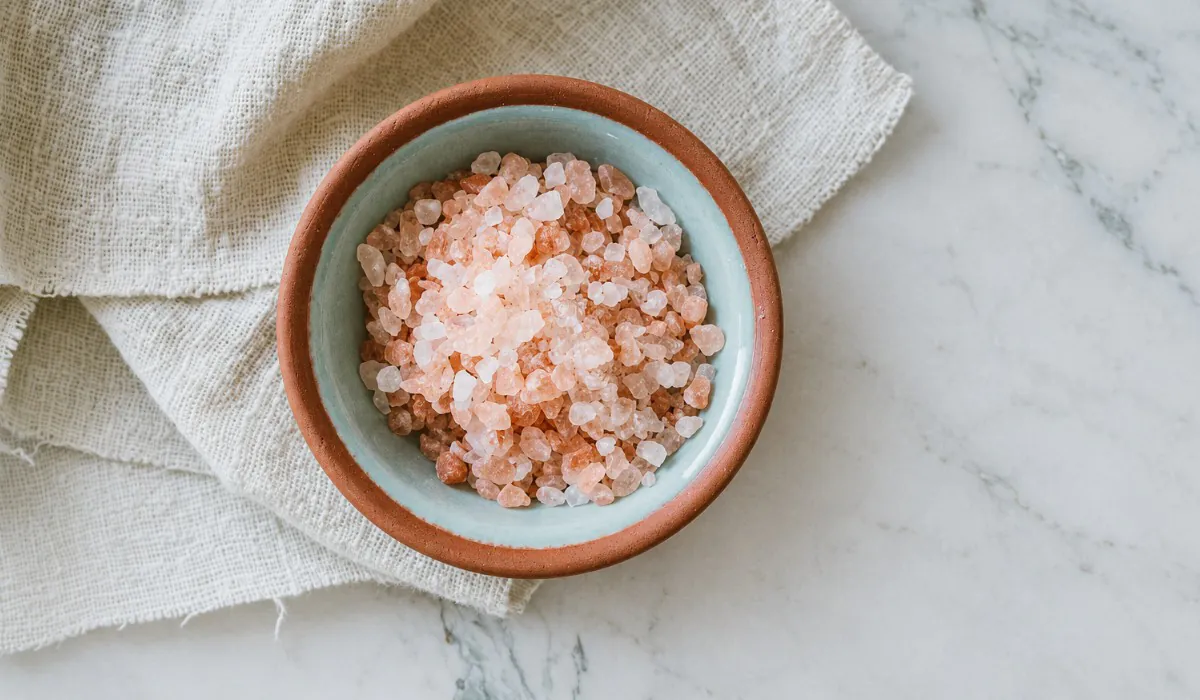
Replacing part of the sodium in regular salt with potassium could help prevent thousands of deaths caused by heart disease, stroke and kidney disease, according to new research.
Scientists estimate that switching to potassium enriched salt could prevent nearly 3 million deaths worldwide each year. In the United States alone, the potential benefit is around 105,000 fewer deaths annually.
The findings come from a study published in Nature Health. Researchers examined what might happen if countries replaced regular salt with an alternative containing less sodium and more potassium.
The results are predictions based on existing health data, not deaths that have already been prevented. Still, previous clinical trials suggest that changing the type of salt people consume can reduce blood pressure and the risk of serious cardiovascular problems.
What Happens When Potassium Is Added to Regular Salt?
Regular table salt consists almost entirely of sodium chloride. Sodium is necessary for normal body function, but consuming too much can increase blood pressure.
Potassium helps the body remove excess sodium and supports normal blood pressure. The CDC explains that getting too much sodium and too little potassium increases the risk of hypertension, heart disease and stroke.
Researchers examined a salt substitute containing 75% sodium chloride and 25% potassium chloride. It looks similar to regular salt and provides a salty taste, but contains less sodium.
| Regular Salt | ||||
| 100% Sodium Chloride | ||||
| Salt Used in the Study | ||||
|
||||
The green section represents potassium chloride, not pure potassium. Source: Nature Health.
The benefit comes from two changes occurring together. People consume less sodium and more potassium, both of which can help lower blood pressure.
Lower blood pressure reduces the likelihood of strokes, heart attacks and other serious complications.
How Many Deaths Could Changing Salt Prevent?
Researchers at The George Institute for Global Health studied 193 countries and territories. They used national health estimates, dietary information and previous research on blood pressure to calculate the possible effects of replacing regular salt.
The Nature Health study estimated that replacing all regular salt worldwide could prevent 2.96 million deaths and 10.17 million new cases of cardiovascular and chronic kidney disease annually.
The United States was among the countries with the largest projected benefits.
| Potential Annual Impact in the United States | |
| 104,787 Deaths prevented |
491,905 New disease cases prevented |
Researchers also estimated substantial benefits for China and India. Their published estimates projected more than 1 million fewer deaths annually in China and nearly 400,000 in India.
However, the calculations assume an enormous change in food production and consumption. People would need access to potassium enriched salt, and food manufacturers and restaurants would also need to replace regular salt.
Heart disease already leads the causes of death in America. Lowering blood pressure across a large population could therefore have a substantial effect, even when the improvement for each individual is modest.
Most of the Salt Americans Eat Is Already in Their Food
Changing the salt used at home would help reduce sodium intake, but Americans consume much of their sodium before they ever reach for a saltshaker.
According to the FDA, more than 70% of dietary sodium in the United States comes from processed, packaged and prepared foods.
A CDC study published in August 2026 identified the biggest contributors. Researchers analyzed dietary information involving 6,633 Americans aged one and older.
| Food Category | Share of Total Sodium Intake |
|---|---|
| Deli meat sandwiches |
5.0% |
| Pizza |
4.4% |
| Savory snacks |
4.4% |
| Soups |
4.4% |
| Poultry |
3.8% |
| Pasta dishes |
3.8% |
The CDC analysis found that deli meat sandwiches alone accounted for 5% of sodium intake. Pizza, snacks and soups each contributed another 4.4%.
Even foods that do not taste especially salty can contribute substantial sodium when people eat them regularly.
Replacing some of the sodium used by manufacturers could reduce intake without requiring consumers to change every meal. However, manufacturers would need to assess taste, food safety and the suitability of potassium substitutes for different products.
Researchers Have Already Tested Potassium Salt
The new global study relied on mathematical estimates, but earlier research tested potassium enriched salt directly.
A large clinical trial involving 20,995 adults in 600 Chinese villages compared regular salt with a substitute containing 25% potassium chloride.
The participants had previously experienced a stroke or were older adults with high blood pressure. Researchers followed them for an average of nearly five years.
The clinical trial found a 14% lower rate of stroke, a 13% lower rate of major cardiovascular events and a 12% lower rate of death among participants assigned the salt substitute.
The findings provide evidence that replacing some sodium with potassium can reduce serious health risks. The results do not establish identical benefits for every age group or medical condition.
Is Potassium Enriched Salt Safe for Everyone?
People with certain kidney conditions face a significant risk if they consume too much potassium.
Healthy kidneys normally remove excess potassium. When kidney function is impaired, potassium can accumulate in the blood and cause dangerous changes in heart rhythm.
Some medications also increase potassium levels. People with kidney disease or those taking potassium affecting medicines should speak with a healthcare professional before using these products.
The World Health Organization addressed the issue in its salt substitute guidelines. Its recommendation applies to adults whose kidneys can safely process additional potassium. It does not cover children, pregnant women or people with conditions that interfere with potassium removal.
The new global model also included possible deaths associated with excess potassium among people with moderate to advanced kidney disease. Researchers estimated that unrestricted replacement could cause around 100,000 such deaths annually worldwide, although they projected larger overall cardiovascular benefits.
High blood pressure remains one of the major risk factors associated with the conditions documented in U.S. heart disease statistics. Reducing excessive sodium intake remains important regardless of the type of salt someone chooses.
Should People Replace Regular Salt With Potassium Salt?
For adults without medical conditions that interfere with potassium removal, a lower sodium salt substitute may help reduce blood pressure. Its composition should be checked because products contain different amounts of sodium and potassium.
Using less salt overall remains important. Replacing part of the sodium does not make unlimited salt consumption healthy.
The research also points to a larger challenge for public health. As long as processed foods and restaurant meals account for most sodium intake, changing household salt alone will have limited reach.
A wider shift in food production could prevent many deaths, according to the new estimates. However, achieving those benefits would depend on safe implementation, medical precautions and how widely people and manufacturers adopt the alternative.