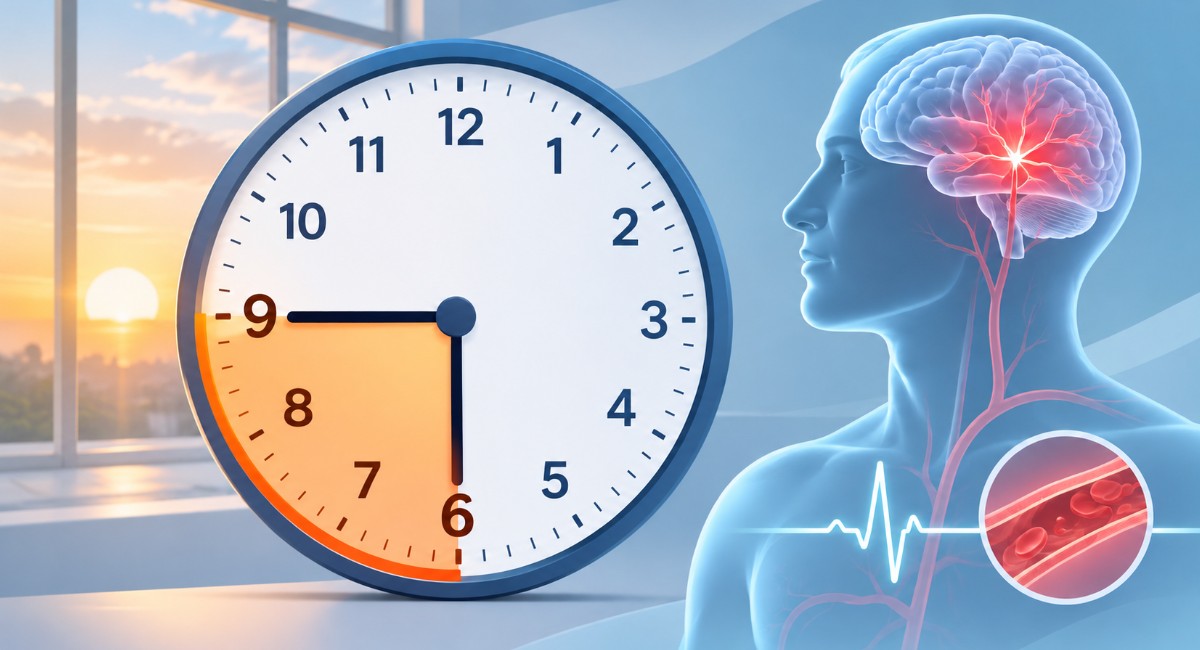


The mistake made by a nurse or a doctor is the last thing on mind of any patient, and it should be like that. After all, we all expect they will treat everyone in a way where a person will get better, or at least close to reaching a recovery.
Still we’ve found that mistakes in hospitals are not as rare as they should be.
Some of them are minor and not life treathening, but there are also reports of serious accidents made by doctors, nurses and other personnel.
The Agency for Healthcare Research and Quality (AHRQ) shared data about medical errors and the results are quite concerning.
How Common Are Medication Errors in US Hospitals?

The agency we mentioned earlier reported a total of 486,543 safety cases involving medications or other substances submitted to the National Patient Safety Database.
It shouldn’t be a surprise, since almost all of us rely on medication when we are sick or recovering. Still, the number of errors made us feel concerned. While about 25% of these reported cases, or over 120,000 events, were near misses caught before reaching the patient, the rest actually made it through.
Among reports with enough detail to trace where the mistake began, around 36% of incidents happened when the medication was being given to the patient, while another 27% started during prescribing.
| Medication Safety | Figures from the Report |
|---|---|
| Medication and other substances | 486,543 |
| Share of all reported safety events | 25% |
| Events during administration | 36% |
| Events during prescription | 27% |
| Reported incorrect-action incidents resulting in harm | 5.5% |
1. Giving Patients the Wrong Medication Dose

Wrong dosing is one of the most common medication mistakes out there. A patient might end up with a dose that is too high or not enough of it. Besides that, there is also a risk of taking the right amount, but not in the right time. For example, to close to previous dosage, or too late so it lose its effects.
The possible risks depends on the type of medication. Let’s take insulin as example. If you get too much of it, the blood sugar may rise to dangerous levels. Some other drugs, such as drug thinners, could cause bleeding.
There are also risks that medication will fail or be less efficient if you don’t get enough of it. This can be the case with antibiotics.
Such mistakes usually start with a bad prescription or someone mixing up different characteristics of the same medication. Figuring out the exact dose is difficult because no two patients are the same.
Doctors need to analyze various factors, such as your body weight, kidney function and existing prescriptions so they can be sure what is safe for you.
But we are not using these facts as an excuse, it sohuld be quite the opposite. Doctors must pay more attention to all those factors, along with being more responsible.
2. Giving Medicine to the Wrong Patient
It is common that a patient will share a room with someone with a similar condition. In that case, another issue may occur. If the medical personnel is not focused enough, there is a risk for one patient to receive or not receive specific treatment as that person was mixed up with another one.
That is why we all get those ID wristbands, while nurses are carrying records of each patient, or at least they should be all the time.
The biggest danger for a mistake like this one is receiving something you weren’t suppose to get at all, such as previously menitoned insuline or blood thinners.
With certain drugs, even a single wrong dose carries severe risks. Insulin, strong painkillers, and blood thinners are especially dangerous when given to the wrong patient.
To better understand how critical such error can be, there was a case recently where an 87-years old women died after a nurse gave her medication intended for another patient.
3. Missing a Dose or Giving Medication Too Late

Missing a dose of an antibiotic can disrupt an active treatment. For example, missing medication for seizures can raise the risk of a seizure in vulnerable patients, while skipping an insulin shot can trigger dangerous changes in blood sugar.
Some of the main reasons for these and similar mistakes occur more often during shift changes, transfers to another department, and when there is a lack of personnel in the hospital.
4. Prescribing a Drug That Interacts With Another Medication
It is common for patients to get more than just one type of medication at the same time. Along with that, doctors must take into account that soem of those patients may already have certain prescriptions. The point of all this is that some drugs could interact with each other. Same goes for allergies to some drugs, for example, peniciline.
Pairing certain blood thinners with other medicines can raise the risk of severe bleeding. A combination of sedatives with opioids can also slow breathing to dangerous levels.
There are cases where doctors are aware of some interactions, but still decide to proceed with it. They sometimes prescribe interacting drugs intentionally when the medical benefits outweigh the risks. But, the situation here is different, as the patient will then be monitored since medicaitons were mixed with a clear intention, and not by a mistake.
5. Medication Errors Involving Allergies
A patient that has a severe allergy should never receive the medication that triggers that reaction unless there is a clear reason and proper plan for reaction in place.
Even so, allergy details can be missing, recorded inaccurately, or missed altogether when a patient is admitted to the hospital.
Even so, there are still risks that some details about the allergy could be missing, or not reported in the right way. The biggest problem can be the case where a critical condition like that is completely overseen.
Patients should always tell hospital staff about past reactions and explain exactly what happened. Having an upset stomach after taking a pill, for example, is very different from having a true allergic reaction.
6. Mistakes With High-Risk Medications
Some drugs require additional safeguards because even a relatively small error can cause serious injury.
The AHRQ administration guide identifies anticoagulants, insulin, opioids, and chemotherapy medicines as examples of drugs that require particular attention.
| Medication Type | Potential Error | Possible Consequence |
|---|---|---|
| Insulin | Excessive dose | Severe hypoglycemia |
| Anticoagulants | Incorrect dose or monitoring | Major bleeding |
| Opioids | Excessive dose or unsafe combination | Respiratory depression |
| Chemotherapy | Incorrect calculation or administration | Serious organ or tissue injury |
| Intravenous potassium | Incorrect concentration or administration rate | Dangerous heart rhythm abnormalities |
Antibiotics also require careful approach. Some can affect kidney function or cause neurological complications in vulnerable patients.
We previously wrote about cefepime and its potential safety risks, which also illustrates the importance of accurate medication.
7. Errors During Hospital Transfers and Discharge
The list of medicien prescribed to a patient may change every day. A doctor can decide to stop with some drugs, or start a new treatment. All of that includes different doses and combinations of medicine.
The issue can start the moment when a patient change the department before its medical report arrives, potentially leading to receiving another treatment in an improper way.
Medication reconciliation is the only solution to prevent such mistakes. Doctors must compare lists and compare them with new prescriptons so they can clear up any discrepancies before treatment can move forward.
What Happens When a Medication Error Causes Serious Harm?
A medication error can lead to additional treatment, a longer hospital stay, permanent injury, or even death.
On the other hand, we cannot use the word medical malpractice for all of possible mistakes.
For a legal claim against the hospital, there must be clear evidence that a doctor or a nurse made a mistake that put patient in danger.
You can use medical records, administration logs, pharmacy orders, and lab results as proofs.
Our recomednation is to always with with professionals with experience in medical negligence cases, such as attorney Dan Hodes, known for working with patients and families dealing with injuries linked to improper care.
Why Medication Errors Are Not Always Reported
There is always a change that some errors will go unnoticed. Besides that, personnel might recognize a mistake on time, and prevent it affecting patient in any way.
A review of hospital patient harm found significant problems with identifying and recording adverse events.
Those who investigated those cases reported that hospitals failed to capture around 50% of the patient harm events identified during a separate review.
Incomplete reporting can make it difficult to compare hospitals or determine how frequently some mistakes occur in reality.
On the other side, we have to add that it doesn’t mean one hispital is safer than the other onyl beucase there are less incidents reported. You should also include their sizes and how many patients they are treating overall to figure out the scale of possible errors.
How Hospitals Can Reduce Medication Mistakes?

Safety depends on reliable procedures during prescription, preparation, administration, and monitoring of patients.
- Electronic prescribing. Digital systems can reduce problems related to illegible handwriting and can flag unsafe doses or drug interactions.
- Barcode scanning. Scanning patient wristbands and medication packaging helps confirm that the correct drug reaches the intended patient.
- Pharmacist review. Pharmacists can identify dosing mistakes, duplicate prescriptions, and potentially dangerous combinations.
- Additional precautions for dangerous drugs. Standardized procedures and independent checks can reduce serious mistakes involving insulin, anticoagulants, and other hazardous medications.
- Medication reconciliation. Reviewing prescriptions during admission, transfers, and discharge helps prevent omitted or duplicated treatment.
- Clear patient communication. Explaining medication names, purposes, and expected effects gives patients another opportunity to recognize unexpected changes.
If a nurse brings you a pill you don’t recognize, ask what it is. The same goes for a dose that looks different than usual. There might be a perfectly good reason for the change, but it’s better to ask than to find out later that someone made a mistake.
Of course, someone who is seriously ill or recovering after surgery may not even be able to ask those questions. And that’s the real concern here. Patients go to hospitals expecting to be treated, not to check if doctors and nurses are doing their jobs correctly. Hospitals have to make sure a wrong prescription or a mixed-up medication doesn’t end up harming someone.