

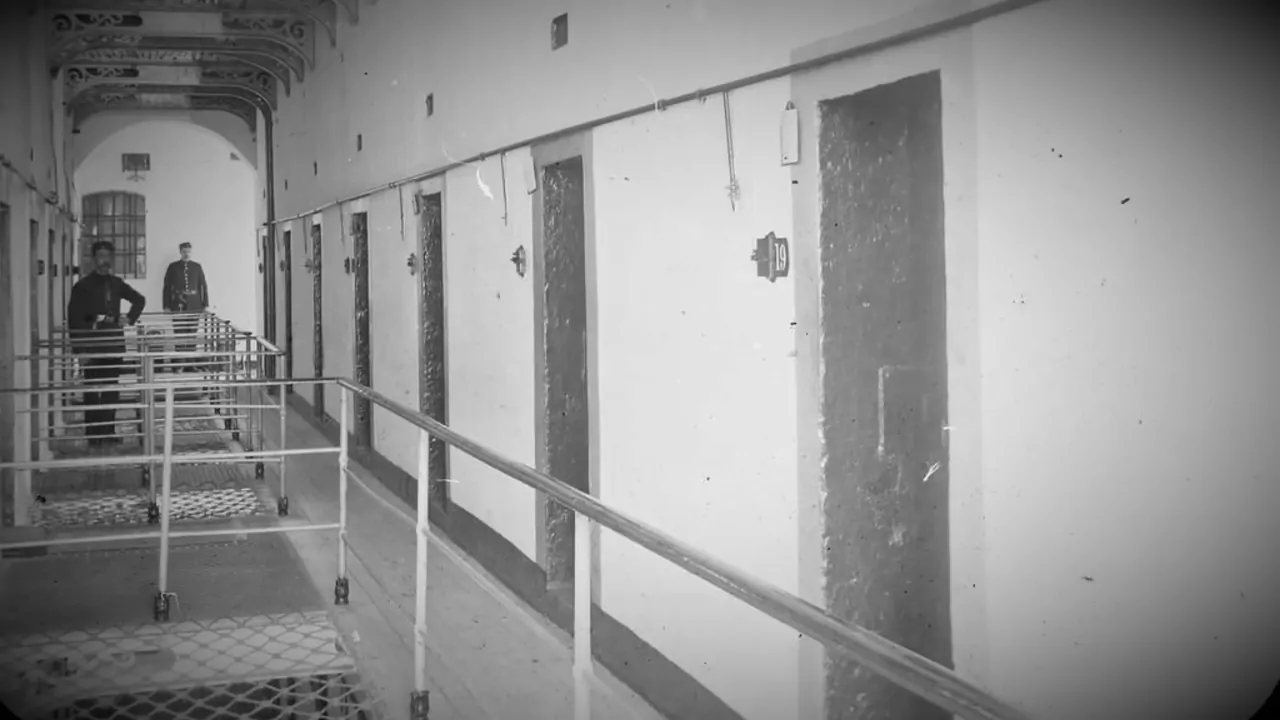
The Stanford Prison Experiment from 1971 became one of the most widely discussed psychological studies in modern history.
Conducted by social psychologist Philip Zimbardo at Stanford University, it aimed to examine how ordinary individuals behave when placed in positions of power or submission.
Twenty-four male volunteers were randomly assigned roles as either prisoners or guards in a simulated prison environment built in a university basement.
Although planned to last two weeks, the experiment ended after only six days amid reports of emotional distress, aggressive guard behavior, and mounting ethical concerns.
For decades, it was presented as strong evidence that situational pressure can dramatically influence human behavior.
New Research Questions the Classic Narrative
Recent historical analysis by French science historian Thibault Le Texier has challenged the traditional interpretation of the experiment.
His book, recently translated into English, draws on archival materials, transcripts, interviews with participants, and previously unseen recordings. According to this research, the famous story of spontaneous cruelty may oversimplify what actually happened.
Evidence suggests that the guards were not simply reacting naturally to their roles but received guidance beforehand on how to create a psychologically controlling environment.
Claims of Coaching and Directed Behavior
Le Texier’s findings indicate that members of the research team provided instructions on maintaining authority and enforcing strict discipline.
Some guards were reportedly encouraged to adopt tougher tactics, while those who showed leniency were criticized.
This contradicts the long-standing claim that abusive behavior emerged organically from the prison simulation.
If accurate, this coaching could significantly affect how the results are interpreted, shifting the study from an observation of natural human reactions to something closer to a structured role-play with guided expectations.
Prisoner Experiences Were Not Uniform

Participants assigned as prisoners entered the experiment with varying expectations. Some assumed the experience would resemble a controlled academic exercise rather than an intense psychological simulation.
When strict rules, humiliation, and unpredictable treatment appeared, reactions varied widely.
Some prisoners resisted authority, others complied to avoid conflict, and some experienced emotional stress.
Several participants wanted to leave but found that exiting the experiment was more complicated than initially suggested, adding another layer of controversy to the study’s ethical conduct.
Reevaluation of Emotional Breakdown Claims
The dramatic narrative often associated with the Stanford experiment includes reports that multiple prisoners suffered severe psychological breakdowns.
Le Texier’s archival review suggests the number officially released for emotional distress may have been lower than commonly reported.
He also noted evidence that at least one participant may have exaggerated symptoms. While this does not negate the stress experienced by volunteers, it challenges the intensity often portrayed in popular retellings.
Why the Experiment Ended Early
View this post on Instagram
The experiment’s abrupt termination has traditionally been attributed to escalating cruelty and ethical alarm. However, new documentation suggests additional factors. Guards were reportedly becoming less effective as prisoners organized resistance.
A visit from a lawyer also raised questions about the legality of holding volunteers under restrictive conditions.
These legal and operational pressures likely contributed to the decision to stop the experiment sooner than planned.
Cultural Context Behind Its Lasting Impact
The early 1970s in the United States were marked by political unrest, anti-authoritarian sentiment, and prison reform debates, including the deadly Attica prison uprising in 1971.
Against this backdrop, Zimbardo’s study resonated strongly with public concerns about authority, power, and institutional abuse.
Dramatic photographs, compelling storytelling, and media attention helped cement the experiment’s place in popular culture and academic discussion.
Modern Psychological Perspectives
The Stanford Prison Experiment was one of the most iconic studies in 20th-century social psychology, suggesting that anyone could become a sadistic bully. It was just a matter of social context.
Decades later, it is now evident that much of it was staged to support this… https://t.co/hkQQIfdGjb
— Lionel Page (@page_eco) October 31, 2024
Today, many psychologists approach the Stanford Prison Experiment more cautiously. Ethical standards in research have evolved significantly, making a similar study unlikely to be approved.
Scholars now emphasize methodological concerns, possible participant coaching, and the influence of Zimbardo’s dual role as both researcher and simulated prison authority figure.
Replication attempts and subsequent analyses have produced mixed conclusions, suggesting the original findings may not be as definitive as once believed.
A Legacy Still Under Debate
@sparklinghosewaterprison experiment
Despite ongoing criticism, the Stanford Prison Experiment remains a powerful historical reference point in psychology. Its influence persists in discussions about authority, institutional power, and human behavior under pressure.
However, the latest research suggests it may be better understood not as definitive proof of human nature but as a complex case shaped by narrative framing, cultural context, and evolving scientific standards.