

Experts recommend consulting a doctor if the twitches occur frequently or are accompanied by other symptoms. Lifestyle changes, such as maintaining a regular sleep schedule and using relaxation techniques, can reduce how often these twitches happen.
Suddenly waking up with the feeling that you are falling, professionally known as a hypnic jerk, is generally harmless and usually not something you should worry about. However, if it happens too often, it may point to certain underlying factors.
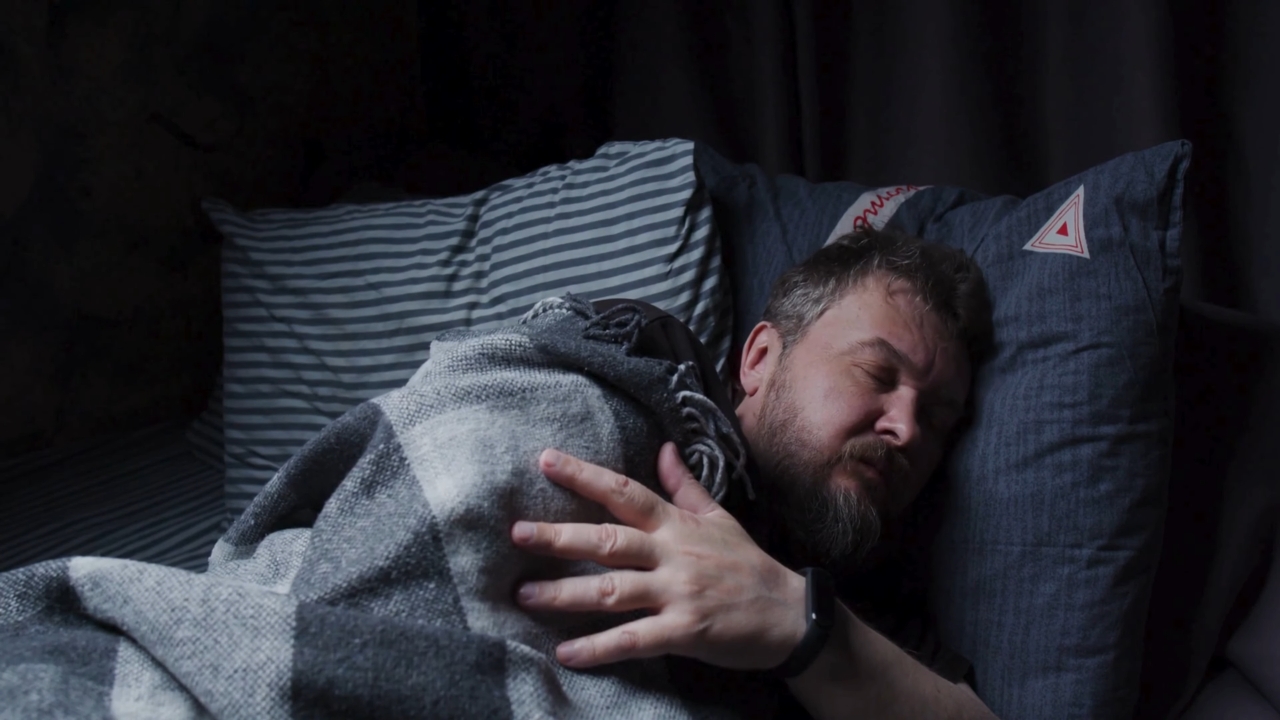
A hypnic jerk appears as a sudden, involuntary muscle contraction just before falling asleep.
According to a 2016 study published in the journal Sleep Medicine, this phenomenon is experienced by as many as 60–70% of people. Anesthesiologist Dr. Majro Figura from Los Angeles explains that it is an unusual brain reaction during the transition into sleep.
“At the moment of falling asleep, muscles relax, but the brain can mistakenly interpret this state as falling, which triggers a sudden body jerk,” the doctor states.
How the Brain Responds to Stress
Experts emphasize that hypnic jerks are a natural body reaction and are not a sign of illness, although they can sometimes indicate sleep disturbances.
They most often occur during the light stage of sleep and can be intensified by an irregular circadian rhythm, such as shift work or changing time zones.
According to data from the Sleep Foundation, this phenomenon appears at all ages but is more common in adults.
Dr. Figura warns that frequent twitching may signal physical overload or excessive stimulation.
“This can mean you are under stress, not getting enough sleep, or consuming too much caffeine,” he emphasized in a video posted on Instagram.
What You Can Do
Experts note that although dreams involving a falling sensation cannot be fully controlled, the frequency of hypnic jerks can be reduced through simple lifestyle adjustments.
Limiting caffeine intake, avoiding stressful situations before bedtime, and maintaining a consistent circadian rhythm are recommended. Breathing techniques for relaxation before sleep can also be helpful.
Hypnic jerks most commonly occur while falling asleep and can cause discomfort. Occasional episodes usually do not require medical attention, but if they occur frequently or are accompanied by other symptoms, consulting a healthcare professional is recommended.
Related Posts:
- 11 Most Common Preventable Diseases Affecting Older…
- Hiccups Under Control - 10 Unusual but Effective…
- How US Healthcare Systems Are Addressing Impulse…
- How Many People Die Each Day in the US in 2026?…
- How Menopause Changes Your Body, Sleep, Mood and…
- How Lighting Affects Mental Focus, Sleep, and Eye Health