

Perimenopause is the transitional period leading up to menopause.
Hormone levels begin to fluctuate during this stage, menstrual cycles may become irregular, and symptoms can appear several years before periods stop completely.
Menopause is confirmed after 12 consecutive months without a menstrual period. Declining estrogen and progesterone levels can affect temperature regulation, sleep, mood, energy, sexual health, and general well-being.
Sleep difficulties commonly begin during perimenopause and may continue after menopause. More than 40% of perimenopausal women report sleep problems, while research estimates that 52% to 64% of postmenopausal women struggle to sleep well.
Hormonal changes play an important role, but stress, physical symptoms, health conditions, and daily habits can also contribute.
Physical Changes During Menopause
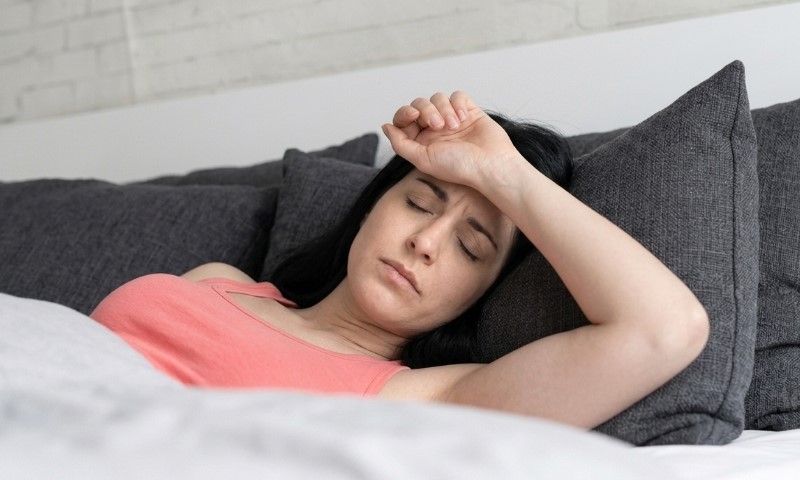
Several physical changes are especially common during the menopausal years:
- More than 80% of women experience hot flashes.
- Sudden episodes may involve warmth, flushing, sweating, chills, or a rapid heartbeat.
- Night sweats can soak clothing or bedding and cause repeated awakenings.
- Vaginal dryness, discomfort during sex, reduced arousal, or changes in sexual desire may develop.
Falling estrogen levels affect the body’s temperature-control system. Small changes in body temperature can then trigger an intense physical response, including sweating and nighttime discomfort.
Changes in metabolism and body composition may also occur.
Readers looking for practical ways to address abdominal weight gain can find exercise, nutrition, sleep, and stress-management suggestions at Everyday Health.
Lower estrogen also affects vaginal tissue, making it thinner, drier, and less elastic. Local treatments, lubricants, moisturizers, and other medical options may help relieve discomfort.
Energy levels can decline when physical symptoms repeatedly interrupt sleep.
Poor-quality rest may cause daytime fatigue, sluggishness, headaches, brain fog, and trouble concentrating. Tasks that once felt manageable may require more effort when the body is consistently tired.
How Menopause Changes Sleep
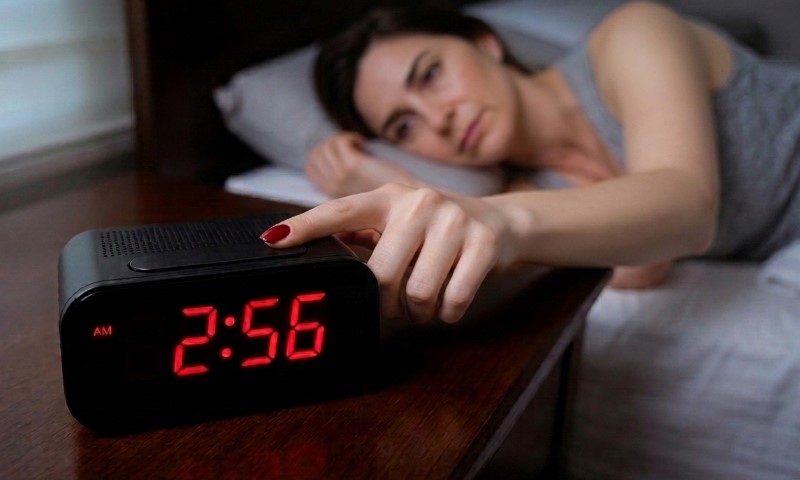
Difficulty falling asleep is only one possible sleep change.
Many women wake frequently, sleep more lightly, rise earlier than intended, or feel unrested despite spending enough time in bed.
Declining progesterone may reduce its naturally calming effect, while fluctuating estrogen can contribute to night sweats and unstable temperature regulation.
Stress hormones and age-related changes in sleep patterns may add another layer of disruption.
Awakening does not always happen because a woman notices that she is hot.
Some women wake immediately before a hot flash begins, suggesting that activity in the brain may trigger both the awakening and the temperature surge.
Waking between 3 and 5 a.m. may involve several overlapping factors:
- Sleep naturally becomes lighter during the early morning.
- Cortisol levels begin changing as the body prepares to wake.
- Hot flashes can interrupt a lighter stage of sleep.
- Hunger or shifting blood sugar may increase alertness.
- Work, caregiving, and family concerns may become harder to quiet after waking.
Postmenopausal women are two to three times more likely to have sleep apnea than premenopausal women.
Reduced estrogen and progesterone, changes in airway muscle tone, aging, and weight gain may all increase risk.
Symptoms in women are not always obvious. Insomnia, fatigue, morning headaches, poor concentration, low mood, or frequent waking may be more noticeable than loud snoring.
Such overlap with menopause symptoms can delay diagnosis.
Sleep anxiety can create its own cycle. A difficult night may cause worry about the next one, and that worry increases mental and physical alertness at bedtime.
Sleep then becomes even harder, reinforcing fear and frustration.
Mood and Emotional Changes
Irritability, anxiety, sadness, tearfulness, emotional sensitivity, and a lower tolerance for frustration can become more noticeable during perimenopause and menopause.
Hormonal fluctuations may influence brain chemicals involved in mood, but sleep disruption and midlife pressures can be equally important.
Adequate sleep helps the brain regulate emotions and respond calmly to stress.
Fragmented sleep can increase anxiety, shorten patience, and make ordinary responsibilities feel overwhelming.
Minor disagreements or inconveniences may trigger stronger reactions when exhaustion has accumulated.
Sleep-related emotional changes often have a recognizable pattern:
- Mood may improve after one or two nights of better rest.
- Irritability may increase after repeated nighttime awakenings.
- Emotional reactions may feel stronger during demanding periods.
- Concentration and patience may improve when daily pressures ease.
Depression tends to be more persistent and can continue to affect motivation, enjoyment, self-esteem, and relationships even when sleep improves.
Sleep problems and depression can also occur at the same time, with each condition worsening the other.
Work pressure, caregiving duties, concerns about children or aging parents, relationship changes, and shifts in personal identity may intensify emotional strain.
Quiet nighttime hours can give unresolved worries more room, making it difficult for the mind to slow down.
Effects on Overall Health
Persistent sleep disruption can affect nearly every part of daily life.
Common consequences include fatigue, moodiness, reduced concentration, slower reaction time, memory problems, and lower productivity.
Poor sleep may also reduce motivation to exercise or prepare balanced meals.
Tiredness can make work, relationships, caregiving, and household responsibilities harder to manage.
Repeated nights of limited rest may gradually affect confidence and coping ability.
Several areas should be monitored as part of menopause care:
- Bone density, especially when osteoporosis risk factors are present
- Blood pressure and cholesterol levels
- Blood sugar and changes in body composition
- Anxiety, depression, and prolonged emotional distress
- Symptoms suggesting sleep apnea or another sleep disorder
Lower estrogen accelerates bone loss and can increase osteoporosis risk. Weight-bearing exercise, resistance training, adequate calcium, sufficient vitamin D, and appropriate screening can help protect bone strength.
Untreated sleep apnea carries additional health concerns. Frequent breathing interruptions reduce sleep quality and may place strain on cardiovascular and metabolic health.
Proper evaluation is important when fatigue, snoring, gasping, or unexplained nighttime waking continues.
Heart and metabolic health may also change as estrogen declines.
Routine medical care can help detect changes early and identify suitable treatment or lifestyle adjustments.
Managing Menopause Symptoms
View this post on Instagram
Consistent daily habits can improve sleep quality and make symptoms easier to manage.
Going to bed and waking at similar times helps regulate the body clock, including on weekends.
Bedroom adjustments can reduce nighttime discomfort:
- Keep the room cool, dark, and quiet.
- Choose lightweight pajamas and breathable bedding.
- Place a fan near the bed if night sweats occur frequently.
- Use layered blankets that can be removed easily.
- Keep spare clothing nearby when sweating is severe.
Screen use should ideally stop at least one hour before bed. Bright light and stimulating material can delay sleepiness and keep the brain active.
Caffeine late in the day can make falling asleep harder. Alcohol may initially cause drowsiness, but it often fragments sleep later in the night and can worsen hot flashes.
Spicy foods, heavy meals, and highly processed foods may also aggravate symptoms for some women.
Regular exercise can support sleep, mood, bone health, cardiovascular health, and weight management. Morning or afternoon activity is often preferable for anyone who feels more alert after exercise.
Vigorous workouts close to bedtime may delay sleep in sensitive individuals.
Stress-management practices can reduce physical tension and mental alertness.
Helpful options include meditation, yoga, slow breathing, and progressive muscle relaxation. Even a brief daily routine can help the nervous system settle.
Treatment addresses habits and thoughts that reinforce insomnia, including spending excessive time awake in bed, irregular sleep schedules, and fear about not sleeping.
Medical treatment may include several options:
- Hormone therapy may reduce hot flashes, night sweats, mood swings, and sleep disruption.
- Certain antidepressants may reduce hot flashes and support better sleep, even when depression is not present.
- Other non-hormonal prescription medications may be considered based on symptoms and medical history.
- Supplements require medical review because they can cause side effects or interact with medications.
Suitability for hormone therapy depends on personal symptoms, age, medical history, and individual risk factors.
A healthcare professional can explain possible benefits, risks, treatment forms, and dosing options.
When to Seek Medical Help

Professional evaluation is appropriate when sleep problems continue for more than a few months, occur several nights each week, or interfere with daytime functioning.
Ongoing fatigue should not automatically be attributed to menopause.
Warning signs that warrant medical attention include:
- Loud snoring, gasping, or observed breathing interruptions
- Severe daytime sleepiness or morning headaches
- Persistent insomnia that affects work or daily responsibilities
- Anxiety, depression, hopelessness, or loss of interest
- Emotional distress that continues even after sleep improves
- Thoughts of self-harm, which require immediate assistance
Other medical conditions can produce similar symptoms.
Thyroid disorders, anemia, medication effects, chronic pain, restless legs syndrome, and other sleep disorders may contribute to fatigue or nighttime waking.
A clinician may recommend blood tests, a medication review, or a sleep study.
Sleep testing can monitor breathing, oxygen levels, heart rate, and sleep patterns to identify sleep apnea or another disorder.
FAQs
Summary
Menopause affects far more than reproductive health. Hormonal changes can disrupt temperature regulation, sleep, energy, sexual health, mood, and concentration.
Repeated sleep loss can then intensify fatigue, anxiety, irritability, and difficulty managing daily responsibilities.
Addressing physical symptoms and emotional health together can make menopause easier to manage.
Healthy sleep habits, regular exercise, stress reduction, appropriate screening, and individualized medical treatment can support better health and quality of life throughout the transition.