
Workplace safety in the United States is largely defined by the Occupational Safety and Health Administration (OSHA). The agency sets mandatory standards that businesses must follow to prevent injuries, illnesses, and fatalities at work.
The central requirement is simple but far-reaching: employers must provide a workplace free from recognized hazards and must actively manage risks through training, monitoring, documentation, and safety systems.
OSHA compliance is not optional or symbolic. It directly affects legal liability, insurance costs, operational continuity, and employee well-being.
Companies that treat OSHA rules as a strategic operational framework rather than a legal burden typically see fewer accidents, better workforce retention, and stronger regulatory standing.
OSHA Legal Framework and Employer Responsibilities
#ThrowbackThursday The OSH Act was signed by Nixon in 1970. Learn what the act does for you as a worker: https://t.co/0aqo3XtCLX pic.twitter.com/WgkoesFgkm
— OSHA_DOL (@OSHA_DOL) November 3, 2016
OSHA regulations stem from the Occupational Safety and Health Act of 1970, which established enforceable federal standards for workplace safety. These rules apply to most private employers, with certain variations depending on state plans and industry sectors.
The most important legal obligation is the General Duty Clause. This requires employers to eliminate serious recognized hazards even when no specific OSHA standard exists.
For example, if a workplace contains machinery known to cause injuries, employers must implement safeguards even if a detailed regulation does not explicitly describe that specific scenario.
Core Employer Duties Under OSHA
Requirement Area
Employer Obligation
Practical Implementation
Hazard prevention
Maintain safe workplace conditions
Safety audits, risk assessments
Compliance
Follow OSHA standards relevant to the industry
Written procedures, inspections
Training
Educate employees about hazards
Safety briefings, onboarding training
Reporting
Record injuries and illnesses
OSHA 300 logs, incident reports
Worker protection
Prevent retaliation for safety reporting
Whistleblower protections
These responsibilities apply continuously, not only during inspections.
Hazard Identification and Risk Management
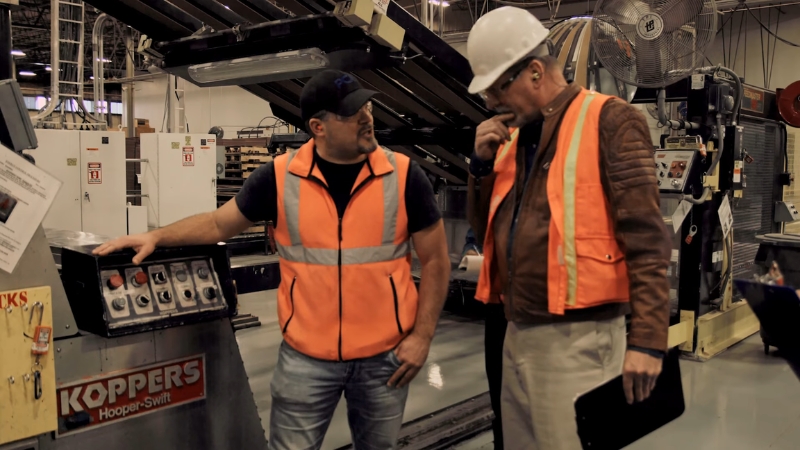
Effective OSHA compliance starts with systematic hazard identification. This involves examining work environments, tools, chemicals, processes, and operational patterns that could cause harm.
Businesses typically use three levels of hazard control:
Hierarchy of Hazard Controls
Control Type
Description
Example
Engineering controls
Physical changes to eliminate the hazard
Machine guards, ventilation systems
Administrative controls
Policy or workflow adjustments
Shift rotation, restricted access
PPE (Personal Protective Equipment)
Individual protection equipment
Helmets, respirators, and gloves
Engineering solutions are preferred because they eliminate risk at the source. PPE is considered a last line of defense.
Personal Protective Equipment Requirements
When hazards cannot be fully removed, OSHA requires employers to provide suitable personal protective equipment. The employer generally bears the cost, except in limited circumstances.
Key PPE obligations include:
Common workplace PPE categories include eye protection, hearing protection, respiratory equipment, fall protection gear, protective clothing, and chemical-resistant gloves.
Failure to implement PPE programs remains one of the most frequently cited OSHA violations.
Workplace Fire Safety and Specialized Risk Mitigation
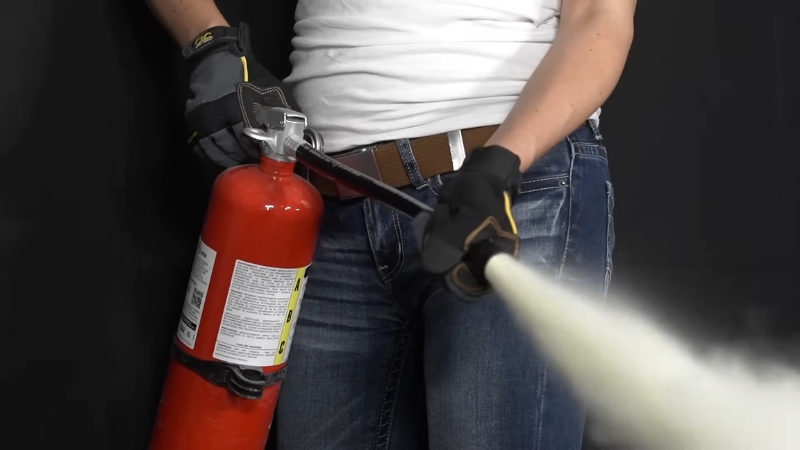
Fire prevention is a critical OSHA focus, especially in construction, manufacturing, energy production, and industrial maintenance environments. Temporary fire risks often arise during welding, electrical work, or equipment installation.
In such situations, businesses sometimes rely on specialized monitoring personnel to reduce risk exposure.
For example, companies operating industrial projects or shutdown maintenance may consider hiring a fire watch in Pennsylvania when local regulations, insurance requirements, or operational hazards make continuous fire monitoring necessary.
This approach aligns with OSHA fire prevention principles by ensuring hazards are actively supervised when standard fire suppression systems are unavailable or temporarily disabled.
Fire safety programs typically include:
These measures significantly reduce incident severity.
Employee Training and Communication Requirements
Training is not a one-time activity under OSHA. It must be continuous, documented, and hazard-specific. Workers must understand the risks they face and how to mitigate them.
Common Mandatory Safety Training Topics
Training Category
Typical Audience
Frequency
Hazard communication
All employees handling chemicals
Initial plus refreshers
Fall protection
Construction workers
Periodic
Lockout tagout procedures
Maintenance staff
Annual recommended
Fire safety
All employees
Periodic drills
PPE usage
Employees exposed to hazards
Initial plus updates
Proper documentation protects employers during inspections and liability disputes.
OSHA Recordkeeping and Reporting Standards
View this post on Instagram
Accurate documentation is central to OSHA compliance. Businesses must track workplace injuries, illnesses, exposures, and safety training records.
The OSHA 300 log is the primary injury recordkeeping document. Employers must record incidents involving:
Exposure records, especially for chemicals or noise hazards, often require retention for decades.
Record Retention Overview
Record Type
Typical Retention Period
Injury illness logs
5 years
Exposure records
Up to 30 years
Training documentation
Varies by standard
Inspection reports
Recommended permanent archive
These records help identify systemic risks and support compliance audits.
OSHA Inspections and Enforcement Process
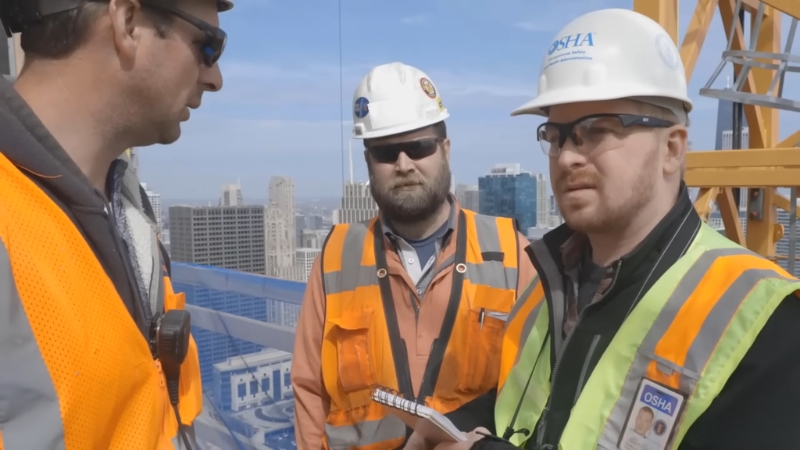
OSHA inspections may occur due to complaints, accidents, targeted industry programs, or random selection. Inspectors typically review documentation, observe operations, and interview employees.
Inspection priorities usually follow this order:
Penalties can include substantial fines, mandated corrective actions, or legal escalation.
Industry-Specific OSHA Standards
Different sectors face distinct OSHA requirements.
Key OSHA Industry Standards
Industry
Major Risks
Typical Regulations
Construction
Falls, heavy equipment
Fall protection, scaffolding rules
Manufacturing
Machinery hazards, chemicals
Machine guarding, hazard communication
Healthcare
Biological exposure
Bloodborne pathogen standards
Maritime
Structural and environmental risks
Vessel safety regulations
Agriculture
Equipment, chemical exposure
Equipment safety standards
Understanding industry-specific obligations is essential for compliance.
Consequences Of Non-Compliance
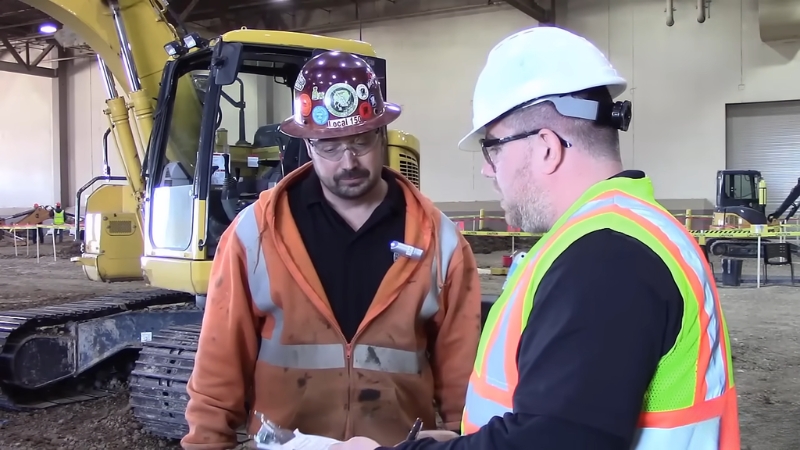
Ignoring OSHA rules carries direct financial, operational, and reputational consequences.
Potential Business Impacts
Impact Area
Consequences
Financial
Fines, insurance increases
Legal
Lawsuits, liability exposure
Operational
Work stoppages, investigations
Workforce
Injury rates, morale decline
Reputation
Public trust damage
Safety failures often cost far more than prevention.
Strategic Benefits of OSHA Compliance
Organizations with strong safety cultures typically experience measurable business advantages. Lower injury rates reduce downtime, improve productivity, and enhance workforce trust.
Insurance premiums often decline when safety metrics improve.
Additionally, compliance strengthens credibility with clients, regulators, and partners.
Companies that embed OSHA compliance into operational planning rather than treating it as regulatory overhead tend to outperform peers in workforce stability and operational continuity.
Bottom Line

OSHA workplace safety rules require businesses to actively identify hazards, train employees, provide protective equipment, document incidents, and maintain safe operational environments.
Compliance protects workers, reduces legal risk, stabilizes operations, and supports long-term business resilience.