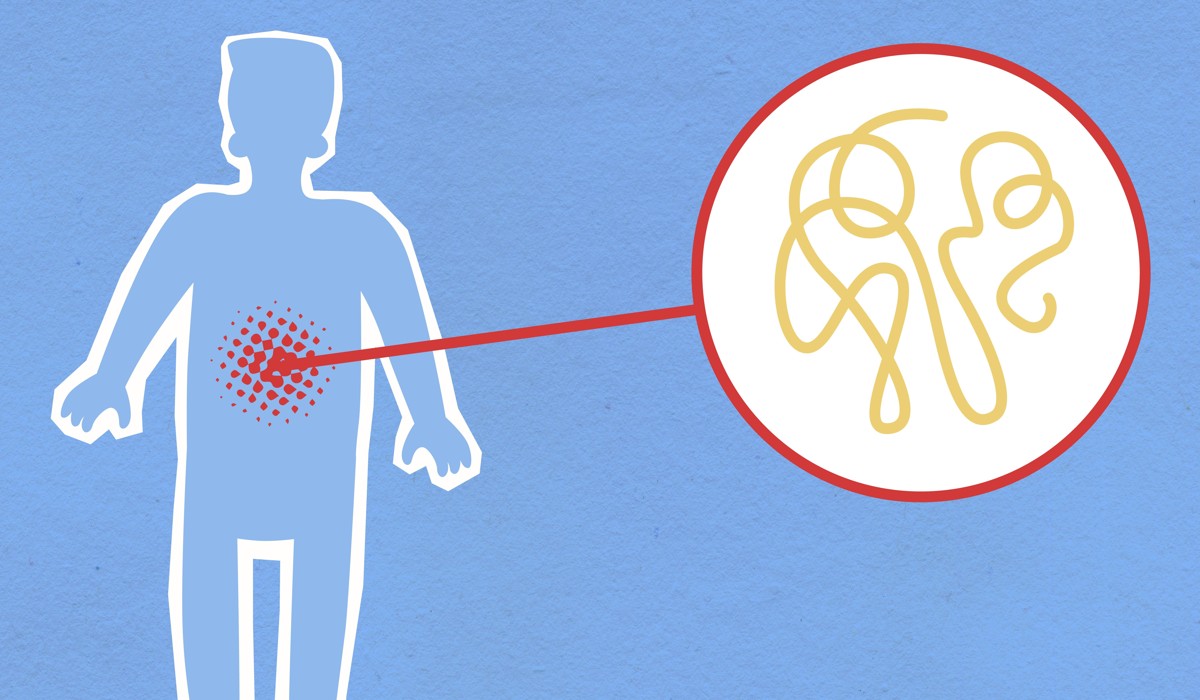
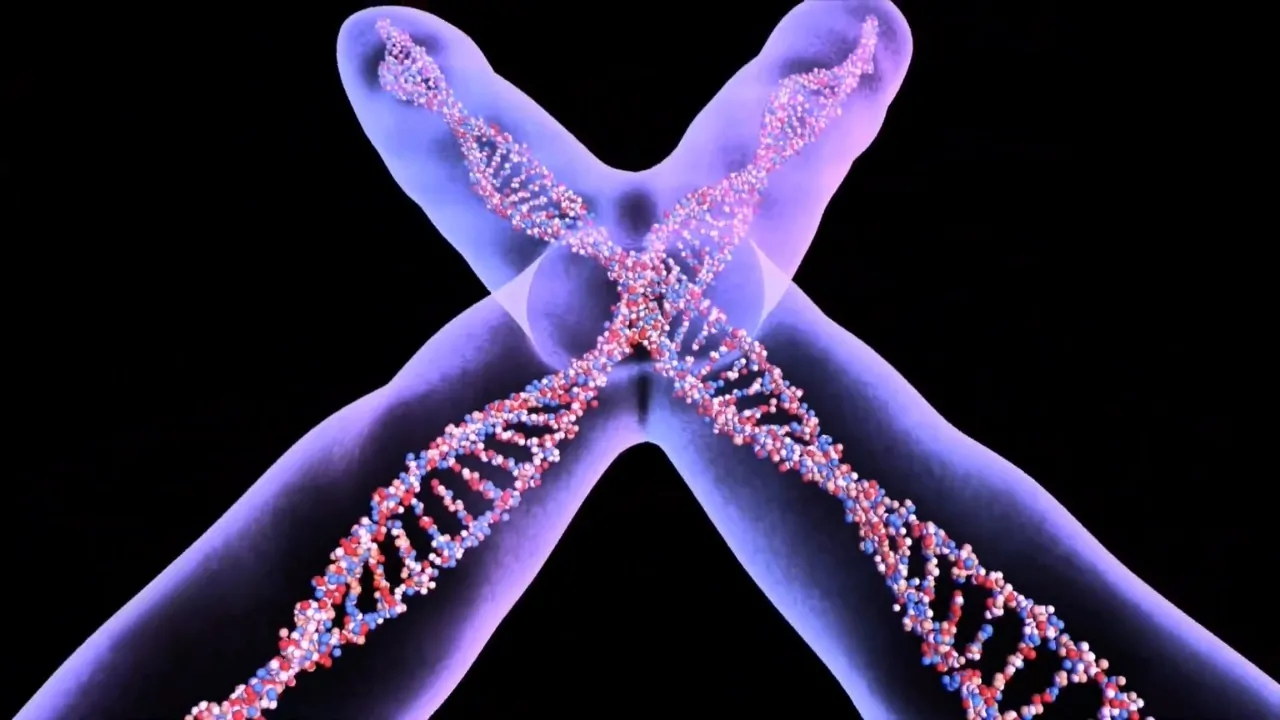
For decades, scientists believed that losing the Y chromosome in some cells as men age probably had little health impact. The Y chromosome contains relatively few genes compared with other chromosomes, and most are linked to male sex determination and fertility.
But newer research suggests this loss may carry broader consequences, including links to heart disease, cancer, neurodegenerative conditions, and shorter lifespan.
This discovery is changing how researchers think about male aging and disease risk. Instead of being biologically insignificant, the gradual disappearance of the Y chromosome in certain cells appears to influence overall health in ways scientists are still working to fully understand.
How Common Is Y Chromosome Loss?
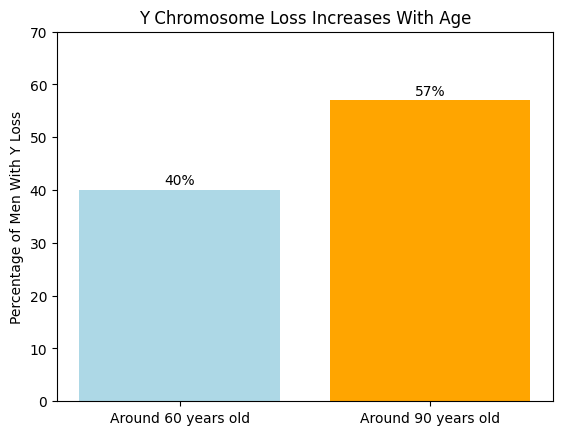
Modern genetic testing methods show that losing the Y chromosome in some cells, called mosaic loss of Y, becomes more common with age.
Current estimates suggest:
Lifestyle and environmental factors can increase the likelihood of this loss. Smoking, pollution exposure, and certain carcinogens are known contributors. Once cells lose the Y chromosome, they do not regain it, meaning affected cells continue dividing without it.
Interestingly, laboratory studies show Y-deficient cells sometimes grow faster than normal cells. That advantage could explain why they accumulate over time and why they may appear frequently in tumors.
Why the Y Chromosome Is Vulnerable
The Y chromosome is structurally unusual and relatively small. During cell division, it can occasionally fail to move correctly into new cells, essentially getting “left behind.” This error is more likely in tissues where cells divide rapidly.
Unlike other chromosomes, losing the Y chromosome does not immediately kill a cell. That ability to survive without it is why scientists originally assumed its loss would not matter much biologically.
From an evolutionary perspective, the Y chromosome has been shrinking for about 150 million years. Some animal species have already lost it completely, which further reinforces the idea that it might not play major roles beyond reproduction.
Recent research, however, suggests that the assumption may have been too simplistic.
Health Conditions Linked to Y Chromosome Loss
Evidence now shows associations between Y chromosome loss and several serious health issues. While associations do not prove direct cause, patterns are becoming difficult to ignore.
Major Conditions Linked With Y Loss
Health Area
Observed Association
Cardiovascular disease
Higher heart attack risk in older men
Cancer
Increased occurrence and poorer outcomes
Neurodegenerative disease
Higher rates of Alzheimer’s disease
Kidney disease
Greater Y loss is seen in affected tissues
Infectious disease severity
Higher mortality seen in COVID cases
One large German study, for example, found that men over 60 with higher levels of Y chromosome loss had increased heart attack risk. Other research reports about a tenfold higher frequency of Y loss in patients with Alzheimer’s disease.
Cancer connections are also notable. Many tumors themselves show Y chromosome loss, suggesting a possible role in cancer progression.
Does Y Chromosome Loss Actually Cause Disease?
As the world progresses, biologists have shed light on how the Y chromosome, one of the two sex chromosomes in humans, is on the cusp of disappearing. The complete disappearance of this chromosome would mean the end of the male offspring in the future.
However, there is some… pic.twitter.com/FWLkzb5qMl
— The Tatva (@thetatvaindia) August 27, 2024
This remains one of the biggest unanswered questions. There are three main possibilities:
Genetic studies indicate that roughly one-third of the risk of Y chromosome loss may be inherited. Researchers have identified about 150 genes involved, many connected with cell division control and cancer susceptibility.
Animal studies offer stronger hints of causation. In one experiment, scientists transplanted Y-deficient blood cells into mice. The animals developed more age-related health problems, including reduced heart function and heart failure.
These findings suggest at least some direct biological effects.
What the Y Chromosome Actually Does in the Body
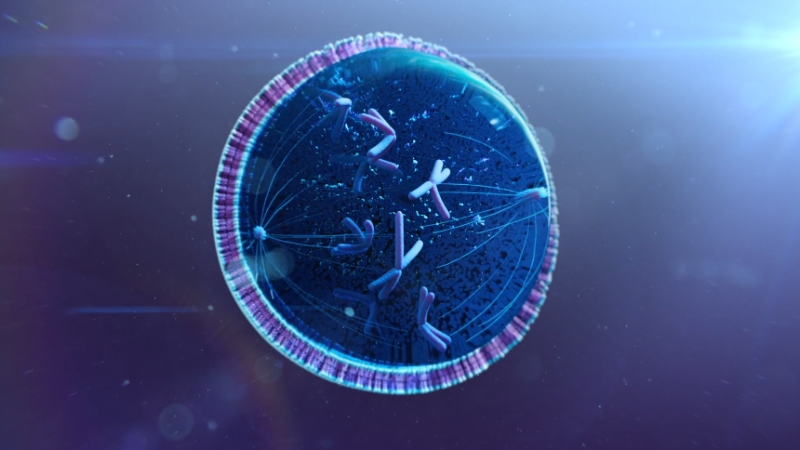
Although the Y chromosome has only about 51 protein-coding genes, several appear to play roles beyond reproduction.
Some functions include:
Many Y chromosome genes have counterparts on the X chromosome, meaning typical male cells carry one X and one Y copy. Losing the Y removes that genetic balance in affected cells, potentially disrupting normal cellular regulation.
The Y chromosome also contains non-coding genetic material that produces RNA molecules involved in regulating other genes. These indirect effects may explain why losing it influences multiple organ systems.
Why This Research Matters Going Forward
View this post on Instagram
Scientists only completed the full sequencing of the human Y chromosome recently, so understanding its broader functions is still developing. As research progresses, doctors may eventually use Y chromosome monitoring as a biomarker for disease risk in men.
This could influence screening strategies, prevention approaches, and personalized medicine.
For now, the strongest conclusion is that the Y chromosome likely plays a bigger role in long-term health than previously believed, especially in aging men.