Monkey Dust is not the name of a single drug but a slang term used to market cheap powdered stimulants made from synthetic cathinones. These drugs are chemical cousins of amphetamines and MDMA and include substances like MDPHP, MDPV and other pyrrolidino‑cathinones, which are potent stimulants that can cause euphoria, alertness and intense hallucinatory episodes.
Most reports of “Monkey Dust” use come from North Staffordshire (especially Stoke‑on‑Trent) in England, where the powders are sold for as little as £2 a “hit”.
Medical evidence and user testimonies suggest that these powders are highly compulsive and mentally addictive,they trigger strong cravings and can lead to severe behavioural disturbances, but they are not known for strong physical dependence.
What Is Monkey Dust?
Monkey Dust is a catch‑all street name for a variety of synthetic cathinones. These substances are lab‑made stimulants chemically related to the natural stimulant cathinone, which is found in the khat plant. In practice, the powders sold as Monkey Dust frequently contain MDPHP (3′,4′‑methylenedioxy‑α‑pyrrolidinohexiophenone) or MDPV (3,4‑methylenedioxypyrovalerone).
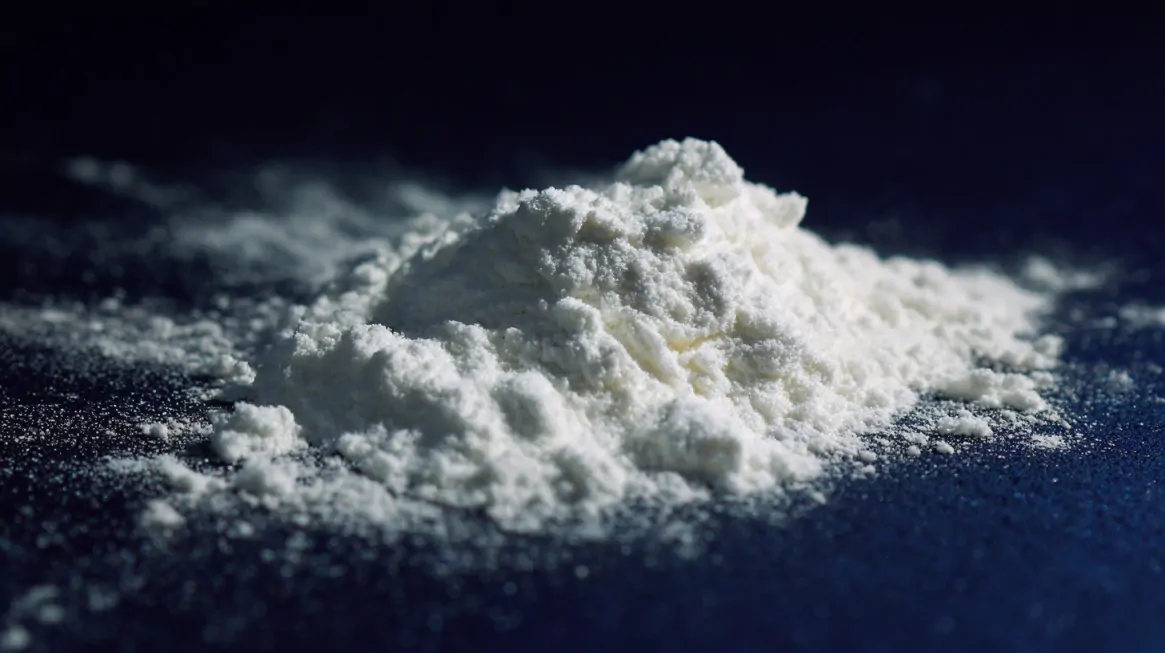
These “bath salt” stimulants are designed to mimic cocaine, amphetamine, or MDMA but avoid specific drug‑law wording; they often appear as fine white, off‑white, or yellowish powder. The powders are usually snorted, smoked, or swallowed, sometimes wrapped in cigarette paper (“bombing”), and are occasionally pressed into tablets.
Composition and Synonyms
| Colloquial name | Typical compounds found | Appearance & forms | Notes |
| Monkey Dust | Often, MDPHP or MDPV may contain related pyrrolidino‑cathinones such as α‑PVP or α‑PiHP. | Usually a fine white/off‑white powder, sometimes yellow or brown; sometimes pressed into pills or capsules. | Name used by dealers; batches vary widely, making effects unpredictable. |
| Bath Salts / Magic Crystals | General term for synthetic cathinones, including mephedrone, methylone and MDPV. | Powder sold in foil or small bags; often labelled “not for human consumption” to evade regulation. | Term widely used in the U.S. before the 2012 ban on MDPV and other bath salts. |
| Pyros / Pyrovalerones | Online forums refer to pyrrolidino‑cathinones (MDPHP, α‑PVP) as “pyros”. | Same as above. | Emphasises the chemical class rather than a brand name. |
Where Is Monkey Dust Popular?

Localised use in the UK
Evidence from the Advisory Council on the Misuse of Drugs (ACMD) shows that the use of powders sold as “Monkey Dust” is concentrated in North Staffordshire and its environs, particularly in Stoke‑on‑Trent. This region has reported severe clinical effects and significant community impact associated with Monkey Dust use.
The drug gained notoriety in the mid‑2010s when police footage showed people behaving erratically under its influence, leading the local media to label Stoke as the “Monkey Dust capital of the UK”.
Emergency services described an “epidemic,” receiving multiple calls a day linked to Monkey Dust incidents. A 2023 ITV investigation found that MDPHP‑based powder sold for about £2 per dose and that supply was readily available on the streets.
Perception versus reality in Australia and elsewhere
Reports in Australia of a Monkey Dust “epidemic” were largely media exaggerations. The Alcohol and Drug Foundation notes that while synthetic cathinones were briefly popular in the mid‑2000s, their use has declined since 2010, and there is no evidence of a Monkey Dust surge.
The term “Monkey Dust” is rarely used outside the UK; in the United States, similar substances were marketed as bath salts and banned nationwide in 2012.
The Talk to Frank advice service in England lists Monkey Dust among cathinone synonyms but does not suggest widespread use beyond certain pockets.
View this post on Instagram
Socio‑economic factors
Research commissioned by Stoke‑on‑Trent City Council found that Monkey Dust’s popularity is partly driven by its low price and long‑lasting high; it is 2–3 times cheaper than crack or powder cocaine and lasts longer.
Interviews with users showed that many people who take Monkey Dust experience homelessness, mental health problems and trauma.
Deprivation and austerity‑driven cuts to social services have left some communities vulnerable, creating an environment where a cheap, accessible stimulant has taken hold.
Overview of reported hotspots
| Region | Evidence of use | Notes |
| Stoke‑on‑Trent (UK) | Multiple police incidents and emergency calls; community research confirms localised use and significant harm. | Described as an “epidemic,” powders sold for ~£2. ACMD report notes severe behavioural disturbances and community disruption. |
| North Staffordshire & Staffordshire County (UK) | ACMD report indicates that a majority of UK MDPHP/α‑PVP‑related deaths and seizures are from this area. | The region accounted for over half of UK synthetic‑cathinone‑related deaths between 2019‑2023. |
| West Yorkshire (UK) | Freedom‑of‑information data show arrests for possession of Monkey Dust, not as high as in Staffordshire. | A smaller hotspot; issues similar to Stoke but less intense. |
| Australia | Alcohol and Drug Foundation states there is no evidence of a Monkey Dust surge, and synthetic cathinone use has been declining. | Media reports about Monkey Dust in Australia are considered exaggerated. |
| United States (Bath Salts) | MDPV and other cathinones were sold as “bath salts” until a national ban in 2012. | The term “Monkey Dust” is rarely used; some early U.S. reports of violent incidents involved MDPV. Bans and enforcement reduced availability. |
How Addictive Is Monkey Dust?
Psychological dependence and cravings
According to service providers and users in North Staffordshire, Monkey Dust induces a powerful urge to reuse the drug. Users described it as “morish,” “mentally addictive” or an “obsession,” noting that they could not stop until they had finished their supply.
The EDAS factsheet echoes these reports, stating that Monkey Dust can create a state of psychological dependence and that people experience intense, uncontrollable urges to take the drug again. Frequent use may lead to withdrawal symptoms such as depression, anxiety, tremors and insomnia.
Limited evidence of physical withdrawal
While cravings are strong, both the ACMD report and user interviews found little evidence of pronounced physical withdrawal. Users did not report major physical symptoms when they stopped using, which distinguishes Monkey Dust from opioids or alcohol. Nonetheless, the compulsive nature of use and the severe psychological effects can make quitting extremely challenging without professional help.
In cases where Monkey Dust use becomes compulsive or begins to affect a person’s mental health, professional addiction treatment is often necessary. Long-term stimulant dependence can be extremely difficult to manage without structured medical and psychological support.
Specialist rehabilitation programmes, such as those offered by Private Rehabs UK, combine medically supervised detox, therapy and long-term recovery planning to help people break cycles of substance dependence and rebuild stable lives.
According to the organisation, personalised treatment plans and ongoing support play a critical role in addressing both the addiction itself and the underlying mental health issues that often accompany stimulant abuse.
Scientific evidence of high abuse potential
Laboratory studies offer insight into why Monkey Dust compounds are so compulsive. MDPV, a common constituent, acts as a potent inhibitor of dopamine and norepinephrine reuptake; it blocks these transporters more strongly than cocaine, leading to prolonged and intense stimulation of reward pathways.
In rat experiments, MDPV triggered stronger and more persistent positive‑affect vocalisations and was self‑administered more eagerly than cocaine.
Researchers found that MDPV produced rewarding and reinforcing effects at one‑tenth the dose of cocaine, highlighting a significant abuse risk. Such findings align with the intense cravings reported by users.
Addictive profile summary
| Aspect of addiction | Evidence | What it means |
| Psychological dependence | Users describe Monkey Dust as “mentally addictive” and “morish,” with strong urges to redose. EDAS notes compulsive re‑dosing and difficulty stopping once a session has started. | Users may binge until their supply runs out; cravings are strong despite limited physical withdrawal. |
| Physical dependence/withdrawal | ACMD report notes that users did not describe significant physical withdrawal; withdrawal is primarily mental. | Unlike opioids or alcohol, there is limited evidence of severe physical withdrawal, but mental health symptoms (insomnia, anxiety) may occur. |
| Scientific abuse potential | Animal research shows MDPV is more potent than cocaine at blocking dopamine/norepinephrine uptake and has greater rewarding and reinforcing effects. | High abuse liability; small doses can produce intense reward, increasing risk of compulsive use. |
| Treatment challenges | No specific replacement therapy exists; treatment relies on psychological support, harm reduction and addressing underlying trauma. | Recovery requires long‑term support, often complicated by homelessness, mental health issues and stigma. |
Effects, Risks and Harm
The rise of ‘monkey dust’ – an illegal synthetic drug that makes people jump off buildingshttps://t.co/Rtvf7PXBNM pic.twitter.com/RRB3BiWgrt
— BBC News (UK) (@BBCNews) August 15, 2018
The short‑term effects of Monkey Dust include euphoria, increased energy, talkativeness and heightened connection to music.
- Behavioural disturbances – Users may become erratic, noisy and antisocial. Police have reported rooftop sieges, individuals jumping from roofs and running into traffic.
- Paranoia and hallucinations – Some users believe insects are under their skin or veins and may self‑harm to remove them. Hallucinations and delusions contribute to dangerous behaviour.
- Agitation and psychosis – Emergency department staff report that Monkey Dust users often display severe agitation or psychosis requiring sedation and sometimes emergency anaesthesia.
- Physical risks – Use can cause increased heart rate, high body temperature, chest pain, seizures, kidney damage and strokes. Mixing Monkey Dust with alcohol or other drugs increases the risk of overdose and death.
- Long‑term effects – Repeated use is associated with psychosis, memory loss, insomnia and mental health problems. Skin and lung damage have been reported, along with chronic leg ulcers and vein thrombosis when injected.
Legal Status and Government Response
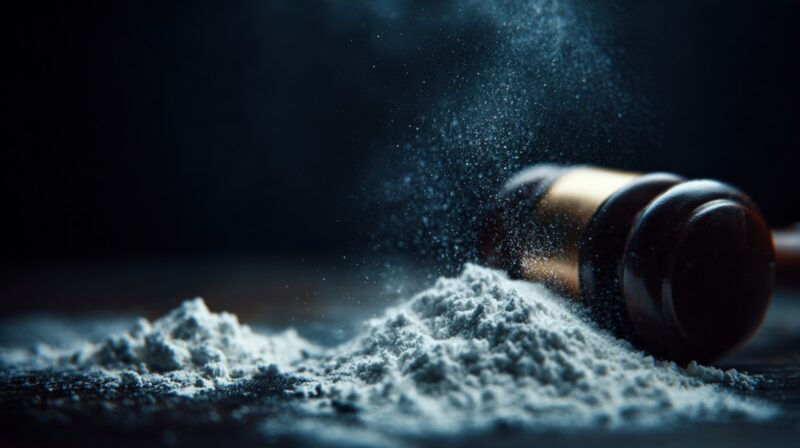
In the United Kingdom, synthetic cathinones were brought under Class B control in 2010; possession can result in up to five years in prison and supply up to fourteen years. The ACMD’s 2025 harms assessment notes that powders sold as Monkey Dust cause significant harm and recommends reviewing whether certain pyrrolidino‑cathinones warrant a higher classification.
Media reports indicate that the government is considering reclassifying MDPHP to Class A, which would carry harsher penalties.
In the United States, MDPV and related cathinones were added to Schedule I of the Controlled Substances Act in 2012, effectively banning them nationwide. Many other countries have adopted similar controls; however, new analogues continue to emerge, and enforcement remains a challenge.
Why Has Monkey Dust Become Popular?
- Low cost and availability – The drug is much cheaper than cocaine or crack; the ACMD reports that powders sold as Monkey Dust cost two to three times less than equivalent amounts of cocaine, and ITV noted a typical price of £2 per hit.
- Long‑lasting high – Users report that the high can last around 12 hours, which reduces the cost per hour of intoxication.
- Social and economic deprivation – Many users experience homelessness, unemployment and trauma. Without stable support, a cheap stimulant that temporarily boosts mood can be attractive.
- Stigma and lack of services – The label “Monkey Dust” carries stigma; users may be excluded from housing and healthcare because of their perceived unpredictability. Limited access to mental health and addiction services in deprived areas further entrenches use.
Conclusion
Monkey Dust is not a single drug but a street label for a variety of potent synthetic cathinone powders, typically containing MDPHP or MDPV. These stimulants are chemically similar to amphetamine and MDMA and produce short‑lived euphoria alongside severe negative effects like paranoia, hallucinations and erratic behaviour.
Monkey Dust use is largely restricted to pockets of the UK, particularly Stoke‑on‑Trent, where the drug’s low price, long‑lasting effects and socio‑economic deprivation have created a localised crisis.
Research indicates that the cathinones in Monkey Dust have high abuse potential, with stronger rewarding and reinforcing effects than cocaine at much lower doses. Users frequently describe the drug as “mentally addictive” but experience limited physical withdrawal.
Addressing the Monkey Dust problem requires more than reclassifying the drug. Improved access to mental‑health and addiction services, trauma‑informed care and socio‑economic support are vital. Harm‑reduction education, drug‑checking services and accurate information can help users minimise harm while authorities work to disrupt supply.
For those worried about their own or someone else’s Monkey Dust use, contact local drug services or the national helpline; support is confidential and can be life‑saving.