

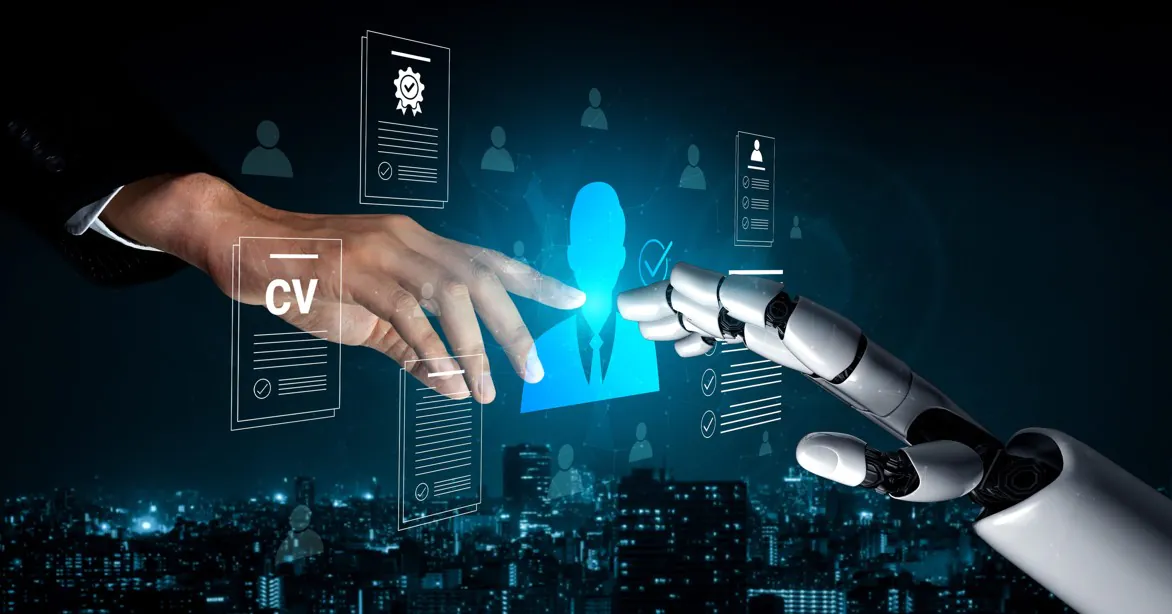
Bill Gates has spent years talking about artificial intelligence as a technology that could improve medicine, education and productivity. His latest message is much darker.
The Microsoft co-founder now says AI could permanently eliminate large numbers of jobs, hit both office workers and manual labor, and leave governments dealing with an economic transition they have barely started preparing for.
In a nearly 6,000-word essay published this week, Gates wrote that AI is improving at a “mind-blowing rate” and argued that the next decade will look very different from previous technological shifts.
Bill Gates wrote that AI will take on work in law, customer service, medicine, software and manufacturing, with disruption arriving over years rather than generations.
Gates Thinks Some Jobs Will Disappear for Good
Gates is not predicting a temporary spike in unemployment followed by a normal recovery.
His concern is structural. Previous technological changes destroyed certain occupations but created large new categories of work that still depended on human labor and judgment. AI is different because the technology itself is increasingly capable of performing cognitive tasks.
Gates expects sales, customer support, software engineering and paralegal work to feel some of the earliest pressure. He also points to tasks such as loan assessment, data analysis and medical triage as work that increasingly capable systems could perform with limited human involvement.
That warning arrives as the U.S. labor market is already showing signs of weaker hiring. The June 2026 jobs report showed only 57,000 jobs added, with employers becoming more selective even before AI displacement becomes visible on a large scale.
Blue-Collar Workers Are Not Safe Either
The more surprising part of the warning involves physical work.
Robotics has moved more slowly than generative AI, but Gates expects that gap to narrow. He says increasingly capable robots could begin competing with human workers in construction and hospitality by the end of the decade.
Business Insider reported that Gates sees falling robot costs as a major threat to jobs that many people still assume are protected from automation.
Once one company cuts costs with AI or robotics, competitors face pressure to do the same. That dynamic matters because automation does not need to be perfect. It only needs to become cheaper and reliable enough to make employers reconsider how many people they need.
Young Workers Could Take the First Major Hit
Gates is especially concerned about people entering the workforce.
Entry-level jobs traditionally give younger workers the experience needed to move into more valuable roles. If companies automate a large share of junior research, customer support, coding and administrative work, the first rung of that career ladder gets much harder to reach.
Recent labor research is beginning to point in the same direction. Workers in occupations with high exposure to AI are seeing weaker wage growth and lower job mobility in some datasets, particularly among less experienced employees.
NCHStats has already tracked a similar split in the technology sector. Our analysis of U.S. software jobs shows that long-term demand remains high in specialized technical roles, but that does not guarantee the same opportunities for general or entry-level workers.
His Most Unusual Proposal Is to Reserve Jobs for Humans
Gates does not think retraining alone will solve the problem.
He wants governments and societies to consider designating certain occupations as “Human Reserved.” His example comes from caregiving, where emotional connection and human presence have value even if a machine eventually becomes technically capable of performing many of the same tasks.
ABC News reported that some experts agree with Gates about the scale of the disruption but question whether governments could realistically decide which jobs should remain protected from automation.
Gates also revived an idea he has supported for years: taxing robots. He now suggests that taxes on AI usage could also help fund retraining and social programs as payroll tax revenue declines.
The Real Question Is How Fast It Happens
There is still plenty of uncertainty around the size of future job losses. AI is also creating demand for engineers, infrastructure workers, researchers and people who know how to use the technology inside existing industries.
The important shift in Gates’s argument is that he no longer treats job replacement as a distant possibility.
He expects AI to become good enough to work with little human supervision, and he believes companies will have a strong financial reason to use it once that threshold is reached.
If he is right about the speed, workers will not get several decades to adjust. The disruption would arrive during the careers of people already working today, with younger employees facing fewer entry points and physical workers eventually competing with machines as well.
Gates is still optimistic about what AI can do. He is no longer optimistic that the labor market will sort itself out on its own.
Related Posts:
- Why Ozempic and GLP-1 Work Wonders for Some People…
- Near Infrared Light Therapy Protocol - How Long To…
- Why Are Some Social Security Disability Payments…
- Trump Deportations Cost Jobs, New Research Warns as…
- New Study Says Humans Could Reach 156 Years if Most…
- What Humans May Look Like in 1,000 Years, According…