
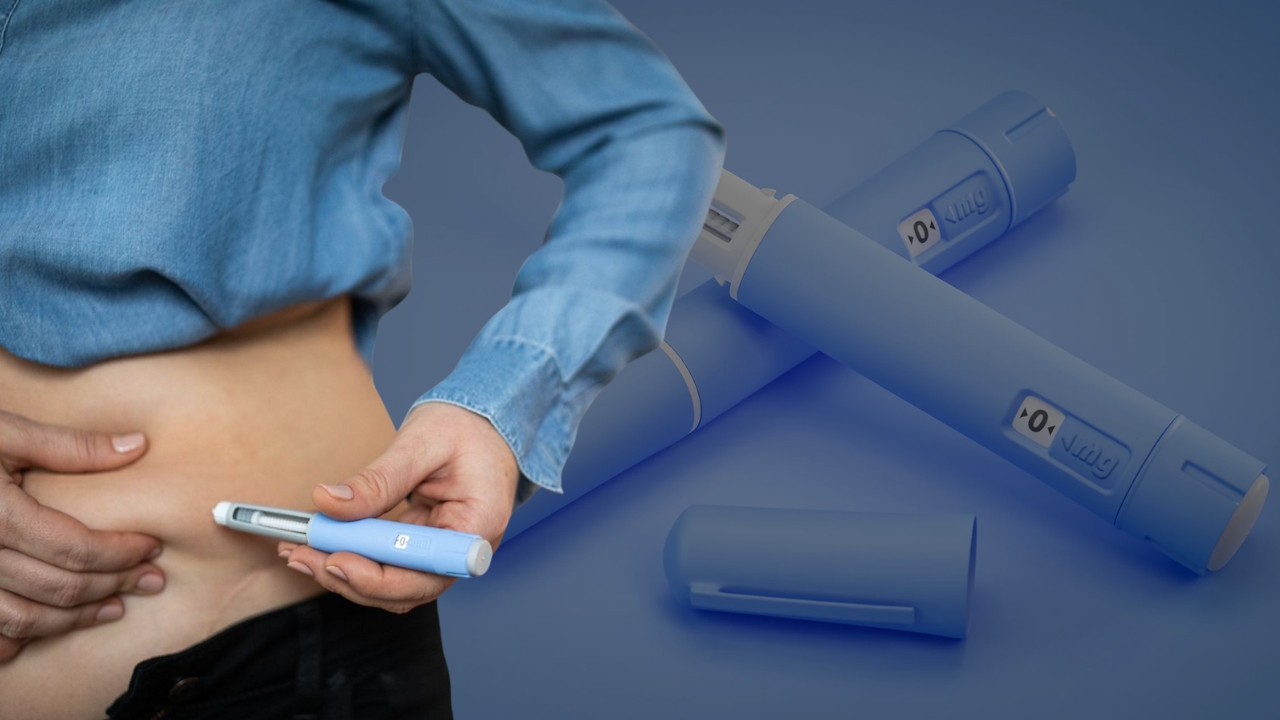
Based on the best nationally representative data available today, about 15% of adult women in the United States are currently using a GLP-1 medication, according to KFF.
When translated into population terms, that equals roughly 19 million American women taking drugs like semaglutide or tirzepatide for weight loss, diabetes, or other metabolic conditions. That figure alone signals a major shift in how women are managing weight and metabolic health.
However, it only makes sense when you understand who these women are, why they are using GLP-1s, how the numbers were measured, and why estimates vary depending on the data source. This article breaks all of that down in detail.
What Counts As “Using GLP-1 Medications”?
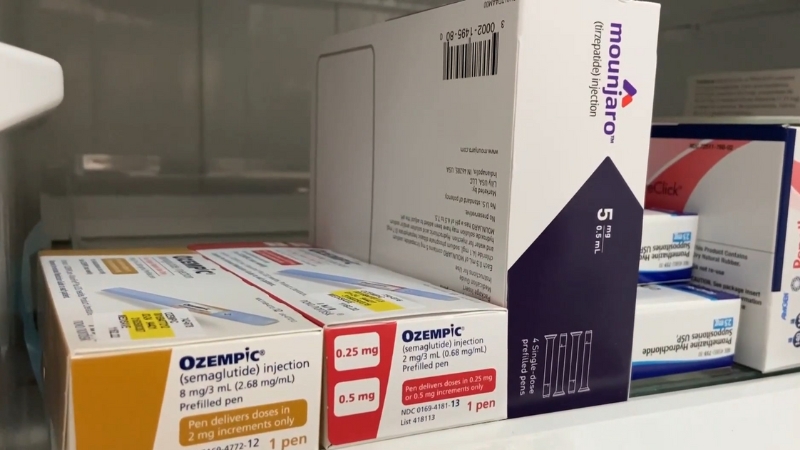
Before diving deeper into the numbers, it matters how “use” is defined. GLP-1 medications include drugs such as Ozempic, Wegovy, Mounjaro, and Zepbound.
Some women take them for type 2 diabetes, others for weight loss, and some for both. Data sources also differ in whether they count:
- Current users or anyone who has ever used a GLP-1
- Injectable GLP-1s only or both injectable and oral versions
- People with diagnosed diabetes or the general adult population
Due to that, there is no single perfect number. The 15% estimate is the most reliable current-use figure specifically broken out for women.
The Strongest National Estimate for Women
Nearly 12% of Americans have used GLP-1 drugs—such as Ozempic—for weight loss. 14% say they’re interested in them.
New findings from the largest and most recent survey on Americans’ use of a new class of weight loss drugs. 🧵 pic.twitter.com/TdULLYwzXB
— RAND (@RANDCorporation) August 6, 2025
Large national surveys asking adults directly whether they are taking GLP-1 drugs show that women are more likely than men to be current users. Among U.S. adults:
- About 12% of all adults say they are currently taking a GLP-1 drug.
- Among women alone, that number rises to 15%.
Using U.S. population estimates for adult women, this places the number of current female GLP-1 users at approximately 19 million.
Estimated Current GLP-1 Use Among American Women
| Metric | Estimate |
| Adult women in the U.S. | ~129 million |
| Percent currently using GLP-1s | ~15% |
| Estimated number of women using GLP-1s | ~19 million |
This estimate includes all reasons for use, not just weight loss.
Why Do Women Make Up Such a Large Share of GLP-1 Users?
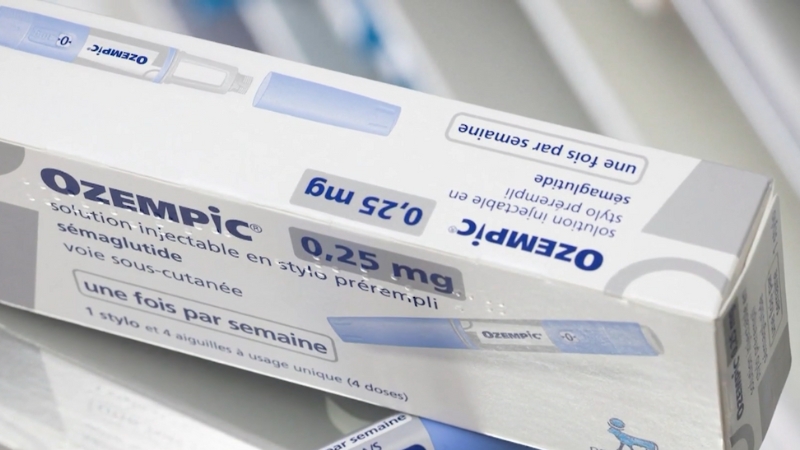
The gender difference is not accidental. Several overlapping factors help explain why GLP-1 use is especially common among women.
Women are more likely than men to seek medical care for weight-related concerns, to discuss body-weight changes with clinicians, and to pursue pharmacological options when lifestyle interventions fail.
Middle-aged women, in particular, experience metabolic changes related to hormonal shifts, menopause, and insulin sensitivity, which often coincide with weight gain that proves resistant to diet and exercise alone.
GLP-1 drugs directly target appetite regulation and insulin signaling, which makes them especially attractive in this life stage.
Age Matters More Than Gender Alone
When GLP-1 use is broken down by age, a clear concentration emerges among women aged 50 to 64.
In that group, about one in five women report having used a GLP-1 medication at some point, making it the highest-use female age bracket in the country.
GLP-1 Use Trends Among Women by Age
| Age group | Approximate use pattern |
| 18 to 29 | Low but rising |
| 30 to 49 | Moderate, increasing rapidly |
| 50 to 64 | Highest usage (~20% ever used) |
| 65+ | Lower than 50 to 64, often diabetes-focused |
This pattern reflects a convergence of medical need, financial access, and physician prescribing behavior.
Weight Loss Versus Diabetes Use Among Women
View this post on Instagram
One of the biggest sources of confusion around GLP-1 statistics from the CDC is why people are taking them. Some datasets focus strictly on diabetes. Others include anyone using GLP-1s for weight loss.
Among Americans overall, roughly 12% report having used GLP-1 medications specifically for weight loss. Women make up a disproportionate share of this group. By contrast, among adults with diagnosed diabetes:
- About 26% to 27% use injectable GLP-1 medications.
- Women and men use them at similar rates within the diabetes population.
GLP-1 Use by Indication
| Use case | Women’s role |
| Weight loss | Women are the majority |
| Diabetes treatment | Women and meare n roughly equal |
| Combined metabolic use | Women slightly higher |
This means that gender differences appear strongest in weight-loss-driven use, not diabetes care. As GLP-1 use has expanded among women, questions have emerged about potential physiological effects beyond weight and blood glucose control. One commonly raised topic is whether GLP-1 medications influence menstrual cycles.
Mechanistically, GLP-1 receptor agonists do not directly act on reproductive hormones such as estrogen or progesterone.
However, changes in body weight, energy intake, and metabolic signaling can indirectly affect menstrual regularity, particularly when weight loss is rapid or substantial.
Clinical discussions of this issue generally focus on indirect pathways rather than direct endocrine effects.
An example of a non-clinical explanatory reference addressing this topic is the article published by TryShed, which outlines how semaglutide’s mechanism of action differs from hormonal regulation of the menstrual cycle and why weight change itself may be a contributing factor rather than the drug acting directly on reproductive hormones.
Why Claims Data Show Lower Percentages
Insurance claims databases often show much lower GLP-1 usage rates than surveys. For example, claims-based analyses suggest that only 2% to 3% of adults with obesity diagnoses receive GLP-1 prescriptions.
This does not contradict survey findings; it reflects structural limitations. Claims data only capture people who:
- Have an obesity diagnosis coded
- Use insurance coverage
- Receive reimbursed prescriptions
Many women pay out of pocket, use telehealth services, or obtain prescriptions without an obesity diagnosis formally recorded. Those users appear in surveys but not in claims datasets.
How Fast GLP-1 Use Among Women Has Grown
Even conservative estimates show explosive growth. Between 2019 and 2024:
- GLP-1 prescribing for weight-related conditions increased several-fold.
- Female uptake accelerated faster than male uptake.
- Middle-aged women drove the steepest growth curve.
This growth has continued into 2025 and 2026, fueled by broader FDA approvals, expanded telehealth access, and cultural normalization of medical weight loss.
What the Numbers Really Mean
Saying that about 19 million American women are currently using GLP-1 medications does not mean all women are taking them casually or without medical need. It reflects:
- A large population is struggling with metabolic health
- Increased acceptance of pharmacological tools
- Shifts in how obesity and weight management are medically framed
GLP-1 use among women is not a niche trend. It is a mainstream medical phenomenon that now affects a sizable portion of the adult female population.
Endnote
@nbcnewsThe World Health Organization is now recommending GLP-1 drugs as a tool to manage obesity in adults, alongside healthy dieting and physical activity. This marks a shift in the way the U.N. agency has historically framed obesity treatment.♬ original sound – nbcnews
Roughly 15% of adult American women, or about 19 million individuals, are currently using GLP-1 medications. Usage is highest among women aged 50 to 64, driven largely by weight-loss and metabolic concerns rather than diabetes alone.
While exact counts vary by data source, every credible dataset points to the same conclusion: GLP-1 medications have become a major part of women’s healthcare in the United States.