
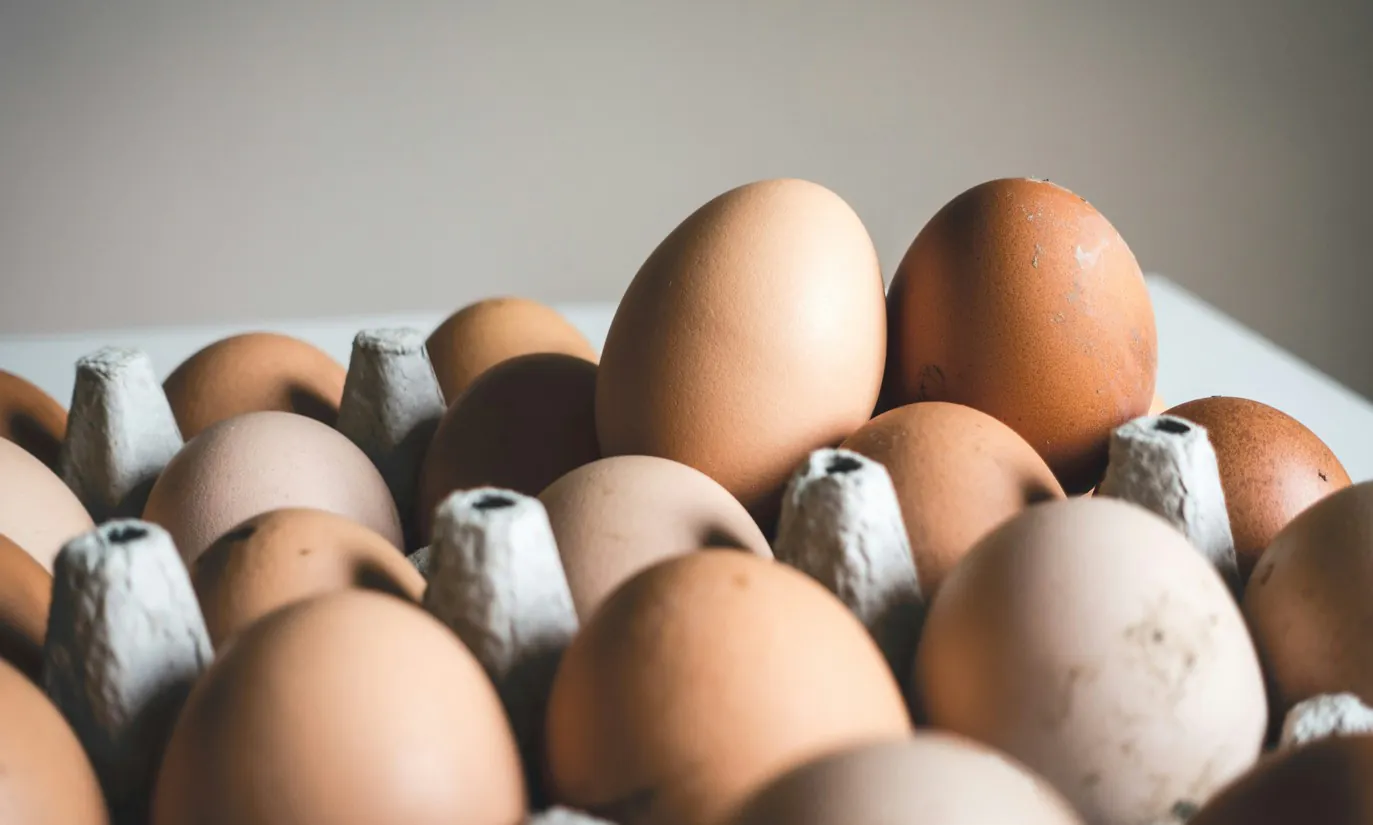
Nearly 19.1 million eggs sold across six states are being recalled because they may contain Salmonella Enteritidis, a bacterium that can cause serious foodborne illness.
Midwest Poultry Services recalled 1,589,577 dozen white and brown cage-free eggs produced at two farms in Texas, according to the recall announcement published by the Food and Drug Administration.
The total equals 19,074,924 eggs.
The eggs were sold under Kroger, Simple Truth, Brookshire’s, Country Morning and Sunups labels. Bulk eggs supplied to restaurants and other food-service customers are also included.
No illnesses had been connected to the recalled products when the announcement was issued on July 22. The company stopped distributing fresh eggs from its Texas farms after environmental monitoring identified a possible contamination problem.
Table of Contents
ToggleHow to Recognize That You Might Bought Eggs From This Batch?
Finding one of the listed brand names in the refrigerator does not automatically mean the carton is recalled. Shoppers need to check the codes printed in ink on the left or right side of the package.
The recalled cartons carry:
- Plant code: P-1950 or 840962
- Julian date: Any number from 157 through 184
- Sell-by or best-by date: July 20 through August 17, 2026
Some cartons display the second plant code as 0840962. The leading zero may be present depending on how the information was printed.
| Brand | Affected products |
|---|---|
| Kroger | Medium, large, extra-large and jumbo white eggs in packages ranging from 12 to 60 eggs |
| Simple Truth | Cage-free medium and large brown eggs in 12-, 18- and 24-count cartons |
| Brookshire’s | Large, extra-large and jumbo eggs in packages ranging from 6 to 60 eggs |
| Country Morning | Medium, large, extra-large and jumbo eggs in 12-, 18- and 30-count packages |
| Sunups | Medium eggs sold in 30-count packages |
| Bulk eggs | Grade A and Grade AA eggs supplied in cases to food-service businesses |
The FDA page contains the complete list of package sizes, UPC numbers and photographs of the recalled cartons. Checking the plant and Julian date is especially important because unaffected eggs may be sold under the same brands.
Where the Recalled Eggs Were Sold?
The affected eggs were produced and distributed between June 6 and July 3. Kroger stores received them in Texas and Louisiana, while Brookshire Grocery stores sold them in Texas, Oklahoma, Arkansas, Louisiana, New Mexico and Mississippi. Smaller retailers may also have carried the products.
Food-service deliveries went to customers in Texas, Oklahoma and Louisiana. Restaurants, cafeterias and other commercial kitchens that purchased bulk eggs should check their cases against the same plant and date codes.
Midwest Poultry Services said no other products from the company are covered by the recall. The company has diverted eggs to a processing facility where pasteurization can kill foodborne pathogens while it investigates the source of the problem, according to Fox Business.
What to Do with A Recalled Carton?
Anyone with a matching carton should avoid eating the eggs, even if they look and smell normal. Return the package to the store for a full refund or dispose of it where children and animals cannot reach it.
Wash hands after handling the carton and clean any refrigerator shelves, containers or kitchen surfaces that came into contact with the eggs.
The Centers for Disease Control and Prevention recommends cleaning, separating, cooking and chilling food properly to limit the spread of Salmonella and other harmful bacteria.
Customers can contact Midwest Poultry Services at 574-405-9531 from 8 a.m. to 4:30 p.m. Eastern Time, Monday through Friday, or email recallassistance@mpseggs.com.
Salmonella Symptoms Can Take Several Days to Appear
Common symptoms include diarrhea, fever, stomach cramps, nausea, vomiting and loss of appetite. According to the CDC’s guidance on Salmonella symptoms, illness usually begins six hours to six days after exposure and generally lasts four to seven days.
Medical advice is recommended when vomiting or diarrhea continues for more than two days, stools contain blood, fever rises above 102 degrees Fahrenheit or signs of dehydration appear. Young children, adults over 65 and people with weakened immune systems face a higher risk of severe illness.
Similar Salmonella concerns have led to other food recalls in recent months. One of the most recent cases, which we covered earlier, involved Blackstone Parmesan Ranch seasoning sold at Walmart. Although the products and companies are unrelated, both recalls underline the importance of checking lot numbers, package codes, and expiration dates before using a recalled item.
Related Posts:
- Mangoes Sold at Walmart Recalled Over Salmonella…
- Walmart Blackstone Parmesan Ranch Seasoning Recalled…
- Nearly 30,000 Pounds of Beef From Argentina Recalled…
- Nearly 4 Million Babies Were Born in the United…
- Halloween Chocolate Eyeballs Recalled in 13 States…
- Nearly 2 in 3 Women Over 50 Are Struggling Mentally,…