

Health officials are tracking a rise in cyclosporiasis cases in the United States, with the clearest warning now coming from Michigan, where state officials say hundreds of people have been sickened.
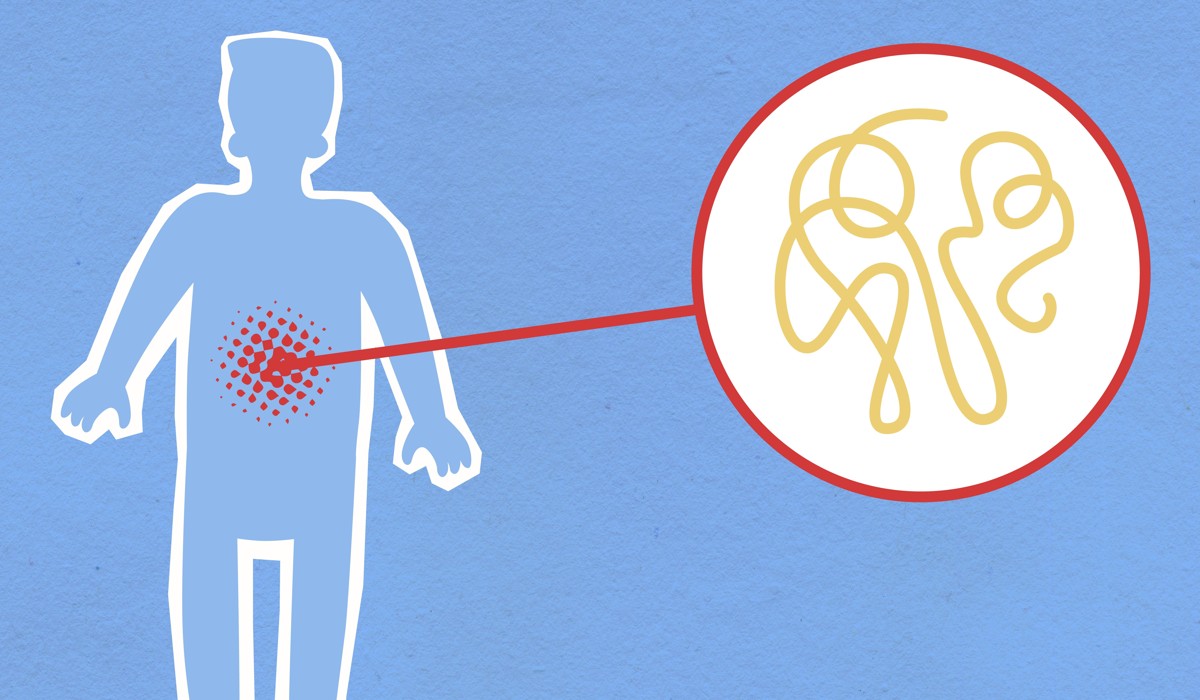
Cyclosporiasis is an intestinal illness caused by the microscopic parasite Cyclospora cayetanensis. It is usually linked to contaminated food or water, especially fresh produce eaten raw.
The illness is unpleasant and can last a long time without treatment. It is not usually life-threatening, but it can become serious when diarrhea causes dehydration, especially in young children, older adults and people with weakened immune systems.
People should be alert, but not panicked. The parasite does not usually spread directly from one person to another. The bigger concern is contaminated produce, delayed diagnosis and severe diarrhea that lasts longer than a normal stomach bug.
Latest Update: Lettuce from Taylor Farms, served in Taco Bell restaurants, is now linked to Cyclospora outbreak.
Latest Cases in the US
The CDC said it had received reports of 145 domestically acquired cyclosporiasis cases in people who became sick from May 1 through June 16, 2026. Those cases were reported from 17 states. CDC also reported 20 hospitalizations and no deaths in that national count.
There was no evidence at that point of one single multistate outbreak linking all cases. Instead, federal, state and local health officials were investigating several groups of cases and possible food sources.
The situation changed quickly in Michigan. The Michigan Department of Health and Human Services said cases had risen to 572 reported cases as of July 4, up from 170 cases on June 30. The largest increase has been in Southeast Michigan, and no specific grower, supplier or produce type had been identified as the source.
That explains why readers may see different numbers in different reports. CDC’s national surveillance page reflects a specific national reporting window. State updates can move faster when local outbreaks grow after that window.
Michigan normally identifies around 50 cyclosporiasis cases in a year. State officials said more than 170 cases had already been reported across several counties in just nine days by June 30.
By July 4, the reported number had climbed to 572. The highest case counts were in Monroe, Lenawee, Washtenaw, Wayne, Shiawassee, Jackson, Oakland and Livingston counties.
What is Cyclosporiasis?
Cyclosporiasis is an infection of the small intestine. It is caused by the parasite Cyclospora cayetanensis.
The parasite is too small to see without a microscope. People become infected after swallowing food or water contaminated with the parasite.
Fresh produce is often the concern because it may be eaten raw. Past U.S. and Canadian outbreaks have been linked to foods such as bagged salad mixes, fresh cilantro, fresh basil, raspberries, snow peas and green onions, according to Michigan health officials.
The FDA says Cyclospora outbreaks have been associated with fresh fruits and vegetables in the United States and around the world. The agency also notes that chlorine and other common antimicrobial treatments are not effective against Cyclospora.
The parasite spreads when food or water is contaminated with feces from an infected person. That does not mean a sick person usually infects someone else directly.
Cyclospora has to spend time in the environment before it becomes infectious. The FDA explains that the parasite may need one to two weeks in the environment before it can infect another person.
That is why the illness is different from some stomach viruses that can spread quickly from one person to another inside a household.
- Cyclosporiasis is usually linked to contaminated food or water.
- Fresh produce eaten raw is a common concern in outbreaks.
- Direct person-to-person spread is unlikely.
- The source is not always found quickly.
- Routine washing can reduce risk, but it may not remove every parasite.
Symptoms To Watch For
Symptoms usually begin about one week after exposure, but CDC says they can start as soon as two days or as late as two weeks or more after a person consumes contaminated food or water.
The main symptom is watery diarrhea. It can be frequent and severe. Some health officials describe it as explosive diarrhea because episodes can be sudden and repeated.
Other symptoms can include loss of appetite, weight loss, cramping, bloating, gas, nausea and fatigue. Less common symptoms include vomiting, body aches, headache, low-grade fever and other flu-like symptoms.
| Symptom | Why It Matters |
| Watery diarrhea | The most common symptom and the main reason dehydration becomes a concern. |
| Cramping and bloating | Can make the illness feel like food poisoning or a stomach virus at first. |
| Nausea and appetite loss | Can make it harder to replace fluids and calories. |
| Fatigue | Can continue even after stomach symptoms improve. |
| Weight loss | Can occur when diarrhea and appetite loss last for days or weeks. |
| Low-grade fever | Can happen, but fever is not always present. |
CDC says symptoms can last from a few days to a month or longer without treatment. Symptoms can also seem to improve and then return.
When To Call A Doctor?
People should contact a healthcare provider if they have sudden, ongoing watery diarrhea, especially if they live in or recently visited an area with known cases.
A doctor may need to order a specific stool test for Cyclospora. That matters because the parasite may not be detected on every routine stool test unless the clinician asks for the right testing.
People should seek care sooner if they have signs of dehydration, severe weakness, dizziness, very little urination, persistent vomiting, blood in stool, high fever or symptoms that continue for several days.
Readers can also review our guide to symptoms that often lead to ER visits, because severe dehydration and serious gastrointestinal illness can need urgent care.
How Cyclosporiasis Is Treated?
Most healthy people eventually recover, but the illness can last longer without treatment.
CDC says the treatment of choice is trimethoprim-sulfamethoxazole, also known as TMP-SMX. It is sold under names such as Bactrim, Septra or Cotrim.
People should not self-treat with leftover antibiotics. Some antibiotics commonly used for other stomach infections may not work well against Cyclospora. A healthcare provider should decide on testing and treatment.
Hydration is also important. Diarrhea can remove fluid and salts from the body quickly, especially in children, older adults and people already dealing with chronic illness.
Should People Be Worried?
People should take the outbreak seriously, but there is no reason for general panic.
Cyclosporiasis is not usually fatal. CDC reported no deaths in its 2026 national surveillance count through June 16. Michigan also described the illness as not usually life-threatening, but warned that dehydration can cause severe illness in younger people, older people and those with weakened immune systems.
The bigger concern is practical. People may dismiss the illness as a normal stomach bug, wait too long to call a doctor, or never get tested for Cyclospora. That can let symptoms continue for weeks.
The illness also matters because foodborne outbreaks can be hard to trace. People may eat the contaminated item days before symptoms begin. They may not remember every salad, herb, berry or restaurant meal they had during the exposure window.
Who Should Be More Careful?
Anyone can get cyclosporiasis, but some people should be more cautious because dehydration and prolonged illness can hit them harder.
- Young children
- Older adults
- Pregnant people
- People with weakened immune systems
- People with chronic kidney disease or other serious health problems
- People who cannot keep fluids down
- Food handlers who develop gastrointestinal symptoms
Food handlers should take symptoms seriously because contaminated food preparation can expose more people. Michigan health officials specifically urged restaurants and commercial kitchens in Southeast Michigan to take stronger fresh-produce precautions as the outbreak grows.
CDC’s prevention guidance recommends washing hands with soap and water before and after handling raw fruits and vegetables. Fruits and vegetables should be washed under running water before eating, cutting or cooking. Firm produce such as melons and cucumbers can be scrubbed with a clean produce brush.
Damaged or bruised areas should be cut away before preparation. Cut, peeled or cooked fruits and vegetables should be refrigerated within two hours.
Produce labeled prewashed does not need to be washed again at home, according to CDC. Rewashing prewashed produce can sometimes add new contamination from sinks, hands or cutting boards.
Foodborne investigations are difficult when the suspected food is fresh produce. The product may have already been eaten. It may have been mixed with other ingredients. It may have moved through several distributors, restaurants or stores before anyone got sick.
The FDA says its active outbreak table includes Cyclospora investigations tied to products that had not yet been identified. As of its latest active investigation update, FDA had initiated sampling for Cyclospora investigations involving not-yet-identified products.
That does not mean investigators are doing nothing. It means they are still trying to connect illness reports, food histories, suppliers, lab results and product testing.
Public health surveillance is built for that kind of work. Our explainer on how national health data is measured shows why careful reporting and testing matter when health patterns are changing.
What Not To Assume?
People should not assume every salad or berry is unsafe. Health officials have not named one product, one farm, one restaurant chain or one supplier as the source of all current U.S. cases.
People also should not assume diarrhea is cyclosporiasis. Many viruses, bacteria and parasites can cause gastrointestinal illness.
The more useful response is to watch for persistent watery diarrhea, take dehydration seriously and ask about Cyclospora testing if symptoms match and cases are being reported nearby.
What Health Officials Are Still Trying To Find Out?
Investigators are looking for possible common food sources, especially fresh produce. They are also trying to determine if cases are connected through restaurants, distributors, retail locations or specific product shipments.
CDC said its 2026 count includes several case groups under investigation and other cases not linked to a common source. Michigan health officials said no specific produce grower, supplier or produce type had been identified in the state outbreak as of July 4.
That leaves three important questions open:
- Is one food item behind a large share of current cases?
- Are there several separate produce-related outbreaks happening at the same time?
- Will a specific product warning or recall be needed?
If investigators identify a specific food that people should avoid, FDA or public health officials would normally issue more direct consumer advice.
Anyone with ongoing watery diarrhea should contact a healthcare provider and mention possible Cyclospora exposure, especially in areas with reported cases. For now, the practical advice is simple: handle fresh produce carefully, stay hydrated if symptoms begin, and do not wait too long to seek care if diarrhea is severe or does not improve.
Related Posts:
- New York Health Officials Investigate Legionnaires…
- What Is a Normal Blood Pressure by Age? When Should…
- 15% of People Live Near Coasts – And the Number Keeps Rising
- Latest On Ebola Cases In Congo - Over 1,000 Cases,…
- US Cyber Command Lost Five People to Suicide in One…
- Rising Dementia Risk and Its Burden on the United…